The Independent's journalism is supported by our readers. If you submit a form or click links to other sites on this page, we will earn commission.
- Home improvement
- Windows
Persistent window condensation is one of the most common winter issues in UK homes. Here’s why it happens, what it means for your windows, and how to get rid of it
Jeff MeyerEnergy WriterWednesday 26 November 2025 19:13 GMTComments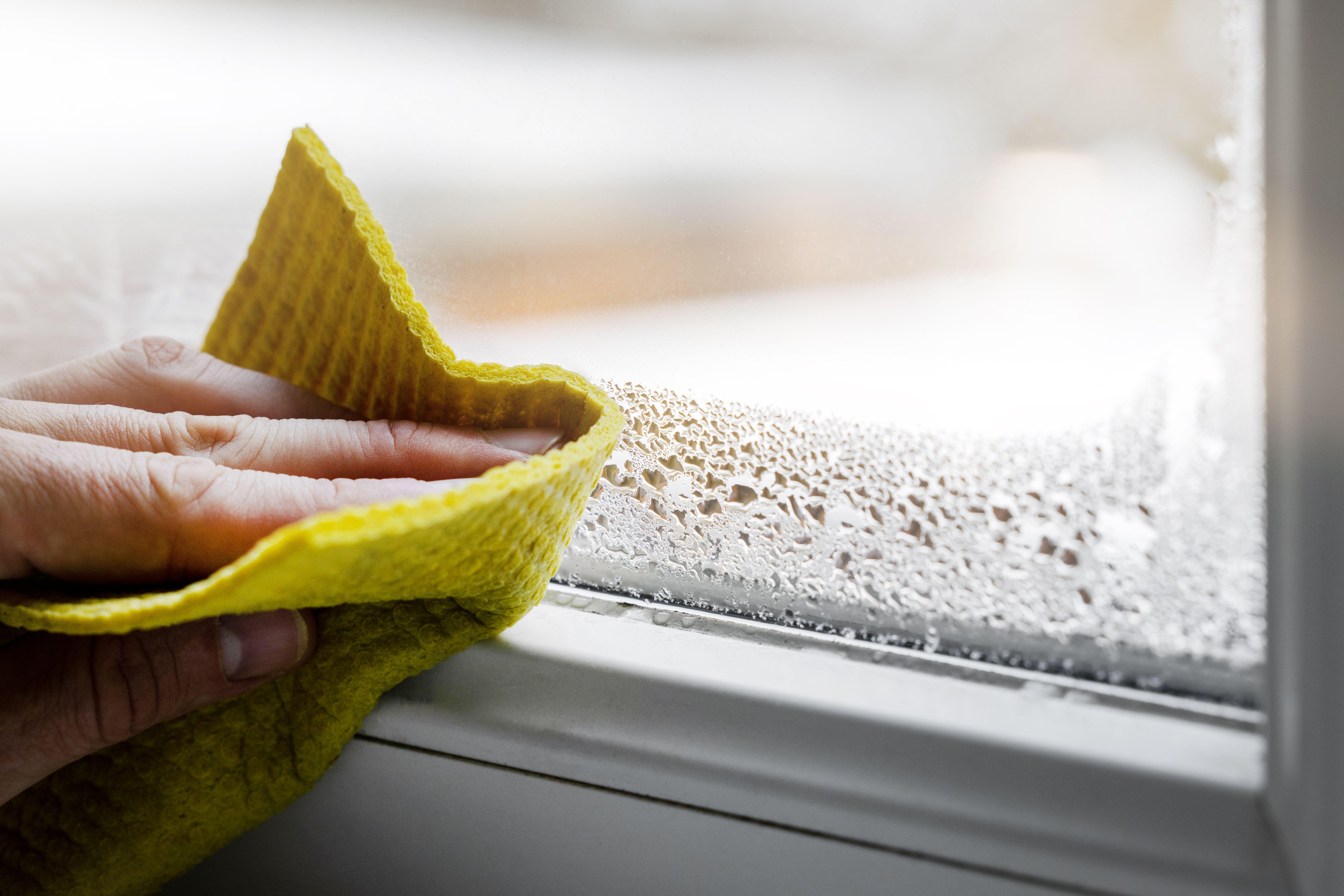 (Alamy/PA) (Condensation on your windows can be a result of cold weather, but can also be a sign that it's time to replace you windows.)
A UK cold spell almost always triggers the same question for homeowners: why are my windows suddenly dripping with water? As temperatures drop outside and heating ramps up inside, warm, humid indoor air meets a cold windowpane, and the result is condensation. While a small amount of moisture isn’t unusual on frosty mornings, persistent condensation can be a nuisance, damage frames, and increase the risk of mould.
This guide explains why winter makes condensation worse, what it means for your windows, and the most effective ways to clear and prevent it.
Get a quote for double glazing on your home
Use our comparison tool to get a range of free quotes from leading UK window installers.
What is window condensation, and why does it happen in winter?
Condensation forms when warm, moist air comes into contact with a cold surface. The moisture in the air condenses into liquid water, forming droplets on the inside of your windows.
Cold spells make the problem worse. Windows lose heat quickly, indoor heating boosts humidity levels, and most people keep their homes tightly shut to stay warm. Everyday activities, such as showering, cooking, boiling a kettle, drying laundry indoors, and even breathing, add litres of moisture to the air.
When your windows are the coldest point in the room, that moisture has to settle somewhere.
Is condensation bad for your windows?
A small amount of morning condensation is fairly normal, especially in older homes or rooms with high humidity. But persistent moisture can cause problems:
- Timber frames can absorb water, leading to swelling, paint peeling, and long-term rot
- Mould can grow on window sills, surrounding plaster, and behind curtains or blinds
- Excess damp can create an uncomfortable, unhealthy indoor environment
There’s also condensation that suggests a deeper issue: moisture trapped between double-glazed panes. This usually indicates a failed seal, meaning the insulating gas has escaped. In that case, the affected sealed unit will need to be replaced.
Recommended How much does double glazing windows cost? Average price for a three-bed house
 The best double glazing window companies and installers for UK homes in 2025
 How much do new windows cost for UK homes? A 2025 guide to double glazing uPVC prices
 Are heat pumps worth it? The Independent’s guide
Types of condensation and what they tell you
Not all condensation is the same, and understanding the type you’re dealing with can help you pinpoint the cause and choose the right fix. Some forms are harmless and simply reflect how modern glazing works, while others can be a sign that part of your window system is failing. Here’s how to tell the difference.
Condensation on the inside of your windows
This is the most common type and is almost always caused by excess indoor humidity. It’s generally fixable with better ventilation and small lifestyle changes.
Condensation on the outside of your windows
This appears on modern, energy-efficient double or triple glazing during cold, clear mornings. It’s a sign the window is retaining indoor heat effectively, and it usually clears on its own.
Condensation between the panes
If you spot misting inside the sealed unit, the double glazing has likely failed. The only solution is to replace the affected unit, as the seal can’t be repaired.
Quick fixes: How to get rid of condensation fast
Before diving into specific techniques, it helps to understand that the following quick fixes for window condensation are all about removing moisture that has already built up and preventing new moisture from settling on your windows. These steps won’t resolve underlying humidity issues on their own, but they can make an immediate difference, especially during a cold spell.
- Wipe your windows each morning: use a microfibre cloth or window vacuum to remove moisture quickly before it can soak into the frame.
- Open windows for short bursts: a few minutes of shock ventilation replaces humid indoor air with drier outside air.
- Use extractor fans properly: run bathroom and kitchen fans during and after showers or cooking, ideally for 15–20 minutes.
- Keep internal doors closed: this prevents humid air from spreading into colder rooms where it will condense faster.
- Allow airflow around furniture: moving large furniture slightly away from external walls helps prevent cold spots where moisture can settle.
Longer-term solutions to stop condensation returning
While quick fixes deal with the symptoms, longer-term solutions tackle the root causes: excess humidity, cold surfaces and poor airflow. These changes are more effective at preventing condensation permanently and can significantly improve comfort, indoor air quality and the lifespan of your windows.
Improve ventilation
Keeping trickle vents open, even in winter, allows a steady flow of fresh air without creating noticeable draughts. Many homeowners close them to keep the warmth in, but this often traps humid air inside. Improving airflow can also mean opening windows for short periods throughout the day or considering a whole-home system such as positive input ventilation (PIV), which gently pushes fresh, filtered air into the property to reduce moisture buildup.
Reduce indoor humidity
Reducing the amount of moisture produced inside your home is one of the most effective long-term strategies. Avoid drying clothes indoors where possible, or make sure the room is well ventilated if you need to. A dehumidifier can also help manage humidity levels, particularly in bedrooms, kitchens and utility spaces where moisture builds quickly. Keeping your home at a consistent temperature prevents cold surfaces from forming, giving moisture fewer places to settle.
Upgrade your glazing
Older single-glazed windows are prone to condensation because the internal pane becomes very cold. A-rated double glazing keeps the inner pane warmer, reducing condensation. If you already have double glazing but notice misting between panes, replacing the sealed unit is the most effective fix.
Improve insulation and airflow
Well-insulated homes maintain a more stable temperature, reducing cold surfaces where moisture can settle. But it’s important to combine insulation with adequate ventilation to prevent humidity from being trapped indoors.
When condensation indicates a bigger issue
If you notice black mould around window frames, damp patches on walls, or a persistent musty smell, condensation may be part of a wider problem rather than a simple winter nuisance. While everyday condensation is caused by excess indoor humidity, more serious issues can stem from structural faults that allow moisture to enter or remain trapped in your home.
Long-term damp may be caused by leaking guttering, cracked render, poorly sealed window frames or damaged pointing that allows rainwater to penetrate exterior walls. Older properties with solid walls or inadequate ventilation are particularly vulnerable, as moisture has fewer ways to escape. In these cases, simply ventilating more may not solve the underlying problem.
It’s also worth distinguishing surface condensation from rising or penetrating damp. Rising damp usually appears as a tide mark low on internal walls, while penetrating damp shows as isolated patches that worsen after rain. If you’re unsure, a qualified surveyor or damp specialist can assess the source of the problem and recommend the right treatment.
Persistent mould growth, especially if it returns after cleaning, is a sign you may need professional advice. Mould can affect indoor air quality, and in severe cases, certain structural elements may need to be repaired or replaced.
QShould I worry about condensation on my windows?
Occasional morning condensation is normal, but persistent moisture can damage frames and encourage mould. If it’s happening daily, it’s worth tackling humidity and ventilation.QIs condensation worse with double glazing?
Double glazing reduces heat loss but can sometimes make condensation more noticeable on the inside because the inner pane stays warmer while other surfaces remain cool. However, condensation between the panes indicates failed seals.QDo dehumidifiers help with window condensation?
Yes. Dehumidifiers reduce indoor moisture levels and are especially effective in bedrooms, kitchens, and rooms where laundry is dried.QWhy do my windows only mist up in the morning?
Humidity rises overnight as you breathe, and cooler temperatures lower the dew point. When warm, moisture-rich air meets the cold morning window, it condenses.QWhat’s the best temperature to reduce condensation?
Keeping your home between 18C and 21C helps reduce cold surfaces and minimise condensation, especially when combined with proper ventilation.More about
HomeownersHeatingJoin our commenting forum
Join thought-provoking conversations, follow other Independent readers and see their replies
Comments