- Pro
New radar tech promises advanced monitoring
When you purchase through links on our site, we may earn an affiliate commission. Here’s how it works.
 (Image credit: Vodafone)
- Copy link
- X
- Threads
Sign up for breaking news, reviews, opinion, top tech deals, and more.
Contact me with news and offers from other Future brands Receive email from us on behalf of our trusted partners or sponsors By submitting your information you agree to the Terms & Conditions and Privacy Policy and are aged 16 or over.You are now subscribed
Your newsletter sign-up was successful
An account already exists for this email address, please log in. Subscribe to our newsletter- ISAC allows smartphones to detect unconnected objects without interfering with connectivity services
- Echo-based pulses let mobile networks visualize their surroundings, like bats in the dark
- ISAC trials successfully detected people and objects without disrupting mobile functions
Integrated Sensing and Communication, or ISAC, is a technology which converts ordinary smartphones into radar-like sensors capable of detecting unconnected objects in real time.
Vodafone and Tiami Networks are testing ISAC to explore how smartphones could warn people about nearby dangers.
The pair are also examining its potential to monitor crowded areas, detect intruders, and support tasks in industrial and environmental settings.
You may like-
 What CES 2026 didn’t show: The quiet crisis in wireless capacity nobody is talking about
-
 The Galaxy S26 series gets satellite connectivity – but there could be delays
-
 Beyond cracked screens: how device protection can evolve to cover our digital lives
Vodafone and Tiami test ISAC
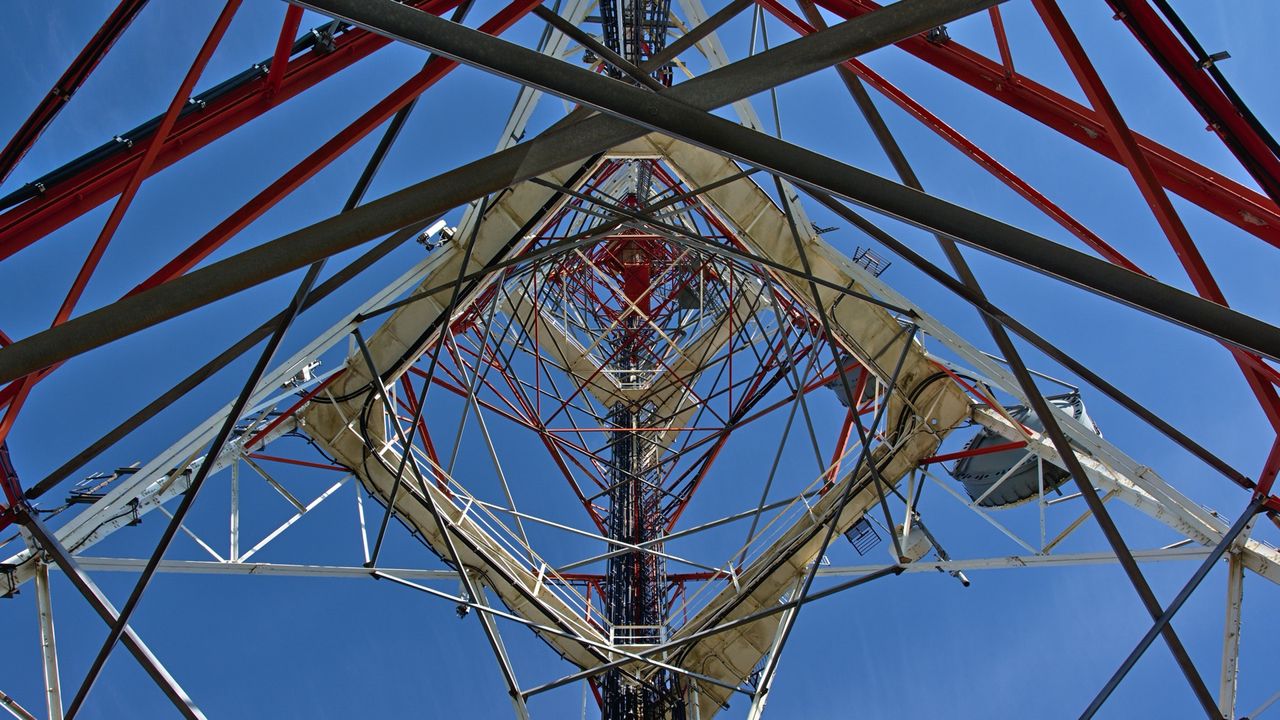
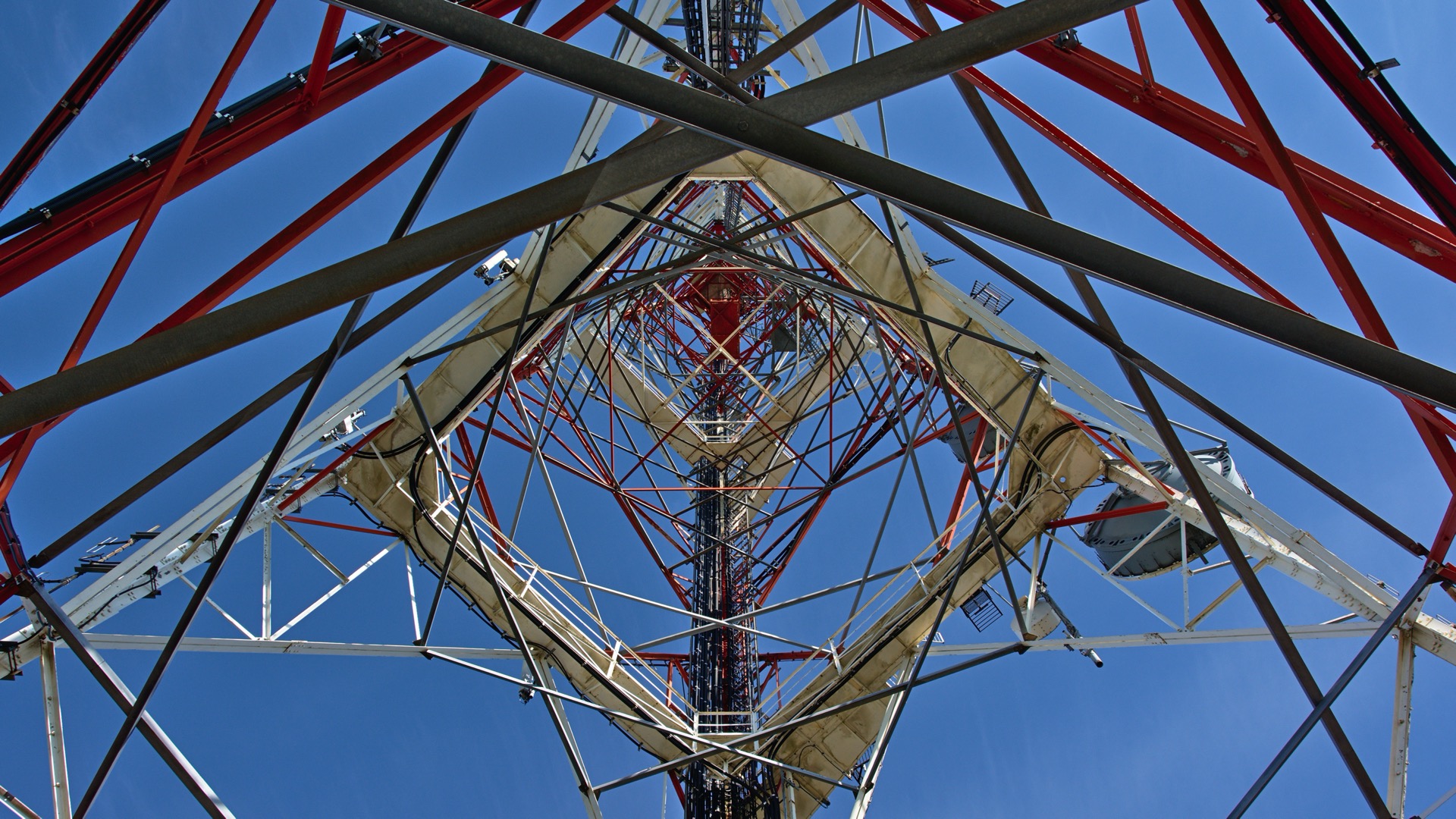
The new system relies on echo-based pulses, similar to the echolocation bats use to navigate dark environments, allowing mobile networks to visualize their surroundings without additional hardware.
Users could theoretically receive alerts about crowded spaces, nearby hazards, or other dangerous situations simply through their devices, and industries and public facilities could monitor intruders, unauthorized drones, or environmental risks.
ISAC could track natural disasters and monitor livestock, offering real-time insights in areas that are hard to observe directly, and could also create 3D maps using smart glasses, detect contaminated food, and assist robots in understanding human hand gestures.
Although ISAC is expected to play a central role in future 6G networks, which may begin operating around 2030, the technology can function over existing 5G infrastructure.
Are you a pro? Subscribe to our newsletterContact me with news and offers from other Future brandsReceive email from us on behalf of our trusted partners or sponsorsBy submitting your information you agree to the Terms & Conditions and Privacy Policy and are aged 16 or over.Vodafone and Tiami Networks conducted trials at Vodafone’s Málaga R&D facility in Spain, employing Tiami’s PolyRAN software to turn base stations into wide-area sensors.
“Our vision for PolyRAN is simple. Deploying ISAC should be as seamless as enabling a software application within a 5G network without disrupting existing connectivity services," said Amitav Mukherjee, CEO and Founder of Tiami Networks.
"Testing with Vodafone allows us to evaluate realistic performance and deployment pathways with a leading operator that is deeply engaged in 6G research.”
You may like-
What CES 2026 didn’t show: The quiet crisis in wireless capacity nobody is talking about
-
The Galaxy S26 series gets satellite connectivity – but there could be delays
-
Beyond cracked screens: how device protection can evolve to cover our digital lives
During these trials, unconnected objects and even people were successfully detected across a live 5G network without causing any interference to voice calls, messaging, or internet usage.
This means ISAC’s adoption does not require a complete network overhaul, making the technology more immediately applicable.
The trials also explored interoperability between different vendors’ hardware and software through Open RAN-compliant antennas.
This flexibility allows mobile networks to integrate new sensing capabilities through software updates rather than expensive equipment replacements.
By transforming base stations into intelligent edge computing platforms, operators can perform advanced environmental sensing alongside traditional connectivity services.
Beyond industrial or urban monitoring, ISAC could influence personal safety and everyday convenience.
Business phones may alert users to hazardous conditions in crowded transport hubs or to hidden maintenance issues, such as burst pipes, within buildings.
“Our 6G-ready test shows that your phone could soon do a lot more than connect you. It could be used to help keep you safe wherever you go,” said Marco Zangani, Director of Network Strategy and Architecture, Vodafone.
The technology could also support privacy-conscious public applications, for example, counting visitors in a shopping mall without relying on cameras.
While the full scope of ISAC remains to be proven, initial trials indicate that turning ordinary smartphones into active environmental sensors is technically feasible.
Follow TechRadar on Google News and add us as a preferred source to get our expert news, reviews, and opinion in your feeds. Make sure to click the Follow button!
And of course you can also follow TechRadar on TikTok for news, reviews, unboxings in video form, and get regular updates from us on WhatsApp too.
 Efosa UdinmwenFreelance Journalist
Efosa has been writing about technology for over 7 years, initially driven by curiosity but now fueled by a strong passion for the field. He holds both a Master's and a PhD in sciences, which provided him with a solid foundation in analytical thinking.
View MoreYou must confirm your public display name before commenting
Please logout and then login again, you will then be prompted to enter your display name.
Logout Read more
What CES 2026 didn’t show: The quiet crisis in wireless capacity nobody is talking about
The Galaxy S26 series gets satellite connectivity – but there could be delays
Beyond cracked screens: how device protection can evolve to cover our digital lives
 Android just got a life-saving upgrade that lets you share live video with emergency rescuers – here's how it works
 The connectivity problem hiding in smart bins and heart monitors
 Your phone's NFC tech is about to get one of its biggest upgrades ever
Latest in Pro
Your phone's NFC tech is about to get one of its biggest upgrades ever
Latest in Pro
 ‘We cannot in good conscience accede to their request’: Anthropic CEO Dario Amodei draws a line in the sand in standoff with US government
 Watch out - that Google Tasks email could be a scam, and land you in hot water at work
 Ransomware payments drop to record low, even as attacks surge
 'We see an opportunity to move faster with smaller, highly talented teams using AI to automate more work': Block decimates workforce in favor of AI
 Trend Micro warns of worrying security flaw allowing full Windows takeover, so patch now
 Microsoft signs up Asus and Dell to join the Cloud PC party - powerful new mini PCs and desktops coming later in 2026
Latest in News
Microsoft signs up Asus and Dell to join the Cloud PC party - powerful new mini PCs and desktops coming later in 2026
Latest in News
 More Apple Studio Display 2 details are rumored, with two models tipped
 Spotify's latest app upgrade is going to appeal to audiobook fans
 The DJI Osmo Pocket 4 just leaked again in a major way
 Less stress, smoother days: Disneyland wants your whole day to feel easier
 Windows 11's new Start menu is proving seriously divisive
 ICYMI: the 7 biggest tech stories of the week
LATEST ARTICLES
ICYMI: the 7 biggest tech stories of the week
LATEST ARTICLES- 1I was wrong about macOS 26 – its design is far worse than I first thought
- 2Arsenal vs Chelsea Live Streams: How to watch Premier League 2025-26 from anywhere in the world
- 3I tested the slim Honor MagicBook Pro 14 (2026) laptop, and let me tell you, it means serious business with a shockingly long battery life for all-day use
- 4'Makes using fresh coffee beans as simple as pods' — the 3 best coffee makers with grinders, recommended by a barista
- 5Why are so many AI assistants female by default — and should we be worried about that?