- News
- UK
- Crime
Peter Cushing’s likeness was featured in a 2016 Star Wars movie despite the actor passing away in 1994
Callum ParkeWednesday 03 December 2025 13:48 GMT
 CloseRogue One: A Star Wars Story - Trailer 3
For free real time breaking news alerts sent straight to your inbox sign up to our breaking news emails
Sign up to our free breaking news emails
Sign up to our free breaking news emails
Email*SIGN UPI would like to be emailed about offers, events and updates from The Independent. Read our Privacy notice
A legal battle over the digital resurrection of actor Peter Cushing in the Star Wars spin-off film Rogue One has reached the Court of Appeal, with film companies arguing the claim should be dismissed.
Tyburn Film Productions is pursuing legal action against Lunak Heavy Industries (UK) Ltd, a Disney-owned entity that produced Rogue One: A Star Wars Story, concerning its use of Cushing’s likeness.
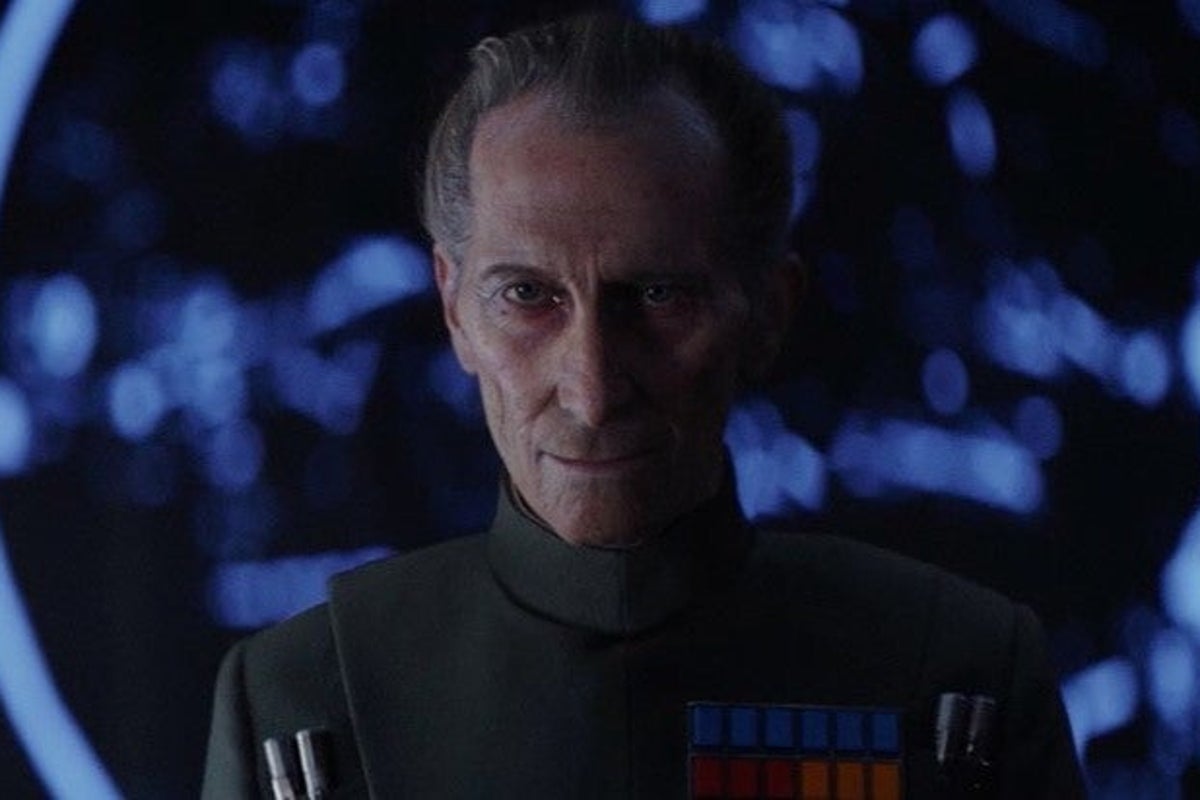
Cushing, renowned for his portrayal of imperial commander Grand Moff Tarkin in 1977’s Star Wars: Episode IV – A New Hope, passed away in 1994. However, his character was brought back to the screen in the 2016 film through advanced special effects, following an agreement between Lunak and the executors of Cushing’s estate in 2016.
Tyburn initiated legal proceedings in 2019 against Lunak and Lucasfilm, the studio behind the original Star Wars saga, alleging "unjust enrichment" from the use of Cushing’s image in Rogue One without their consent.
The company asserts that it entered into a "letter agreement" with Cushing in 1993, which, it claims, prohibited the reproduction of his appearance via special effects without Tyburn’s explicit permission.
Lunak and Lucasfilm contest this claim, having previously informed the High Court that they believed no such permission was required under the terms of Cushing’s original contract for A New Hope.
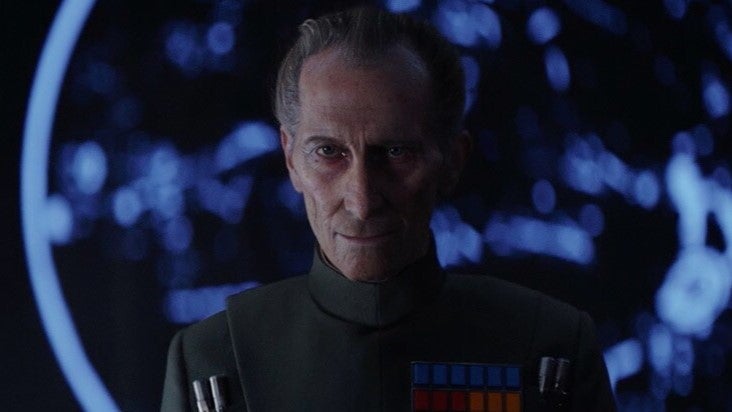 open image in galleryPeter Cushing’s digitally recreated appearance in ‘Rogue One: A Star Wars Story’ (Disney/Lunak Heavy Industries)
Two previous judicial rulings have rejected attempts by Lunak and Lucasfilm to have the case thrown out before a full trial. The companies subsequently escalated the matter to the Court of Appeal on Wednesday.
Edmund Cullen KC, representing the defendant companies, submitted in written arguments that Tyburn’s case was "legally unsustainable" and "beyond any plausible argument".
He stated: "A case such as the present does not involve any enrichment of the appellants at the claimant’s expense."
In court, Mr Cullen elaborated: "(Cushing’s executors) have not given us anything that the claimant had some contractual entitlement to. The claimant was not contractually entitled to the licence we were granted."
Mr Cullen further contended that while both the 1993 and 2016 agreements broadly "concern the right to resurrect Peter Cushing," they were not "co-ordinated."
Rogue One, which garnered two Academy Award nominations, was the highest-grossing production in the UK in 2016, according to the British Film Institute.
Cushing, who died from cancer at 81, was digitally recreated in the film by altering the appearance of actor Guy Henry.
Mr Cullen noted that while Lunak and Lucasfilm "did not believe a licence was needed" to reproduce Cushing’s image, Lunak nonetheless secured an agreement with his estate’s executors, providing "any consents that might be required in return for a substantial payment".
The companies first sought a pre-trial ruling in their favour in 2023, arguing that "the enrichment relied upon by the claimant did not exist". However, Judge Francesca Kaye dismissed this application in December of that year.
Deputy High Court judge Tom Mitcheson KC then rejected an appeal against Judge Kaye’s decision in September last year.
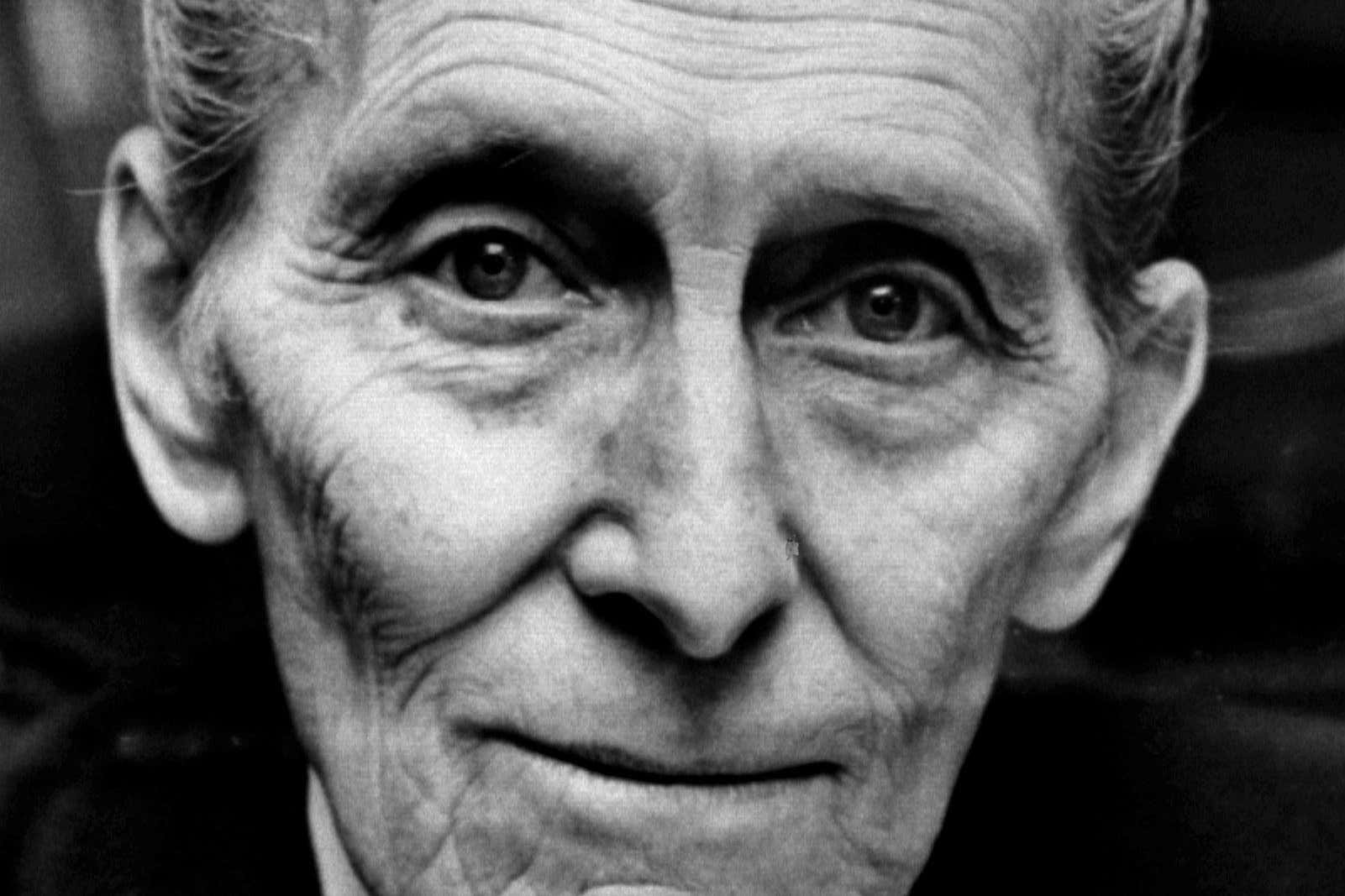 open image in galleryPeter Cushing also starred in several Hammer horror films and played Doctor Who during his career (PA Archive)
In his ruling, Judge Mitcheson, while "far from persuaded" that Tyburn would ultimately succeed, concluded that the case was not "unarguable" and necessitated a "full factual inquiry".
In written submissions for Wednesday’s hearing, Tom Moody-Stuart KC, representing Tyburn, asserted that the company’s rights were "unique and of substantial value" and that "justice requires" a trial of the claim.
He maintained that in 1993, Tyburn and Cushing agreed that neither would permit Cushing’s "participation in any film or programme where Mr Cushing appears, either in whole or in part" without Tyburn’s consent, which it was "entitled to withhold in its absolute discretion".
Mr Moody-Stuart also stated that Cushing agreed his beneficiaries and executors would be bound by the letter agreement, which granted Tyburn "the right to be the first to ‘resurrect’ Mr Cushing by way of visual effects".
He argued: "The clear intention of the parties was that the respondent would be permitted to ‘go first’ in ‘resurrecting’ Mr Cushing, and that Mr Cushing, or the estate, would actively prevent others from doing the same."
Mr Moody-Stuart concluded: "If there is any doubt as to what, exactly, the rights granted to the respondent entail, then that militates in favour of allowing the claim to go to trial, where such matters can be determined in the round."
The hearing, presided over by Lady Chief Justice Baroness Carr, Lord Justice Birss, and Lord Justice Zacaroli, is scheduled to conclude on Wednesday.