- Travel
Sustainability is a way of life in this undiscovered enclave of north-east Spain
Partner Content.jpeg) Wednesday 03 December 2025 09:29 GMT
Wednesday 03 December 2025 09:29 GMT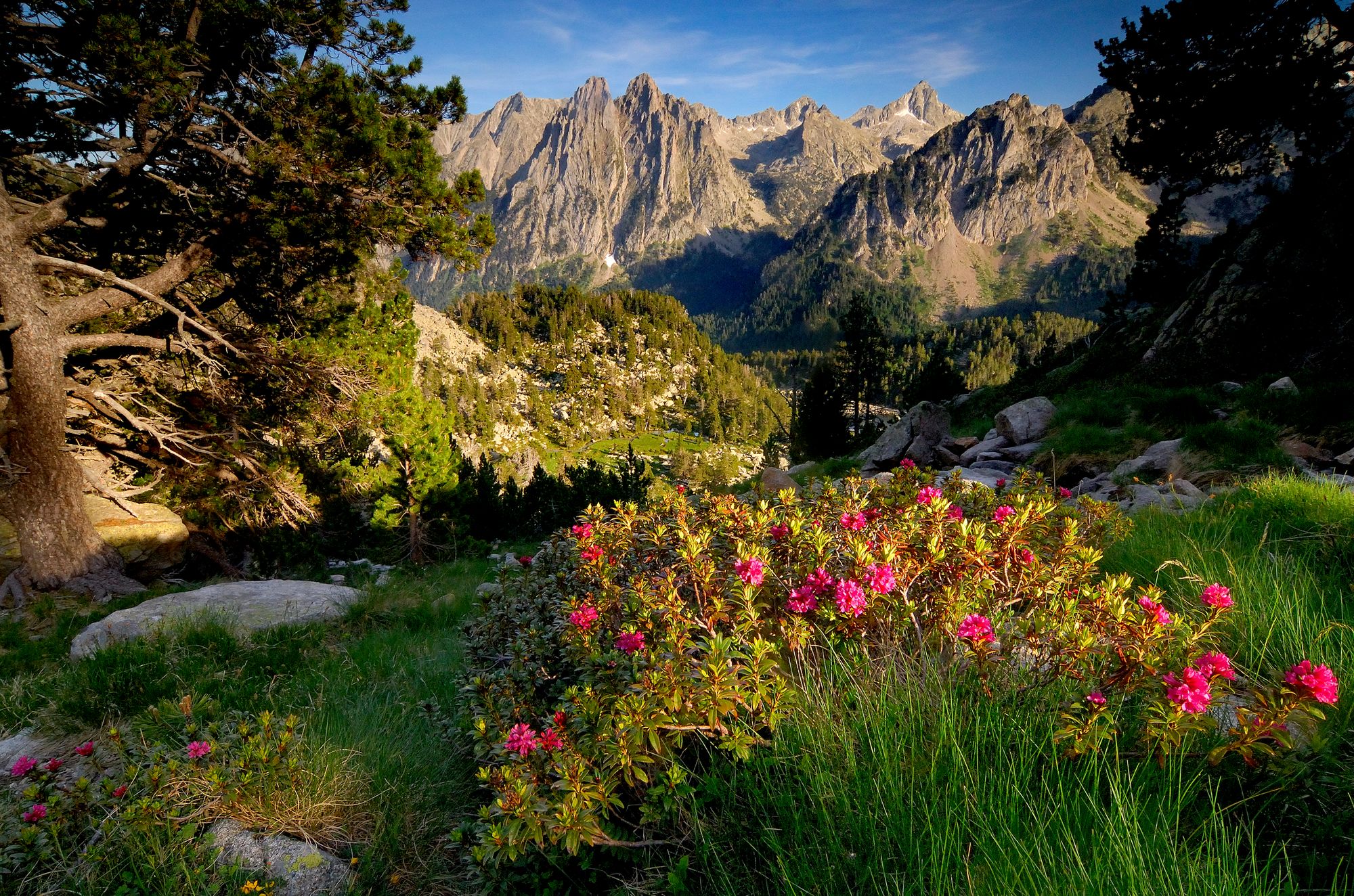 (Visit Pirineus)
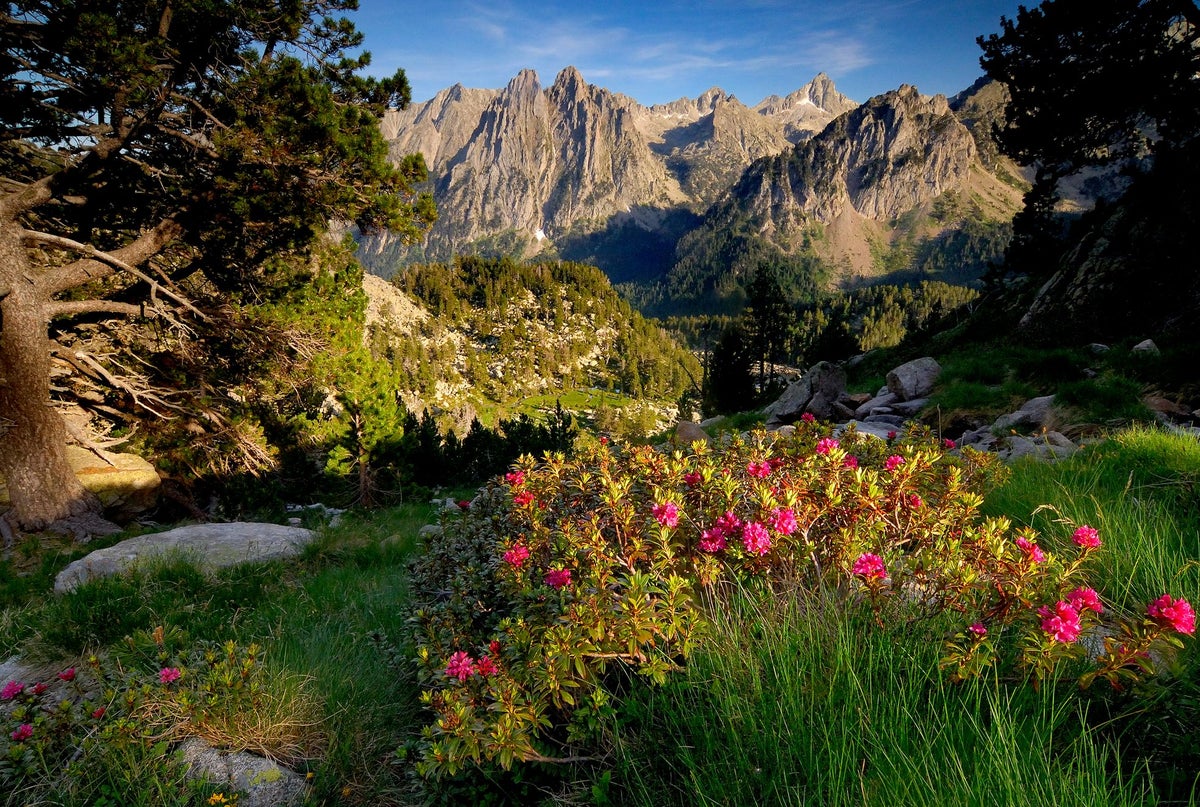
Whether you’re looking for an active adventure, cultural break, wellness weekend or fun-filled family holiday, there are many ways to explore the Pyrenees of Catalonia, all against a backdrop of verdant foothills and mighty snow-capped peaks. From conserving biodiversity to eating local, sustainability is knitted into the fabric of life in the Pyrenees of Catalonia – and that extends to the adventures that await those who travel here. Here are the most rewarding ways to explore this region responsibly.
1. Go forest-bathing in the Val d’Aran Biosphere Reserve
30% of the Pyrenees of Catalonia’s spectacular landscapes are protected, including the Biosphere of Val d’Aran. This stunning valley region was the world’s first mountain destination to receive the Biosphere Responsible Tourism accreditation. It offers far more than simply skiing and winter sports; late spring, summer and autumn all offer opportunities to unplug and unwind on quiet wellness walks in majestic fir, beech and oak forests, which you’ll share with marmots, foxes and deer.
2. Take the whole family on a hike
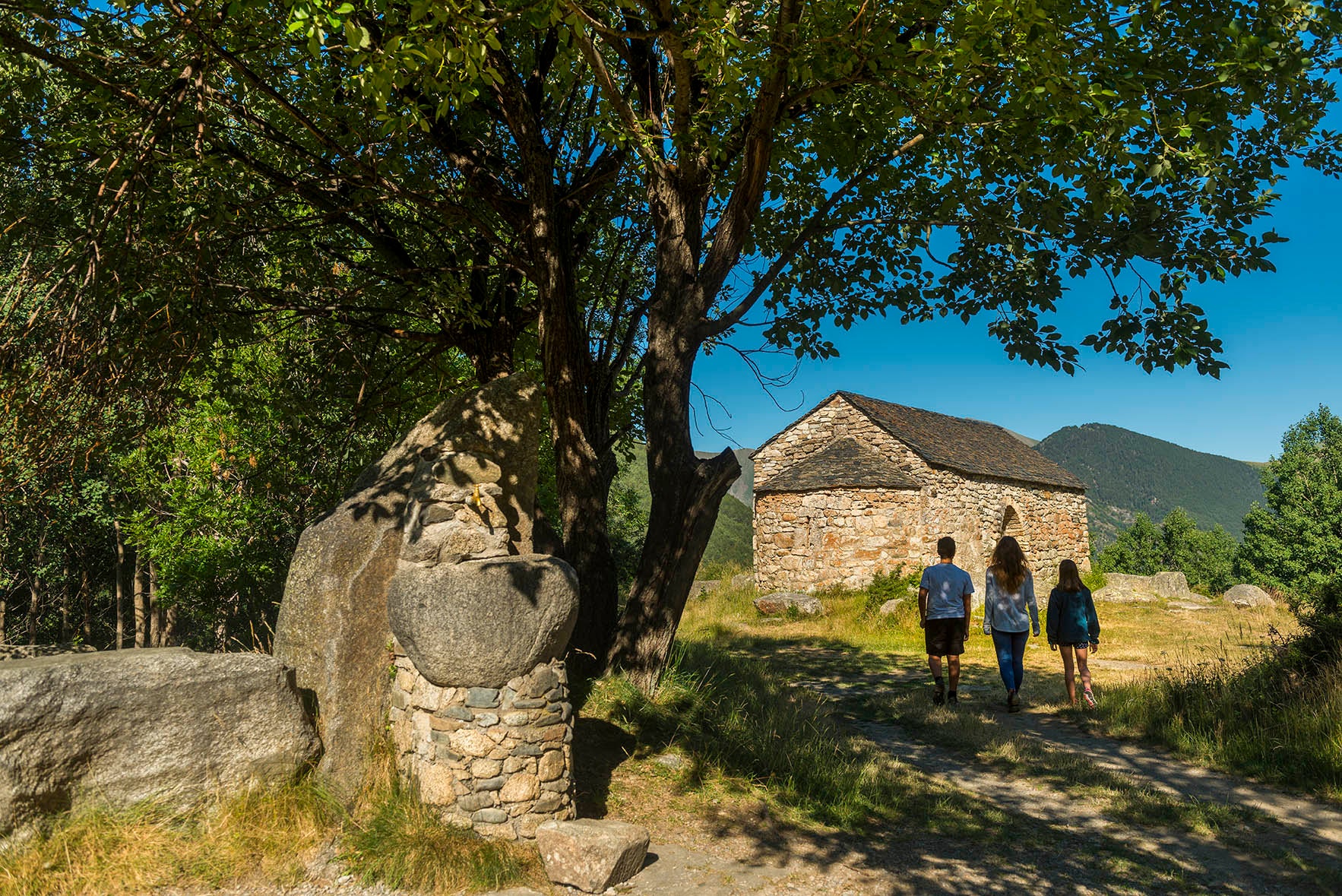 Vall de Boí has short walks that suit families with younger kids (Visit Pirineus)
The Catalan Tourist Board certifies some local areas and companies as Family Holidays Destinations, for their stellar ability to cater to families. Valls d’Àneu, for example, is ideal for families thanks to its gentle adventure-sport options and rich nature. You can go kayaking or paddle-boarding on the calm waters of the Torrassa reservoir, try some rafting on the Noguera Pallaresa (recommended for older kids), or explore tree-rope circuits and zip-lines at the Pirineus Parc Aventura. For even more dramatic landscapes of fir and pine forests, laced with emerald lakes, winding streams and 300-million year old granite rocks, head to Aigüestortes i Estany de Sant Maurici National Park – another highlight of the region. Hikers can choose from many iconic hiking routes for all fitness levels and ages, with bus routes offering connections to family-friendly accommodation.
3. Cycle through volcanic landscapes
The biodiverse Garrotxa Volcanic Zone Natural Park, an established Europarc sustainable tourism destination and one of six natural parks in the region, is home to 40 inactive volcanoes, 20 lava flows and a host of lush vegetation and wildlife. The Vía Verda del Carrilet, a disused-railway-line-turned-cycle-path, tracks a low-intensity route through the unique volcanic terrain of Garrotxa, along ravines, past striking rock formations and through blankets of oak and beech forests that are home to various animals, from foxes and wild boar to hedgehogs and newts.
4. Taste local cheeses at farm co-operatives
Catalonia, especially its Pyrenees, is prolific when it comes to cheesemaking: with upwards of 150 known varieties, it’s one of Spain’s most diverse regions for the stuff. You’ll find small producers and dairy co-operatives all across the mountains and valleys, using methods passed down through the centuries. Due to the region’s remote location, Catalan cheese varieties have remained unknown until recently; but now the secret’s out. Be sure to try garrotxa, a mellow goat’s cheese; serrat, one of Spain’s oldest cheeses, produced since the 10th century and featured in the Slow Food Ark of Taste; and the soft whey cheese Mató, with a drizzle of honey or with cinnamon and lemon zest in a coca de brossat cheesecake.
Recommended Peace among the peaks: journey through Spain’s sustainable mountains
 Inside the living traditions of the Pyrenees of Catalonia
 Five perfect family getaways in Catalonia’s green heart
5. Stay in an eco-retreat
The Pyrenees of Catalonia are home to 1,700 hotels, from boutique accommodation to rural guesthouses and spa retreats. One thing many of them have in common is that they’re eco-certified, going to great lengths to protect and celebrate nature – whether that’s by using 100% renewable energy, encouraging visitors to get green-fingered in a community garden, or offering vegan food and organic amenities. Families may enjoy nature excursions, while couples, groups of friends and solo travellers will find plenty of accommodation options that pair nature with wellness offerings such as yoga.
6. Dance with angels and demons at a fire festival
 (Visit Pirineus)
In the summer, visitors can support long-standing cultural traditions at fire festivals across the Pyrenees of Catalonia. During the medieval festivity La Patum of Berga, which falls on the week of Corpus Christi, in May or June, parades and theatrical performances take over the streets and squares of the city of Berga. Expect music, acrobatics, plenty of fire and fireworks and dancers dressed as angels and fire demons, symbolising the battle between good and evil. The festival has Unesco Intangible Cultural Heritage status, as do the Falles del Pirineu fire festivals, celebrated in 17 towns across the region across Pyrenees of Catalonia. At the Falles, which have their roots in ancient harvest rituals, burning logs (falles) are brought down from the mountains before a huge celebration with food, music and dancing by the bonfire.
7. Explore Romanesque Unesco World Heritage churches
Between mountain peaks, in the Vall de Boí, are a series of nine churches, recognised on the Unesco World Heritage list. They’re not only prime examples of Romanesque art and architecture, set in idyllic natural surroundings, but the valley’s sustainable tourism plan aims to make the Vall de Boí a global example of how mountain tourism can be accessible to all, with wheelchair-friendly paths and improvements to churches. It’s also set out to lower the impact of tourism in the region through, for example, the introduction of electric buses.
Plan your sustainable trip to the Pyrenees of Catalonia at visitpirineus.com/en

