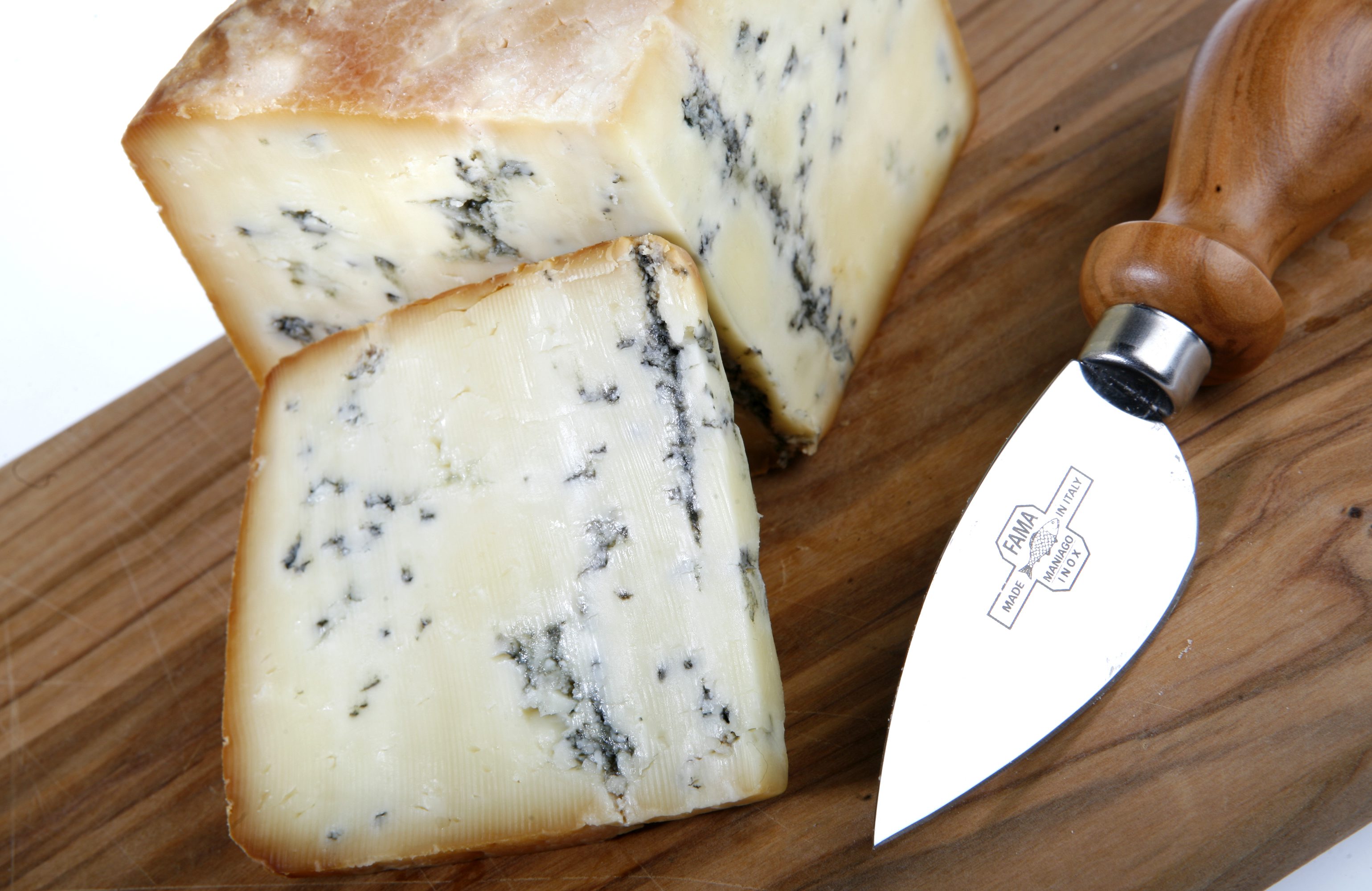
If you’re thinking of getting artisanal cheeses for your loved ones these holidays, you might have fewer options than in previous years, and a cattle illness in Europe is to blame, experts say.

In July, the Canadian Food Inspection Agency (CFIA) imposed restrictions on dairy imports from four European nations over an outbreak of “lumpy skin disease.”
Currently, the import of certain milk, milk products, cheese, hides and skins from Italy, France, Switzerland and Spain are prohibited due to the outbreak.
If you’re looking to gift certain artisanal cheeses this year, you might have to shell out more cash than before, said Mike von Massow, food economist at the University of Guelph.
“If you are if you are a fan of very specific European cheeses — cheeses made from raw milk — they might get more expensive or they might be unavailable,” von Massow said.
Story continues below advertisementHe added, however, that the impact of these import restrictions will be “relatively small” ahead of the holidays.

Get breaking National news
For news impacting Canada and around the world, sign up for breaking news alerts delivered directly to you when they happen. Sign up for breaking National newsletter Sign Up By providing your email address, you have read and agree to Global News' Terms and Conditions and Privacy Policy.“There’ll be some specific Italian pecorinos and some specific French cheeses — Roquefort and some others — that you may find more expensive,” he added.
Lumpy skin disease is a is a viral illness that affects cattle, with European breeds such as Jersey, Guernsey, Friesian and Ayrshire particularly vulnerable.
 2:13
B.C. dairy milk testers go on strike
2:13
B.C. dairy milk testers go on strike
The disease is closely related to sheep and goat pox and can cause circular, raised, firm and painful nodules or lumps on the skin especially around the head, neck, genitals, limbs and tail, CFIA said.
Trending Now-
![]() ‘Your Fresh Market’ broccoli florets recalled in six provinces over Salmonella risk
‘Your Fresh Market’ broccoli florets recalled in six provinces over Salmonella risk
-
![]() Algoma Steel to lay off 1,000 workers over ‘unprecedented tariffs’
Algoma Steel to lay off 1,000 workers over ‘unprecedented tariffs’
 ‘Your Fresh Market’ broccoli florets recalled in six provinces over Salmonella risk
 Algoma Steel to lay off 1,000 workers over ‘unprecedented tariffs’
While there is no evidence that this disease is transmittable to humans, CFIA places import controls on foreign cattle and animal products to protect Canada’s own cattle population.
Story continues below advertisementThese regulations are enforced through port-of-entry inspections done either by the Canada Border Services Agency or the CFIA.
There is currently no known treatment for lumpy skin disease.
While some European cheeses might get more expensive, von Massow says there are generally alternatives available.
“It doesn’t preclude you giving cheese for Christmas or whatever holiday you’re celebrating. It precludes you from giving those specific cheeses produced with raw cheese coming from areas that are that are susceptible to it,” he said.
A little research into comparable local cheeses or cheeses from unaffected areas could help, he said.
“Instead of a Roquefort, you could buy Danish blue cheese,” he said.
“It is the degree to which you are flexible that will affect the impact on you. It is a relatively small proportion of the total cheese we consume and even of the cheese we get from Europe,” von Massow said.
More on Lifestyle More videos- Algoma Steel to lay off 1,000 workers over ‘unprecedented tariffs’
- ‘Your Fresh Market’ broccoli florets recalled in six provinces over Salmonella risk
- U.K. to start enforcing new travel permit rules for Canadian visitors
- Consumers may not be feeling as ‘rosy’ as the economy appears to be
-
![]() Family ‘shocked’ after dealing with reported rodent problem at St. Paul’s Hospital
Family ‘shocked’ after dealing with reported rodent problem at St. Paul’s Hospital
-
![]() Palma’s Picks: Family violence and the journey to recovery
Palma’s Picks: Family violence and the journey to recovery
-
![]() Cooking Together: Festive fudge goodness
Cooking Together: Festive fudge goodness
-
![]() Business News: Holiday shopping outlook
Business News: Holiday shopping outlook
 Family ‘shocked’ after dealing with reported rodent problem at St. Paul’s Hospital
 Palma’s Picks: Family violence and the journey to recovery
 Cooking Together: Festive fudge goodness
 Business News: Holiday shopping outlook

