- Voices
- The Independent View
Editorial: Steering the party from the nadir of Corbynism to a landslide majority is Keir Starmer’s greatest achievement – but he now faces his stiffest test in tackling its drift back towards old Labour refuseniks who are hampering pro-growth change
Monday 01 December 2025 20:54 GMTComments
 CloseKeir Starmer touts Labour victories as a ‘record to be proud of’
The best of Voices delivered to your inbox every week - from controversial columns to expert analysis
Sign up for our free weekly Voices newsletter for expert opinion and columns
Sign up to our free weekly Voices newsletter
Email*SIGN UPI would like to be emailed about offers, events and updates from The Independent. Read our Privacy notice
Sir Keir Starmer has never been much attracted to dogma, or even the vaguest attempt at a unique political philosophy. There will never be any such thing as “Starmerism”.
That is not a criticism, because there is much to be said for the kind of pragmatic progressivism that proved to be such a refreshing break from the stale, ideological Corbynite past when he took over as leader in 2020. As Sir Keir sometimes reflects, few believed he had much chance of making Labour electable again in a hurry, and he was faced with a Herculean task few others seriously wanted to take on.
But he did stand for something: the notion of balancing social justice with economic efficiency and growth. It was an evolution of Tony Blair’s New Labour formula for success.
Sir Keir was prepared to take the hard decisions on welfare reform that were – and are – essential to putting the public finances and the tax burden on a sustainable footing. From the very earliest days of his leadership, he resisted calls from within his party to adopt a “tax and spend” approach and a casual attitude to borrowing. He has spent years trying to drag his party back to the centre ground, and to make it listen to the voters for a change. He offered stability and progress – the “change” he promised.
In his early months in power, he and his chancellor, Rachel Reeves, told their MPs they would even have to accept cuts to the pensioners’ winter fuel allowance, and that lifting the two-child benefit cap was “unaffordable”. Recalcitrant Labour backbenchers were suspended by Sir Keir from the parliamentary party for rebelling on these issues.
Then came the attempt to make modest reforms to welfare and the regime for sickness and disability benefits, which resulted in a humiliating defeat for him and his cabinet. Further U-turns followed, culminating in the boost to child benefits and the further hikes in taxes delivered by the chancellor in her last Budget. Whatever the claims and counter-claims about her “lying” about the fiscal position, the combination of unexpectedly harsh increases in personal taxation and a more generous welfare regime were not what the country voted for in 2024.
At least Ms Reeves should not also have to deal with the inadequate security of market-sensitive information held by the Office for Budget Responsibility. The honourable resignation of the OBR chief, Richard Hughes, ought to signal a reset in relations between the Treasury and the OBR. Given the briefings-driven chaos that preceded this Budget, a return to the traditional “purdah” around such fiscal events would be highly advisable.
The bigger picture, and the more potent criticism, is that the chancellor has lost her focus on growth, supposedly her “No 1 priority”. Instead, all the headline action has been on welfare, and funding the sometimes costly reverses in policy of recent months.
This, it bears repeating, was not supposed to be the Starmer project. Coupled with the employers’ national insurance hikes announced last year, new employment regulations, the cost of energy, and dramatic increases in the minimum wage, neither does this administration feel like “the most pro-business in history”, as it claims to be.
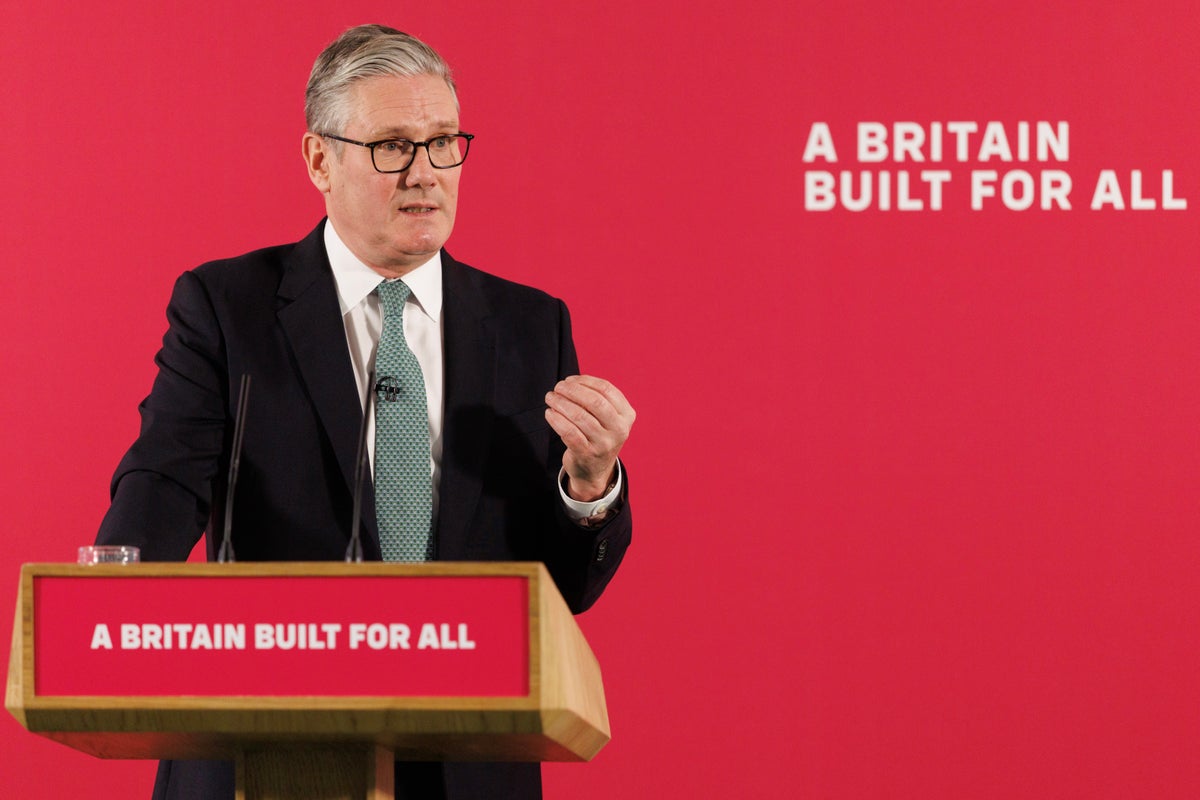
That is why it is at least encouraging that the prime minister has tried to return to the growth agenda and welfare reform in his latest speech. Understandably, given the reportedly precarious position his leadership is in, he wanted to make the most of widening the provision of benefits to every child, and it was no coincidence that his speech was made in a community centre after visiting a nursery.
His message is that welfare reform is coming. The agents of change are the new secretary of state for work and pensions, Pat McFadden, and a former Blairite minister, Alan Milburn, who’s been asked to “report on the whole issue of young people, inactivity and work”.
The prime minister wants to see more people in work, and brought out of “a cycle of worklessness and dependency”, which is bad for productivity and a waste of potential. Whether his MPs permit him to embark on a more radical – and successful – programme of reform must be in doubt, given the record.
However, the last attempt at change was botched badly, failing largely as a result of the mishandling of disgruntled backbenchers who suspected that the cuts to disability benefits were merely a panicky reaction by Ms Reeves to the deterioration in the public finances.
Next year, when the attempt will be probably be made again, it should be more meticulously planned, better argued, and more skilfully run by the whips. Sir Keir and Ms Reeves have at least garnered some goodwill from lifting hundreds of thousands of children out of poverty, and have learnt lessons from the last defeat.
The other source of optimism in Sir Keir’s speech is the renewal of his drive for closer trading links with the EU. He declares bluntly that Brexit has “significantly hurt our economy, and so for economic renewal ... we have to keep reducing frictions, and we will have to be grown-up about that: to accept that this will require trade-offs”.
This would certainly do as much as anything to boost growth and tax revenues for all the right reasons, and thus fund the kind of strong social security system essential to a civilised society. In short, there needs to be more emphasis on a dynamic economy; on creating wealth rather than just redistributing it. It’s the “change” Britain still yearns for.
More about
Keir StarmerRachel ReevesBudgetJeremy CorbynJoin our commenting forum
Join thought-provoking conversations, follow other Independent readers and see their replies
Comments
