 By Suzanne BlakeShareNewsweek is a Trust Project member
Several states will start incorporating artificial intelligence into their Medicare coverage decisions starting January 1, but some experts are unimpressed, with one telling Newsweek, "If you show me the incentive, I can show you the outcome. When the incentive is built around Medicare denials, that’s exactly what you’ll get, more denials." Supporters say the program will reduce fraud and waste.
The change hits in the new year as traditional Medicare recipients undergo a federal AI pilot program in Washington, Arizona, Ohio, Oklahoma, New Jersey, and Texas.
Why It Matters
The new program has sparked backlash amongst some Medicare beneficiaries and thought leaders who argue the AI tools could be used to deny coverage for more patients, causing financial strain and worsened health outcomes in the long run.
Prior authorization requirements have long put a strain on Medicare recipients, who have to wait and see if their treatment or procedures get approved for full coverage.
Image placeholderWhat To Know
Washington, Arizona, Ohio, Oklahoma, New Jersey, and Texas are the six states implementing the AI pilot program called Wasteful and Inappropriate Service Reduction.
The program aims to reduce fraud and waste by adding AI prior authorization for outpatient procedures seen as “low-value services.”
“For the first time, seniors will need prior approval from private contractors (paid based on how many claims they deny) before accessing certain treatments,” Michael Ryan, a finance expert and the founder of MichaelRyanMoney.com, told Newsweek. “Traditional Medicare has operated without prior authorization for 60 years. This pilot introduces it.”
Around half of all Medicare beneficiaries are on traditional Medicare, but in the past, prior authorization requirements have mainly been limited to the privatized version of Medicare, Medicare Advantage.
The new procedures that will have AI determine their prior authorization decisions include nerve stimulation, steroid injections for pain management, cervical fusion, knee surgery, impotence treatment and some skin substitutes.
"The difference here is the extent that AI will be used to determine the results of the prior authorization request. It is not unknown that private insurance companies are currently or will be using AI for their prior authorization process but there is an appeal process that is still very human which includes a peer-to-peer review," Chris Fong, CEO of Smile Insurance and a Medicare specialist, told Newsweek.
"We are unsure whether Medicare will have a similar appeal process. We are actively notifying our clients who are on traditional Medicare to be on the lookout for this new process and ensuring them that we will help them get through the prior authorization process."
Because AI companies are paid based on the savings from claims they deny, there are concerns that Medicare beneficiaries will suffer from the AI program in the long run.
“If you show me the incentive, I can show you the outcome. When the incentive is built around Medicare denials, that’s exactly what you’ll get, more denials,” Kevin Thompson, the CEO of 9i Capital Group and the host of the 9innings podcast, told Newsweek.
“These new AI systems will be programmed to reject claims at a higher rate because that’s how their algorithms are designed. The intent may be to curb overbilling and fraud through expanded prior authorizations, but the result will likely be longer wait times and more rejected procedures.”
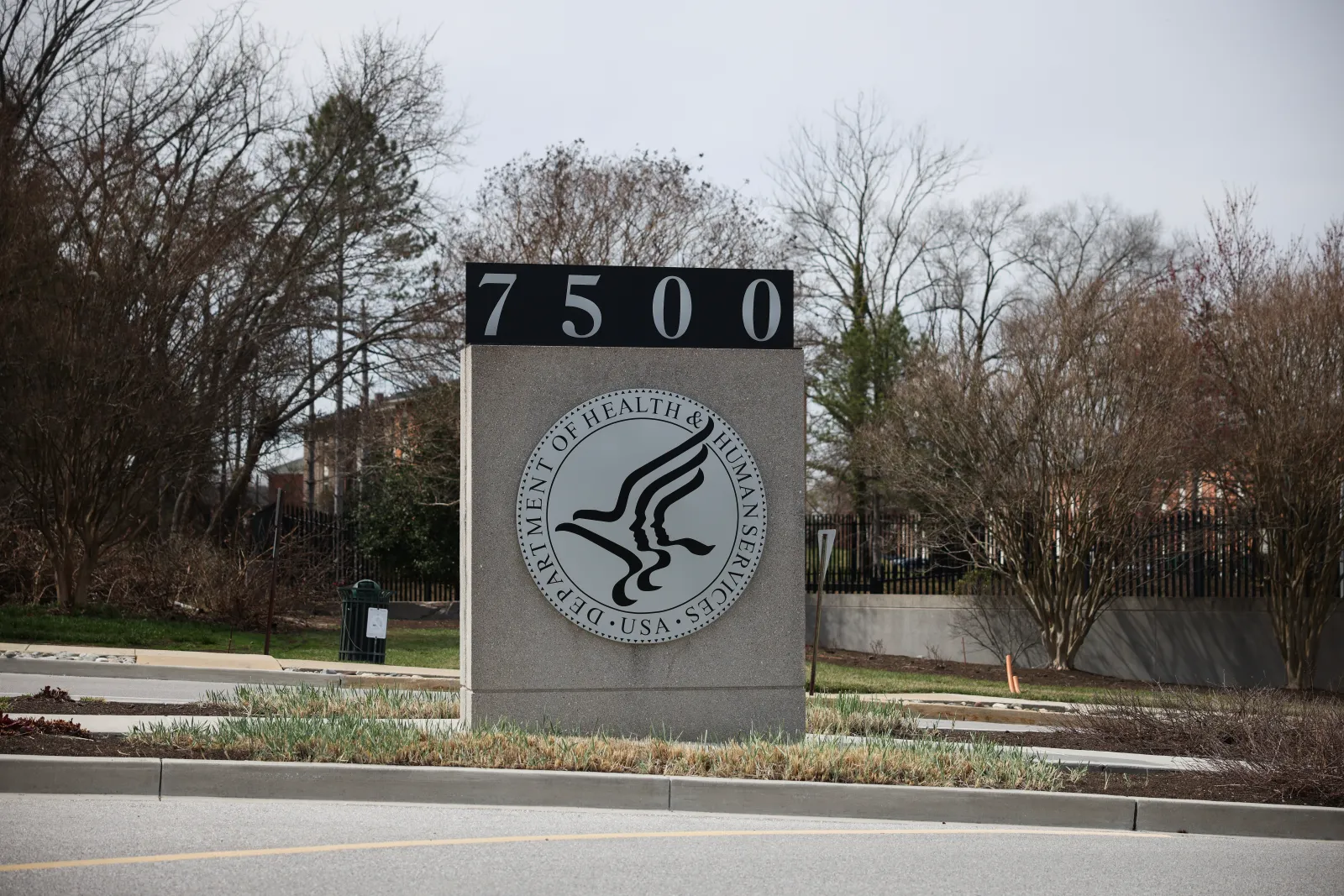 ...
...What People Are Saying
CMS Administrator Dr. Mehmet Oz said previously in a statement: "CMS is committed to crushing fraud, waste, and abuse, and the WISeR Model will help root out waste in Original Medicare. Combining the speed of technology and the experienced clinicians, this new model helps bring Medicare into the 21st century by testing a streamlined prior authorization process, while protecting Medicare beneficiaries from being given unnecessary and often costly procedures."
Alex Beene, a financial literacy instructor for the University of Tennessee at Martin, told Newsweek: “The pilot program Medicare is launching in six states that will integrate AI into existing operations has been met with a number of concerns, all centering around how these new systems will process claims. If AI accelerates the process of denying claims, it could become more difficult for future approvals for Medicare recipients to receive healthcare goods and services.”
Kevin Thompson, the CEO of 9i Capital Group and the host of the 9innings podcast, told Newsweek: “What’s being marketed as a way to 'root out waste, fraud, and abuse' will instead create more Type II errors, denying legitimate claims. And that’s not a good outcome for beneficiaries who depend on timely access to care.”
Michael Ryan, a finance expert and the founder of MichaelRyanMoney.com, told Newsweek: “This normalizes profit-driven gatekeeping in Medicare. If the 6 year pilot (through 2031) succeeds, expect expansion nationwide. A program that serves 60+ million seniors without these barriers suddenly operates like commercial insurance, with corporate interests between patients and care.”
What Happens Next
While the new model could bring about a reduction in fraud and waste, valid claims could also be denied in the process.
“Supporters say the new system will help to curb fraud and abuse within the program, but if those attempts also end up denying coverage to many valid claims, this revision could quickly become a nightmare,” Beene said. “A system of pilot states will hopefully assist in working through some of these potential difficulties before a possible expansion.”
Request Reprint & LicensingSubmit CorrectionView Editorial & AI Guidelines Add Newsweek as a preferred source on Google to see more of our trusted coverage when you search.
Recommended For You
 U.S.Black Friday Spending Raises Eyebrows Over US Economy5 min read
 NewsThousands Advised to Stay Inside in Oregon3 min read
 NewsBar Offers Free Beer to People Who Report Migrants to ICE3 min read
 NewsList of Stores Closing in December4 min read
 NewsUncommon Knowledge: Trump Closes Venezuelan Airspace, but Not NATO Airspace5 min read
 NewsStrange Chernobyl Black Fungus May Eat Radiation4 min read
Related Podcasts
Top Stories
 NewsWhite House Reveals New Details on Donald Trump’s MRI5 min readNewsUncommon Knowledge: Trump Closes Venezuelan Airspace, but Not NATO Airspace5 min read
 NewsWest Virginia Governor Gives Update on Guardsman Injured in DC Shooting3 min read
 U.S.Justice Sonia Sotomayor Warns of ‘Two Extremes’ in Supreme Court Case4 min read
 WorldRepublicans Demand Probe into Pete Hegseth’s Boat Strikes5 min read
 Live BlogBrian Walshe’s Murder Trial: Suspect Offers First Explanation For Wife’s Death—Live Updates2 min read
Trending
 FloridaAmazon Driver Sees Food Left for Stray Cats—Ring Cam Captures What He Does3 min read
 NWSWinter Storm Warning as 8 Inches of Snow to Hit North and Midwest3 min read
 WeatherWinter Storm Warning As 13 Inches of Snow To Strike: ‘Extreme Caution’3 min read
 Donald TrumpMap Shows Donald Trump’s Approval Rating in Each State After 10 Months4 min read
 Delta AirlineDelta Air Lines Plane Slides Off Runway During Winter Storm1 min read
Opinion
 OpinionForeign Energy Companies Have No Home in Our Forests | Opinion4 min read
 OpinionThe Hemp Ban Shows America Still Works | Opinion4 min read
 OpinionConventional Wisdom: The Somali Minnesota Welfare Fraud Edition4 min read
 OpinionRedefining Professional Degrees Will Hurt Everyday Americans | Opinion5 min read
 OpinionAI Is Coming for Our Most Intimate Communications. Congress Must Act | Opinion5 min read