- News
- UK
- Home News
US will pay zero import duty on UK-made drugs, while NHS spending will increase
Harry CockburnMonday 01 December 2025 18:26 GMTComments
 CloseTrump told reporters in April that pharmaceutical tariffs are coming
Get the free Morning Headlines email for news from our reporters across the world
Sign up to our free Morning Headlines email
Sign up to our free Morning Headlines email
Email*SIGN UPI would like to be emailed about offers, events and updates from The Independent. Read our Privacy notice
The UK and US have made a trade deal that will allow America to import UK pharmaceuticals without paying any tax, while also committing Britain to spending more on NHS drugs.
Import taxes on medicines and treatments going to the US will remain at 0 per cent for three years, Keir Starmer’s government said.
The Trump administration said the deal will lead to greater investment by UK drugs companies in America, and help create more jobs there.
The agreement follows threats from Mr Trump to raise tariffs by up to 100% on branded drug imports. Pharmaceuticals are among the UK’s biggest exports to the US, which remains the biggest market for major British drugmakers such as GSK and AstraZeneca.
The US said it would “work to ensure that UK citizens have access to latest pharmaceutical breakthroughs”, and comes after warnings that US drug companies will shut down their sites in the UK if the NHS does not pay more for drugs.
Earlier this month, US ambassador Warren Stephens said American businesses will axe future investments in Britain if "there are not changes made, and fast".
Under the deal, the UK government will raise its upper spending threshold for new medicines by 25 per cent, allowing previously rejected treatments – including breakthrough cancer drugs and rare disease therapies – to be approved.
From 2026, the agreement also cuts the repayment rate on NHS drug prices to 15 per cent, reducing the amount pharmaceutical companies must return to prevent overspending on branded medicines.
The UK plans to double NHS spending on medicines, raising it from 0.3 per cent to 0.6 per cent of GDP over the next decade.
US officials announced the deal as a “major win” for America.
“Today’s agreement is a major win for American workers and our innovation economy,” said Howard Lutnick, the US secretary of commerce.
“We are strengthening supply chains, creating high-quality jobs, and reinforcing America as the world’s premier hub for life-sciences investment,” he said.
“This deal doesn’t just deepen our economic partnership with the United Kingdom – it ensures that the breakthroughs of tomorrow will be built, tested, and produced on American soil.”
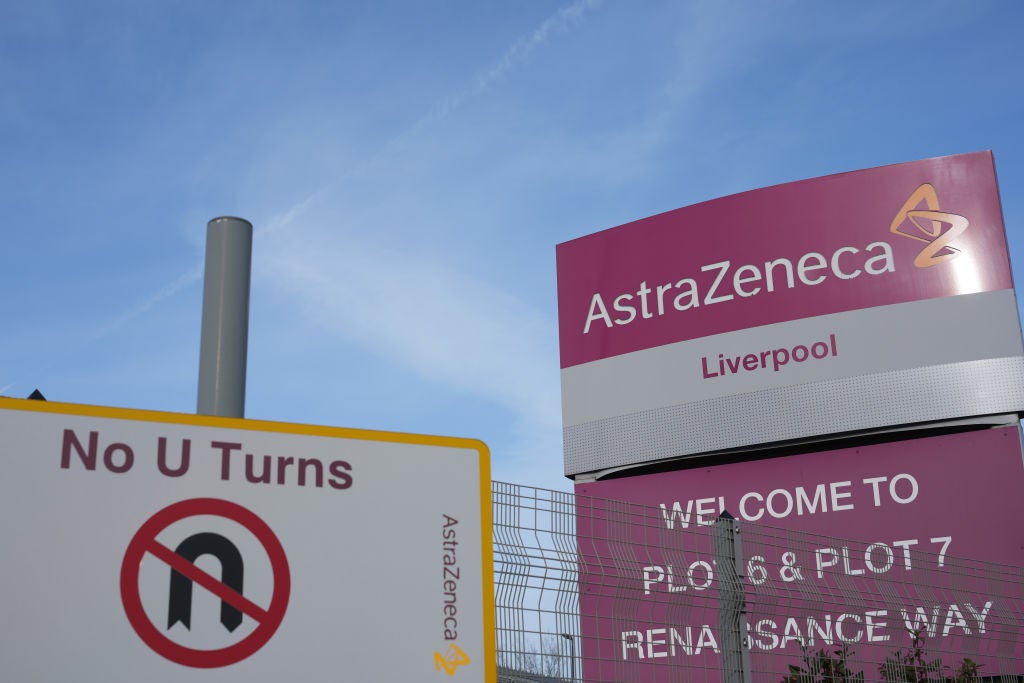 Astra Zeneca's vaccine plant in Liverpool, England (Getty Images)
Liz Kendall, the UK’s science and technology secretary said: "This vital deal will ensure UK patients get the cutting-edge medicines they need sooner, and our world-leading UK firms keep developing the treatments that can change lives."
Business and Trade Secretary Peter Kyle said the deal "guarantees that UK pharmaceutical exports – worth at least £5bn a year – will enter the US tariff-free".
The 0 per cent rate will apply to all UK pharmaceuticals exports for at least three years, which the government said is the lowest offered to any country.
The Association of the British Pharmaceutical Industry (ABPI) said the trade deal with the US was "an important step towards ensuring patients can access innovative medicines needed to improve wider NHS health outcomes".
Richard Torbett, chief executive of the ABPI, told PA: "It should also put the UK in a stronger position to attract and retain global life science investment and advanced medicinal research.
"These commitments begin to address industry concerns on NHS access to medicines, and the UK's record-high and unpredictable payment rate."
Additional reporting by PA
More about
PharmaceuticalsNHSTrumpmedicinesTreatmentsUKUSKeir StarmerTaxHoward LutnickJoin our commenting forum
Join thought-provoking conversations, follow other Independent readers and see their replies
Comments
