- News
- Business
Harbour said it has come under pressure from lower commodity prices and an ‘uncompetitive tax regime’.
Henry Saker-ClarkMonday 01 December 2025 13:41 GMT Harbour Energy is the UK’s largest oil and gas producer (Alamy/PA) (Alamy/PA)
For free real time breaking news alerts sent straight to your inbox sign up to our breaking news emails
Sign up to our free breaking news emails
Sign up to our free breaking news emails
Email*SIGN UPI would like to be emailed about offers, events and updates from The Independent. Read our Privacy notice
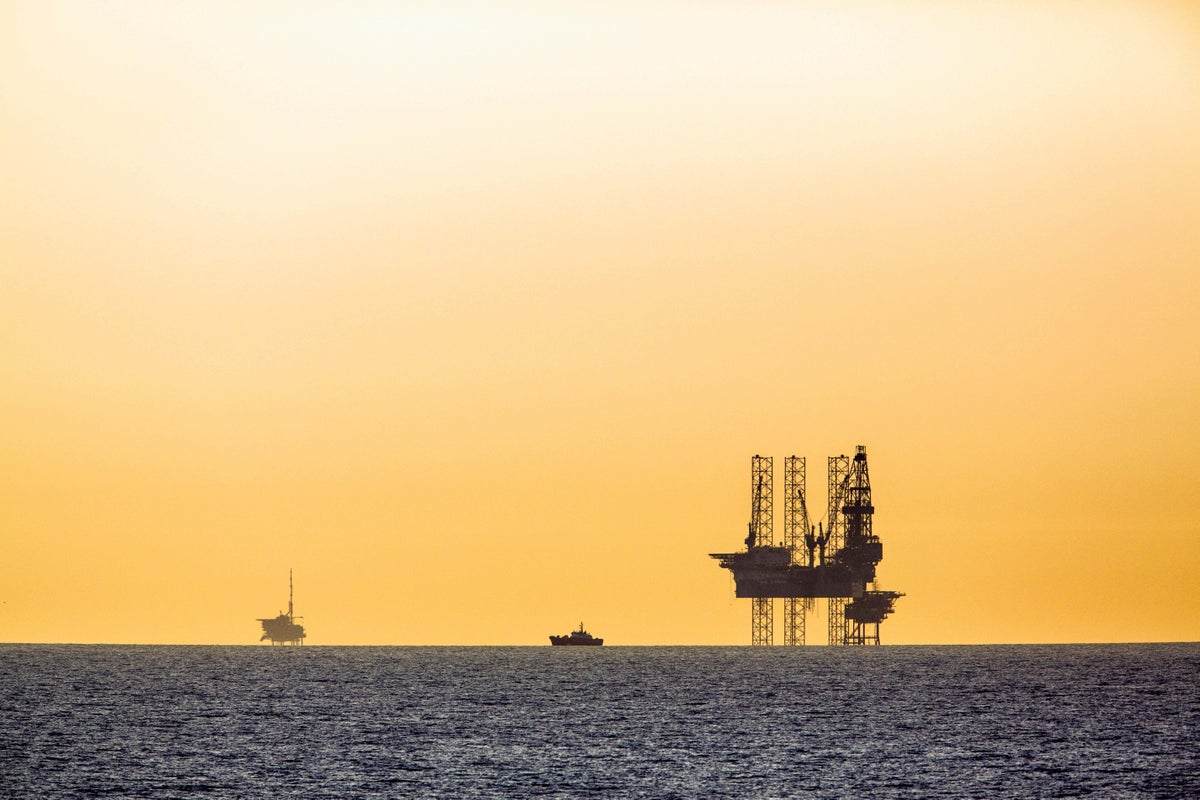
Oil and gas firm Harbour Energy is to cut around 100 offshore North Sea jobs, amid pressure from UK windfall taxes.
The UK’s largest oil and gas producer announced the proposed job losses as part of a review into its UK operations.
Managing director Scott Barr said the process is necessary to make sure its UK business “remains competitive as we continue to adapt to a challenging future”.
Harbour said it has come under pressure from lower commodity prices and an “uncompetitive tax regime”.
It said this situation has worsened after the Government opted to retain the energy profits levy in last week’s Budget.
The latest cuts mean that Harbour will have axed around 700 jobs since the tax was introduced in 2022.
This includes around 250 onshore job losses in Scotland earlier this year.
The windfall tax was brought in by the previous Conservative government and then extended after Labour came to power last year.
The levy, which is expected to stay in place until 2030, means that operators hand around 78% of their profits to the Treasury.
Harbour said the job losses will follow a consultation period, which is likely to conclude in the first quarter of 2026.
Mr Barr said: “The offshore reorganisation is a necessary step to align our operating model with reduced activity and production levels in the UK, accelerated by the retention of the energy profits levy (EPL), while maintaining our commitment to safety and regulatory standards.
“Harbour’s UK business unit will continue to struggle to compete for capital within our global portfolio while the EPL remains.
“The future structure of our offshore workforce must adapt to reflect these realities.
“While we must deliver this essential change, we recognise the next few months will be difficult for colleagues.”