
The Independent's journalism is supported by our readers. If you submit a form or click links to other sites on this page, we will earn commission.
- Home improvement
- Windows
As the cold snap hits, here’s why heat loss increases and how better glazing can help keep your home warm for less
Jeff MeyerEnergy WriterWednesday 26 November 2025 19:08 GMTComments open image in galleryFreezing temperatures and rising bills are a tough combination, and ageing windows often make both worse (Getty Images/iStockphoto)
When temperatures plummet across the UK, one of the first things homeowners notice is just how quickly heat loss in homes becomes a problem. Most households respond by turning the thermostat up and hoping the boiler keeps pace. But during a cold snap, the real problem in many homes isn’t how powerful the heating system is – it’s how quickly heat escapes.
Older or poorly performing windows are one of the biggest culprits of window heat loss, and during a cold spell, they can make it much harder to keep your home warm. When the mercury drops below zero, old or single-glazed windows can quietly send your energy bills soaring.
With UK heating costs still high by historical standards, upgrading your windows has become one of the most effective ways to keep your home warm and reduce your reliance on central heating. And in cold weather, the difference between old glazing and modern energy‑efficient windows becomes even more stark.
Get a quote for double glazing on your home
Use our comparison tool to get a range of free quotes from leading UK window installers.
How much heat are your windows actually losing?
To understand the reasons behind heat loss in homes, it helps to start with what can be the main culprit in most properties: the windows.
It’s common to think of heat loss in terms of roofs, walls or floors, but windows can account for a substantial share of wasted energy. Estimates from industry bodies such as the Energy Saving Trust suggest that around 18 to 25 per cent of a typical home’s heat loss occurs through its windows.
That’s partly because glass is naturally a poor insulator, and partly because older windows – particularly those installed before the early 2000s – weren’t designed to the efficiency standards now required by building regulations. A key measure is the “U‑value”, which tells you how easily heat passes through a window. The lower the U‑value, the better the insulation.
Single‑glazed windows typically have U‑values of 4.5 W/m2K or higher, meaning heat flows through them quickly. Older double‑glazed units from the 1990s often sit around 2.8 to 3.0 W/m2K. By contrast, modern A‑rated double glazing can reach around 1.2 W/m2K, while triple glazing can drop to around 0.8 W/m2K.
In practice, that means many older windows allow far more warmth to escape than homeowners realise, especially during prolonged cold weather. A modern window can retain heat two to three times more effectively than the panes many UK homes still have.
Recommended How much does double glazing windows cost? Average price for a three-bed house
 How much do new windows cost for UK homes? A 2025 guide to double glazing uPVC prices
 Are heat pumps worth it? The Independent’s guide
 Double glazing or secondary glazing – which should I choose?
Cold weather makes inefficient windows even more costly
Extreme weather exposes just how much window heat loss can affect both comfort and your heating bills.
When the outside temperature drops significantly, the rate of heat loss through windows accelerates. The difference between 5C outdoors and 21C inside is substantial, but when it’s ‑5C outside, that temperature gradient steepens dramatically, speeding up heat transfer. That’s why cold spells make draughts, chills and cold spots in rooms far more noticeable.
A typical three‑bed semi‑detached home with 15‑ or 20‑year‑old double glazing may be losing far more heat than homeowners realise. The signs are often subtle in mild weather but unmistakable during a freeze.
Look for:
- Persistent condensation on the inside of the glass
- Cold draughts around the frame or sill
- Rooms that stay noticeably colder than others
- Black mould forming around the window reveals or sills
- Rattling panes or visibly failed seals (cloudiness between the glass layers)
During cold weather, these issues force your boiler to work harder and cycle more frequently, increasing energy usage and driving up your heating bills.
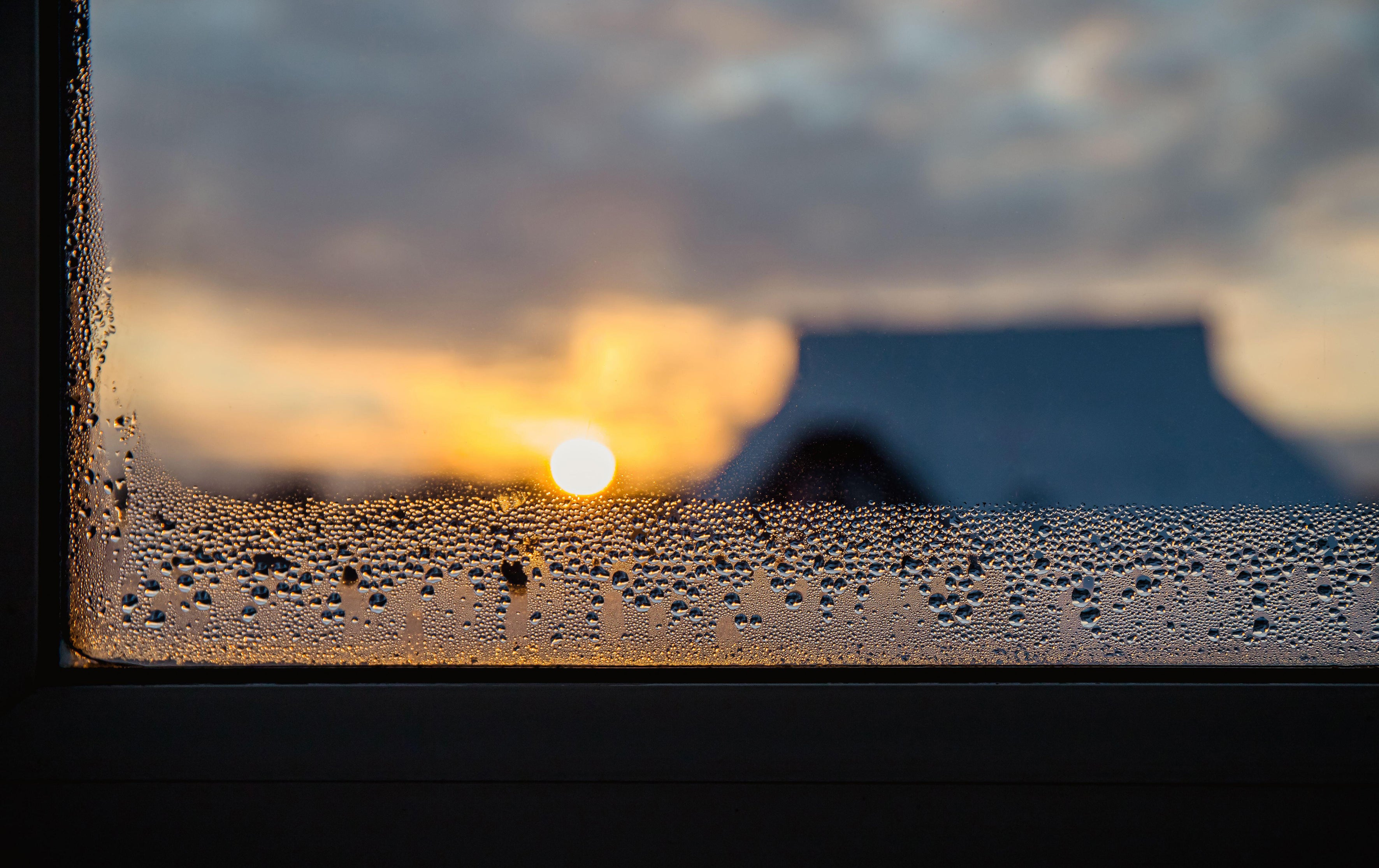 open image in galleryPersistent condensation on the inside of your windows is often a sign they need to be replaced (Alamy/PA)
How much could you save by replacing old windows?
Savings vary depending on property type, window size and frame material, but industry guidance provides some useful benchmarks. According to the Energy Saving Trust, replacing single‑glazed windows with modern double glazing can save around £140 to £235 per year on heating bills in a semi‑detached home, and potentially more in larger properties or those in particularly cold regions.
Even upgrading older double glazing to new A‑rated units can make a meaningful difference. While the cash savings may be smaller than moving from single glazing, homeowners can notice a marked improvement in how warm rooms feel and how much less frequently the heating needs to be turned on.
Crucially, efficiency isn’t just about the glass. Modern windows provide a tighter seal against air leakage, meaning less warm air escapes around the frames, a factor that can significantly improve comfort during severe cold spells.
Why newer windows perform so much better
Even if your existing windows don’t look particularly old, the technology behind them may be decades out of date. Much of the UK’s housing stock still relies on glazing installed in the 1990s or early 2000s, long before today’s stringent efficiency standards. Modern windows are engineered not only to keep heat in, but to manage condensation, reduce air leakage, and maintain stable indoor temperatures – all things you notice immediately during a cold snap.
Window technology has advanced considerably in the past two decades. Today’s units combine several features that are designed specifically to reduce heat loss:
- Low‑emissivity (low‑E) glass: a transparent coating reflects heat back into the room rather than letting it escape.
- Argon‑filled gaps: the space between the panes is often filled with argon gas, which is more insulating than air.
- Warm‑edge spacers: these materials reduce heat transfer around the perimeter of the glass, where heat loss used to be highest.
- Multi‑chambered uPVC frames: extra internal compartments provide greater insulation.
- Thermally broken aluminium frames: modern aluminium windows now include insulating sections that prevent heat from conducting through the metal.
Since 2002, building regulations have also required much lower U‑values, meaning any window fitted in the last 20 years is likely to be significantly more efficient than anything older.
What to consider when choosing replacement windows
If you’ve decided that your windows are due for an upgrade, the next challenge is working out which type is right for your home. The UK market is crowded with different ratings, materials and glazing options, and it isn’t always obvious which features actually improve efficiency and which are simply marketing terms. A good installer should help explain the technical details, but it’s useful to understand the core choices before you start comparing quotes from double glazing companies.
If you’re thinking about upgrading your windows, there are several practical choices to make.
- Energy ratings: look for A‑ or A+‑rated windows from the BFRC. They offer the best balance of insulation and value.
- Double vs triple glazing: double glazing is usually sufficient for most UK homes, but triple glazing can be worthwhile in very cold regions or for homes seeking exceptional noise reduction.
- Frame material: uPVC is affordable, low‑maintenance and highly insulated. Aluminium offers a slimmer, modern look and excellent durability when thermally broken. Timber is often required for conservation areas and listed buildings.
- Certifications: choose installers who are registered with FENSA or Certass, ensuring the installation meets building regulations.
- Costs: expect to pay from around £600 to £1,000 per window for new uPVC double glazing, depending on size and style.
If you can’t replace your windows right now
If full window replacement isn’t an option, there are still practical steps to reduce heat loss in homes and help keep your home warm during severe weather.
Window replacement is a significant investment, but there are temporary ways to reduce heat loss during a cold snap:
- Apply draught‑proofing strips to frames
- Use thermal or heavy‑lined curtains
- Add temporary secondary glazing film
- Seal visible gaps with silicone or expanding foam
- Check that trickle vents are closed during extreme cold
These measures won’t match the performance of new windows, but they can offer noticeable improvements in comfort during freezing weather.
A cost‑effective energy upgrade in cold weather
With the UK experiencing increasingly unpredictable winters, replacing outdated windows has become one of the most impactful home improvements you can make. It reduces heat loss, lowers your energy bills, and makes your home far more comfortable when temperatures plummet.
While many energy‑saving upgrades work behind the scenes, new windows have an immediate, tangible effect. And during a cold snap, the difference between old panes and modern glazing is something you feel every time you walk into a room.
Upgrading your windows won’t stop the icy weather outside, but it will help ensure more of your heating stays where it belongs: inside your home, keeping you warm.
More about
Heatcold snapHouseholdsHomeownersHomesenergy efficiencyJoin our commenting forum
Join thought-provoking conversations, follow other Independent readers and see their replies
Comments