- News
- UK
- Home News
Labour former minister Dawn Butler said it is ‘deeply disappointing’ that progress has been slow
Abbie Llewelyn Monday 02 March 2026 00:01 GMT- Bookmark
- CommentsGo to comments
Bookmark popover
Removed from bookmarks
Close popover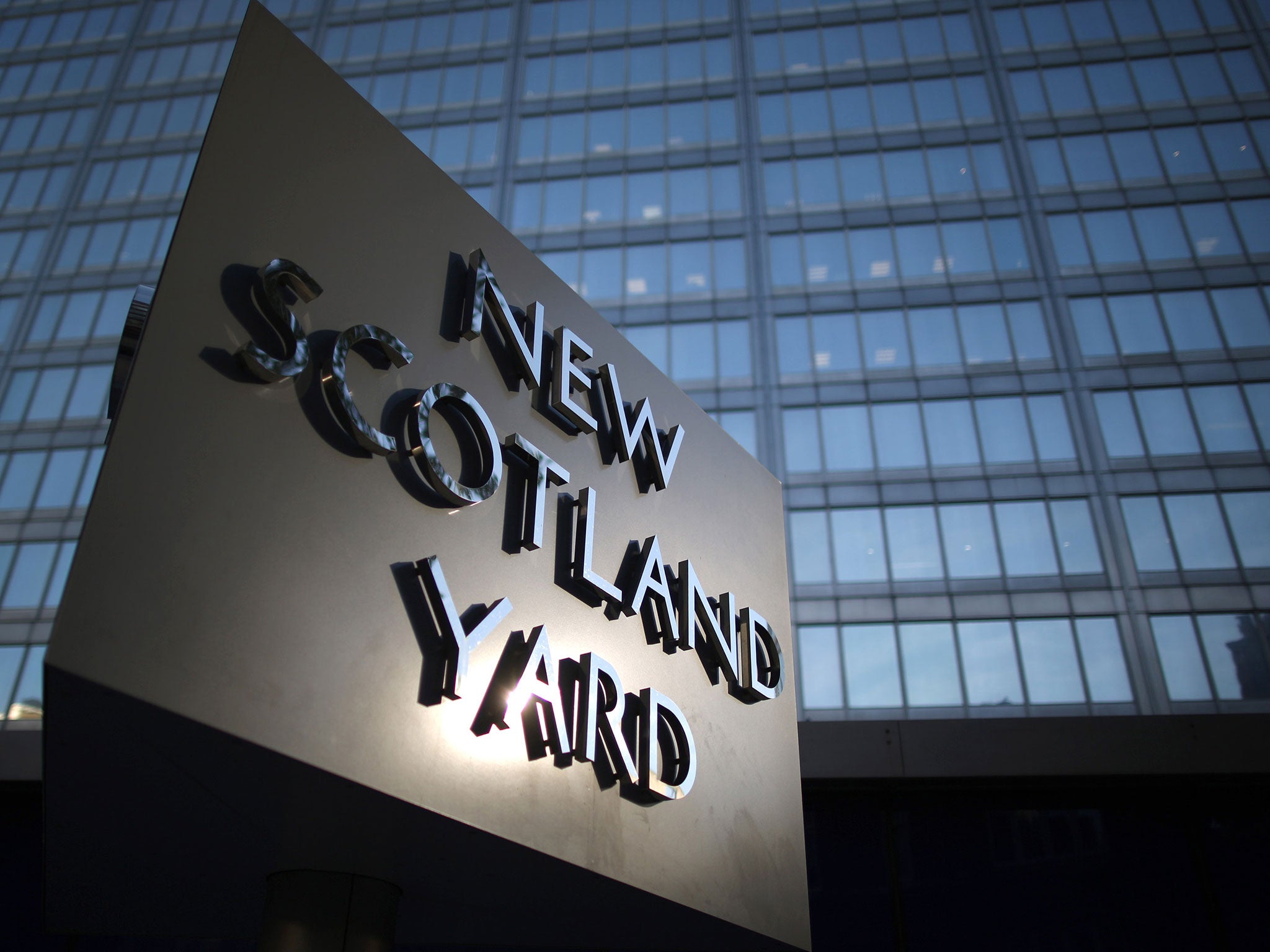 open image in galleryScotland Yard says it aims to ensure that the DNA and fingerprints for every serving police officer in the Metropolitan Police and Met Special Constabulary are collected, recorded and uploaded to the elimination database by March 31, 2028 (PA)
Get the free Morning Headlines email for news from our reporters across the world
Sign up to our free Morning Headlines email
Sign up to our free Morning Headlines email
Email*SIGN UPI would like to be emailed about offers, events and updates from The Independent. Read our Privacy notice
Nearly half of officers’ DNA is still missing from the Metropolitan Police’s database, along with more than a fifth of their fingerprints.
Elimination databases are used to exclude police officers’ DNA or fingerprints from crime scene samples, helping to prevent contamination from being mistaken for a suspect’s profile.
However, the missing data could also hamper the force’s ability to catch criminals in their own ranks, like Wayne Couzens, a police officer who raped and murdered Sarah Everard in 2021.
Of the 32,431 Met Police officers, 17,458 have their DNA on the force’s elimination database, which is just 53.8%.
Meanwhile, 25,802 officers have their fingerprints on the elimination database, which is 79.6%.
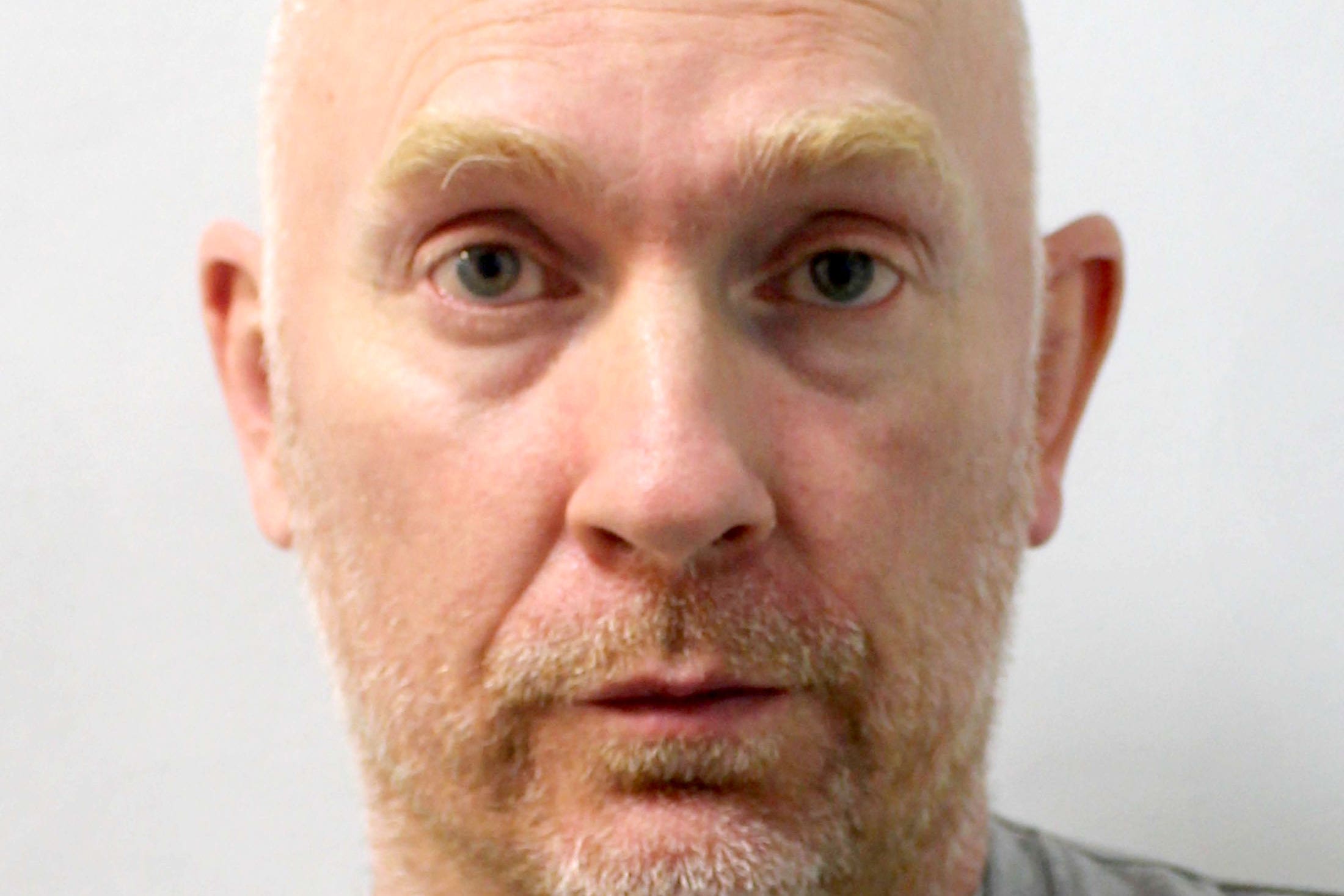 open image in galleryWayne Couzens was sentenced to a whole-life order for the rape and murder of marketing executive Sarah Everard (PA Media)
In November 2024, the London Standard reported that around half of the Met’s officers could be missing from its own DNA and fingerprint databases.
A Met Police spokesperson said at the time: “We’re in the process of assessing those samples we don’t currently hold and ensuring our processes to collect them are robust and effective.
“We expect this work to conclude in the next 12 months.”
It is understood a new database has been established to track the career lifecycle of biometric data samples associated with serving officers to ensure continuity and the Met is “confident” its processes have been assured.
The Met also says it has developed a more reliable data process to identify individuals whose data is missing, addressing legacy records and data quality issues, including identifying duplicate records for the same person.
That said, the percentage of officers with their DNA on file has risen very little in the 15 months since November 2024.
Scotland Yard says it aims to ensure that the DNA and fingerprints for every serving police officer in the Metropolitan Police and Met Special Constabulary are collected, recorded and uploaded to the elimination database by March 31, 2028.
Labour former minister Dawn Butler told the Press Association it is “deeply disappointing” that progress has been slow on ensuring that biometric data of all officers are recorded, which she said is an “essential safeguard to help restore confidence in our police service”.
The Brent MP said: “I have long pushed for the Met Police to ensure that the DNA and fingerprints of every single serving officer are properly recorded on the database, so it is deeply disappointing to learn that progress has been slow.
“There can be no more delay — the Met must now act with urgency to ensure every officer is included.
“This is essential for crime elimination when DNA is inadvertently left at a scene, but it’s also about accountability, transparency and rebuilding public trust after the serious cases of police misconduct in recent years.
“Holding this information is an essential safeguard to help restore confidence in our police service, which will benefit the many amazing officers too.”
The Metropolitan Police were contacted for comment.
More about
DNAMet PolicefingerprintsdatabasePolice officersJoin our commenting forum
Join thought-provoking conversations, follow other Independent readers and see their replies
Comments