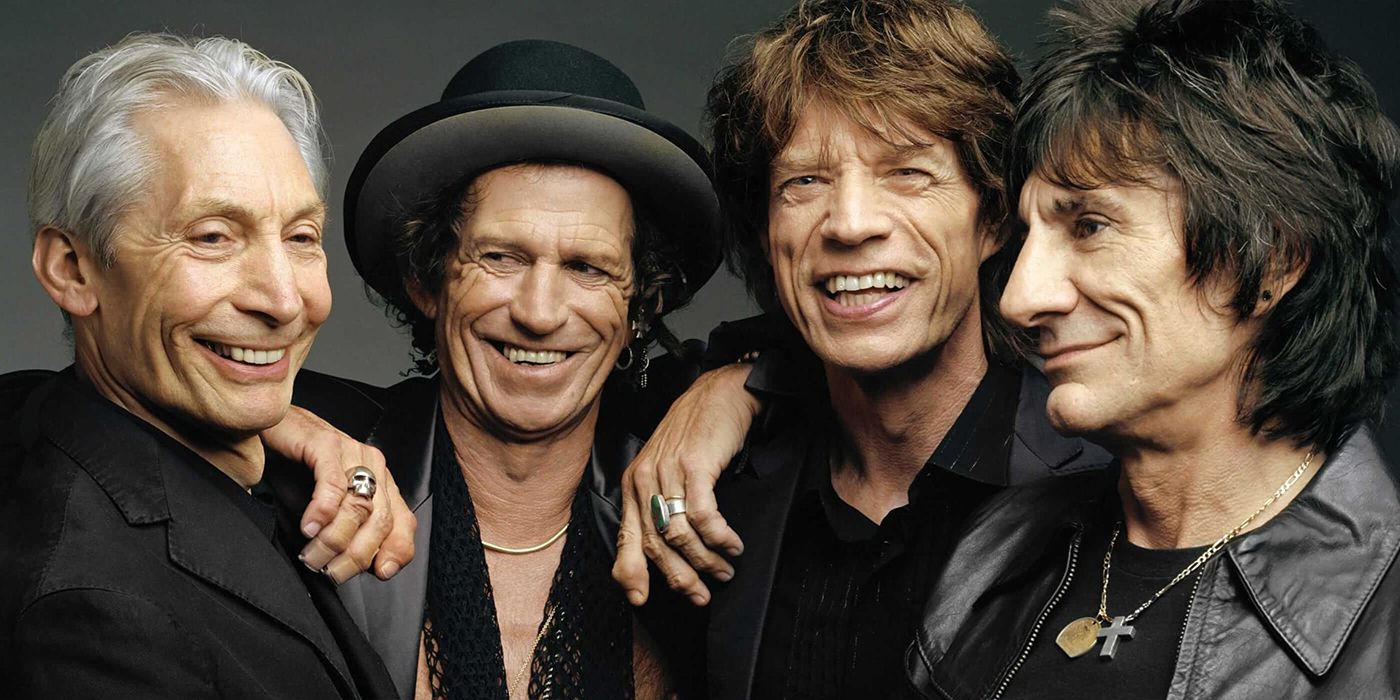
 The Rolling StonesImage via The Rolling Stones/YouTube
 By
Fiona MacPherson-Amador
Published 49 minutes ago
Curious from birth, Fiona is a music writer, researcher, and cultural theorist based in the UK. She studied her Bachelor of Music in London, specializing in audiovisual practices, and progressed to a Master’s in Arts and Culture from the University of Groningen in the Netherlands. Her MA research focused on the societal impact of sound within urban communities and how the narratives of art can contribute to their shaping and commentary.
Sign in to your Collider account
Summary
Generate a summary of this story
follow
Follow
followed
Followed
Like
Like
Thread
Log in
Here is a fact-based summary of the story contents:
Try something different:
Show me the facts
Explain it like I’m 5
Give me a lighthearted recap
By
Fiona MacPherson-Amador
Published 49 minutes ago
Curious from birth, Fiona is a music writer, researcher, and cultural theorist based in the UK. She studied her Bachelor of Music in London, specializing in audiovisual practices, and progressed to a Master’s in Arts and Culture from the University of Groningen in the Netherlands. Her MA research focused on the societal impact of sound within urban communities and how the narratives of art can contribute to their shaping and commentary.
Sign in to your Collider account
Summary
Generate a summary of this story
follow
Follow
followed
Followed
Like
Like
Thread
Log in
Here is a fact-based summary of the story contents:
Try something different:
Show me the facts
Explain it like I’m 5
Give me a lighthearted recap
The Rolling Stones’ “You Can’t Always Get What You Want” was recorded in 1969, an incredibly innovative time for pop-rock music that was constantly evolving. Through the 7 and a half minutes, the iconic song takes the listener through a sense of, perhaps naive, optimism, followed by disappointing disillusionment. The sheer energy of the song offers a relief to the defeatist energy that Mick Jagger learned through the song. This is exactly why “You Can’t Always Get What You Want” is perfect for Thanksgiving. The story of the song is remarkably representative of how, even if we’re caught up in our own inevitable predicaments, the solution of gratitude is already there. Not only this, but The Rolling Stones fill us with the hope that a simple shift of perspective is often the most powerful answer. Of course, this is greatly aided by an incredibly groovy tune like “You Can’t Always Get What You Want.”
Why "You Can’t Always Get What You Want" Is a Hidden Thanksgiving Anthem
As well as “You Can’t Always Get What You Want” being an iconic hit of the ‘60s, it is also actually the perfect anthem to soundtrack Thanksgiving. The song is centered around the theme of gratitude and the complexities it can entail. The song goes through the motions of gratitude, giving the listener a guide to each step. The choral introduction hits the listener with an immediate sense of defeat as they sing about a love interest whose focus was pointed elsewhere. We are thus quickly introduced to the sentiment of “You can’t always get what you need.” Up until that point, the choir was only working with two chords back and forth. However, a third chord is brought in as they sing: “But if you try sometime, you’ll find / You’ll get what you need.” The new chord makes our ears stand to attention, ready for the more optimistic spin that if perspectives are changed, a more important lesson could be waiting.
 Related
The Time The Rolling Stones Abandoned Rock for Another Genre
Related
The Time The Rolling Stones Abandoned Rock for Another Genre
The iconic rock band's unexpected genre shift that left fans and critics in shock.
Posts By Fiona MacPherson-Amador Oct 15, 2025The A cappella choir then smoothly transitions into acoustic guitar chords and, unusually for The Rolling Stones, a French horn line plays out. The orchestral element adds a timelessness to the song that reflects the eternal relevance of its message. The French horn adds an element of nostalgia, but its unusual placement in a rock song gives a simultaneous sense of revolution to the overall sentiment of overcoming disillusion.
What is arguably the best part about “You Can’t Always Get What You Want” is how easy and irresistible it is to sing along to the chorus. Especially as the song progresses and many backup singers are having a go at it, it’s nearly impossible not to join in. The straightforward melody and lyrics reassure listeners to contribute, and the whole family can easily get involved. It might not be everyone’s idea of a great time to see Grandma belting The Rolling Stones on the dining table, but hey, you can’t always get what you want…
The Musical Innovation and Legacy of “You Can’t Always Get What You Want”
 Rolling StonesImage via PA Images/INSTARimages
The structure of “You Can’t Always Get What You Want” is unusual for a typical late-’60s rock song, in part because of its mighty duration of 7:28. In the time it takes to prepare a snack, take a power nap, or for me to find my vinyl copy of Let It Bleed, The Rolling Stones managed to fit in 5 verses, 8 choruses, and a lot of grooving into “You Can’t Always Get What You Want.” The album version of the track also included a range of instrumental breaks that champion guitar solos, soft pianos, groovy percussion, powerful backing vocals, and Jagger’s signature wails. The length of “You Can’t Always Get What You Want” doesn't result in the song being thinly spread, and radiates an electric energy that leads the listener to dancing and accepting optimistic pragmatism over defeat.
 Related
The Rolling Stones Hit No. 1 With This Hit Song — But Was It Really About David Bowie’s Wife?
Related
The Rolling Stones Hit No. 1 With This Hit Song — But Was It Really About David Bowie’s Wife?
The Rolling Stones took a risk with this emotional ballad. Little did they know it would become their 7th No. 1 hit.
Posts By Ryan Louis Mantilla Oct 13, 2025Up until “You Can’t Always Get What You Want” was recorded in 1969, The Rolling Stones had very few songs that featured orchestral instrumentation, notably “As Tears Go By” and “Ruby Tuesday” did. In a retrospective review of “You Can’t Always Get What You Want,” writer Richie Unterberger remarked: "If you buy John Lennon's observation that the Rolling Stones were apt to copy the Beatles' innovations within a few months or so, 'You Can't Always Get What You Want' is the Rolling Stones' counterpart to 'Hey Jude'." This is not necessarily a dig or unfair assertion, as Mick Jagger himself commented in 1969 that: "I liked the way the Beatles did that with 'Hey Jude'. The orchestra was not just to cover everything up—it was something extra. We may do something like that on the next album." This shows just how much the bands of the ‘60s, like The Beatles and The Beach Boys, were influencing each other in a positive way that led to a united sense of revolution in the music industry.
In its joy, The Rolling Stones’ “You Can’t Always Get What You Want” reassures us that there is plenty to be thankful for. The song shows us how obstacles are useful to us in so many ways. The negative feelings that said obstacles may hinder us will actually teach us how to manage them well. Defeat turns into determination as the slow song transforms into groove-central, and rumbles turn into realizations of gratitude as Jagger preaches the power of perspective. The Rolling Stones teach us that while what we want isn’t always what we need, we just have to keep rolling.
Follow Followed Like Share Facebook X WhatsApp Threads Bluesky LinkedIn Reddit Flipboard Copy link Email Close Thread Sign in to your Collider accountWe want to hear from you! Share your opinions in the thread below and remember to keep it respectful.
Be the first to post Images Attachment(s) Please respect our community guidelines. No links, inappropriate language, or spam.Your comment has not been saved
Send confirmation emailThis thread is open for discussion.
Be the first to post your thoughts.
- Terms
- Privacy
- Feedback
 Nov 11, 2025
Bob Dylan’s Greatest Album of All Time Ends With This Iconic Song Written in an Unexpected Place
 17 hours ago
This Quietly Devastating 'Pluribus' Reveal Completely Changes How We See Its Main Character
 17 hours ago
Apple TV Pulls Upcoming Thriller Series 1 Week Before Release After Plagiarism Allegations
 17 hours ago
25 Years Ago, the "Fastest Show on TV" Did Something That Is Almost Impossible To Duplicate
What To Watch
 July 20, 2025
The 72 Best Movies on Netflix Right Now
Trending Now
July 20, 2025
The 72 Best Movies on Netflix Right Now
Trending Now
 This Forgotten Crime Drama Had an Impressive 7-Season Run — and You Can Binge It for Free
 Luca Guadagnino's Star-Studded Flop Becomes a Streaming Sensation
 ‘Pluribus’ Episode 5 Recap: Rhea Seehorn Successfully Carries the Sci-Fi Show's Most Surprising Hour All by Herself

