 Jules Wang / AP
 By
Jon Gilbert
Published 51 minutes ago
Jon has been an author at Android Police since 2021. He primarily writes features and editorials covering the latest Android news, but occasionally reviews hardware and Android apps. His favorite Android device was the Pixel 2 XL, and he regards the three months when he owned an iPhone as a time of the utmost shame. Jon graduated with a History degree in 2018, but quickly realized his writing skills were better put to use writing about tech rather than essays. He started writing and editing for startups shortly after graduating, where he did everything from writing website copy to managing and editing for a group of writers. When he's not sitting at his computer, you can find him working at Warhammer World, reading sci-fi, or turning his speakers up to 11.
Sign in to your Android Police account
Summary
Generate a summary of this story
follow
Follow
followed
Followed
Like
Like
Thread
Log in
Here is a fact-based summary of the story contents:
Try something different:
Show me the facts
Explain it like I’m 5
Give me a lighthearted recap
By
Jon Gilbert
Published 51 minutes ago
Jon has been an author at Android Police since 2021. He primarily writes features and editorials covering the latest Android news, but occasionally reviews hardware and Android apps. His favorite Android device was the Pixel 2 XL, and he regards the three months when he owned an iPhone as a time of the utmost shame. Jon graduated with a History degree in 2018, but quickly realized his writing skills were better put to use writing about tech rather than essays. He started writing and editing for startups shortly after graduating, where he did everything from writing website copy to managing and editing for a group of writers. When he's not sitting at his computer, you can find him working at Warhammer World, reading sci-fi, or turning his speakers up to 11.
Sign in to your Android Police account
Summary
Generate a summary of this story
follow
Follow
followed
Followed
Like
Like
Thread
Log in
Here is a fact-based summary of the story contents:
Try something different:
Show me the facts
Explain it like I’m 5
Give me a lighthearted recap
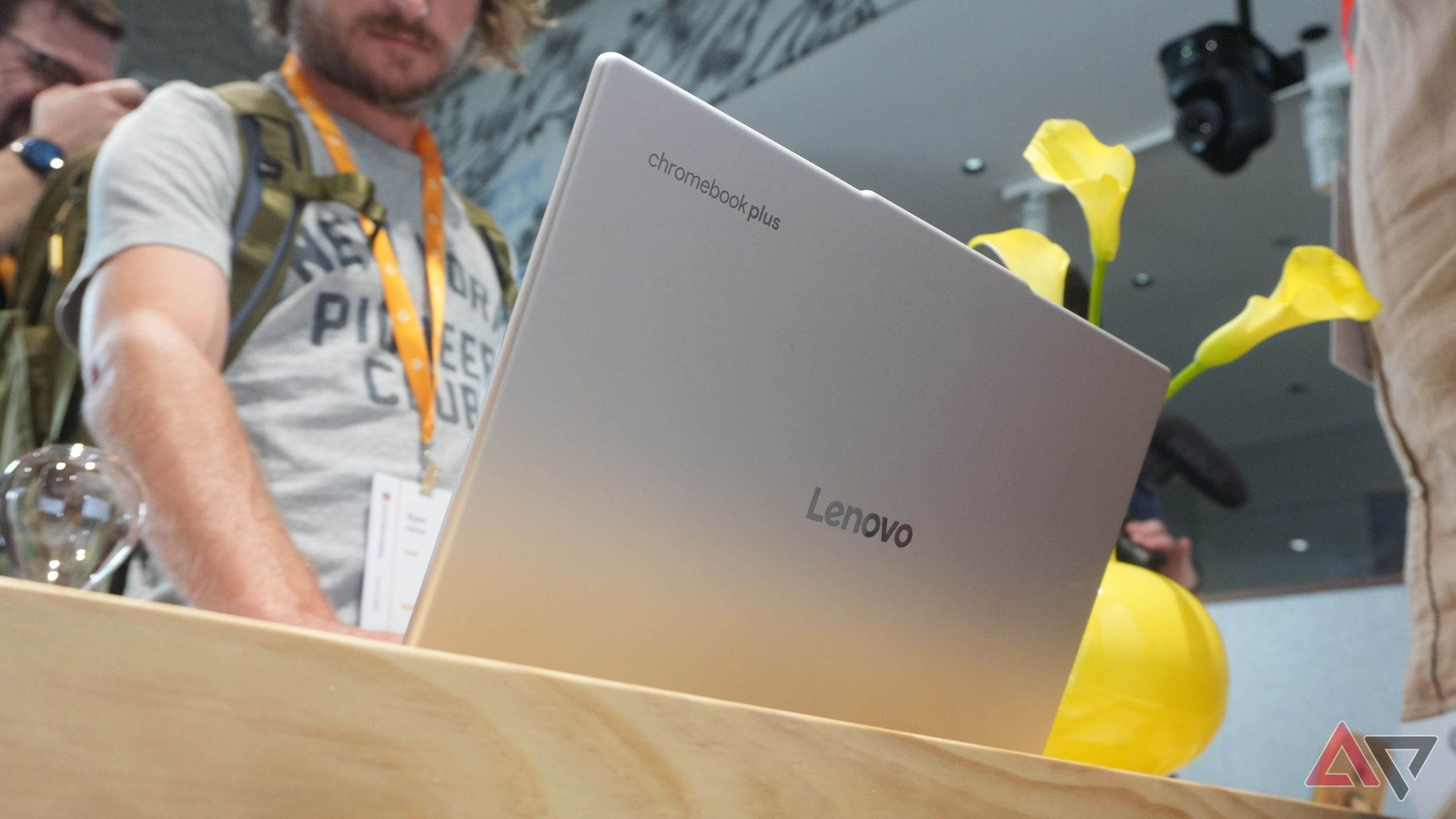
In a now-removed Q&A on its website, Lenovo made numerous statements regarding the future of Android laptops.
In this Q&A, the company highlighted what the future of Android PCs could look like, but the article was pulled to avoid people interpreting the post as based on real plans by Lenovo, Google, or Microsoft.
Nevertheless, it offered a fascinating overview of what an Android OS-powered laptop could look like.
Rumors about a new Android OS for PCs were solidified when Google revealed that it was working on a Snapdragon-powered Android PC project. Since then, we've seen more details revealed about these devices.
While we're still a long way off from seeing a finished product, there's enough information floating around to let us speculate about what the future of Android laptops could look like.
Hardware to match the most powerful MacBooks
A Snapdragon-powered Android laptop could top benchmarks

Qualcomm's Snapdragon chipsets have powered Windows laptops since 2016, but modern Chromebooks are powered by Intel CPUs.
However, the Snapdragon name will be familiar to Android users, especially those rocking Samsung Galaxy phones.
The most powerful Snapdragon chipsets have made recent Galaxy Ultra phones capable of handling the most demanding tasks you can throw at an Android phone, but laptops are a different beast altogether.
In higher-end laptops with Qualcomm chipsets, you can find the Snapdragon X Elite chipset.
This chipset, revealed in 2024, marked a significant leap forward, ranking amongst the most powerful laptop chipsets and beating Apple's M3 chip in benchmark tests.
The upcoming X2 Elite chipsets will be even more powerful and will reportedly offer 31% faster performance and use 43% less power than the X Elite.
This means that if Google utilizes Qualcomm's Elite-series chipsets for its upcoming devices, we can see Android laptops that rival MacBooks, not just in hardware performance, but in software.
Leaks of private Snapdragon Android 16 code show that Qualcomm has already created Android code for the Snapdragon X and X Elite processors.
A true Android ecosystem to rival Apple
Android for desktop is better than ever
Apple has long held a strong advantage over all its competitors thanks to its device ecosystem. All your Apple devices work perfectly together, so you never need to check device compatibility.
The Android ecosystem has struggled in this regard. Google has made great strides towards making ChromeOS a companion to your phone, but it's not perfect.
However, recent upgrades to the Android OS indicate that we may soon see even better integration between Android phones and laptops than Apple currently offers.
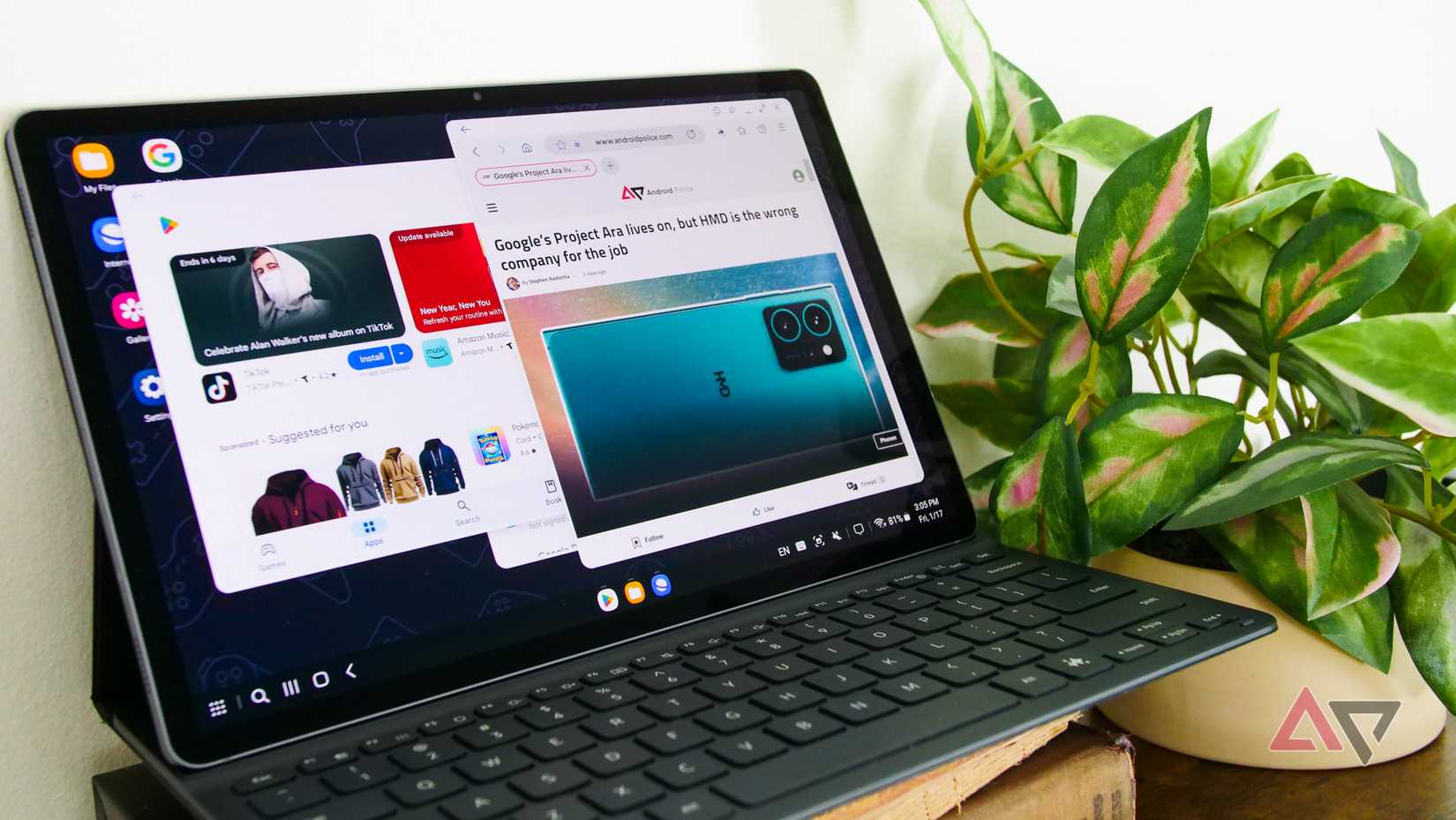
Recent Android updates have included various improvements for large screens. Google partnered with Samsung to include desktop mode in Android, enabled when you connect your phone to an external display or use an Android tablet.
Split-screen multi-tasking is already available, but this is designed for tablets, not desktop mode.
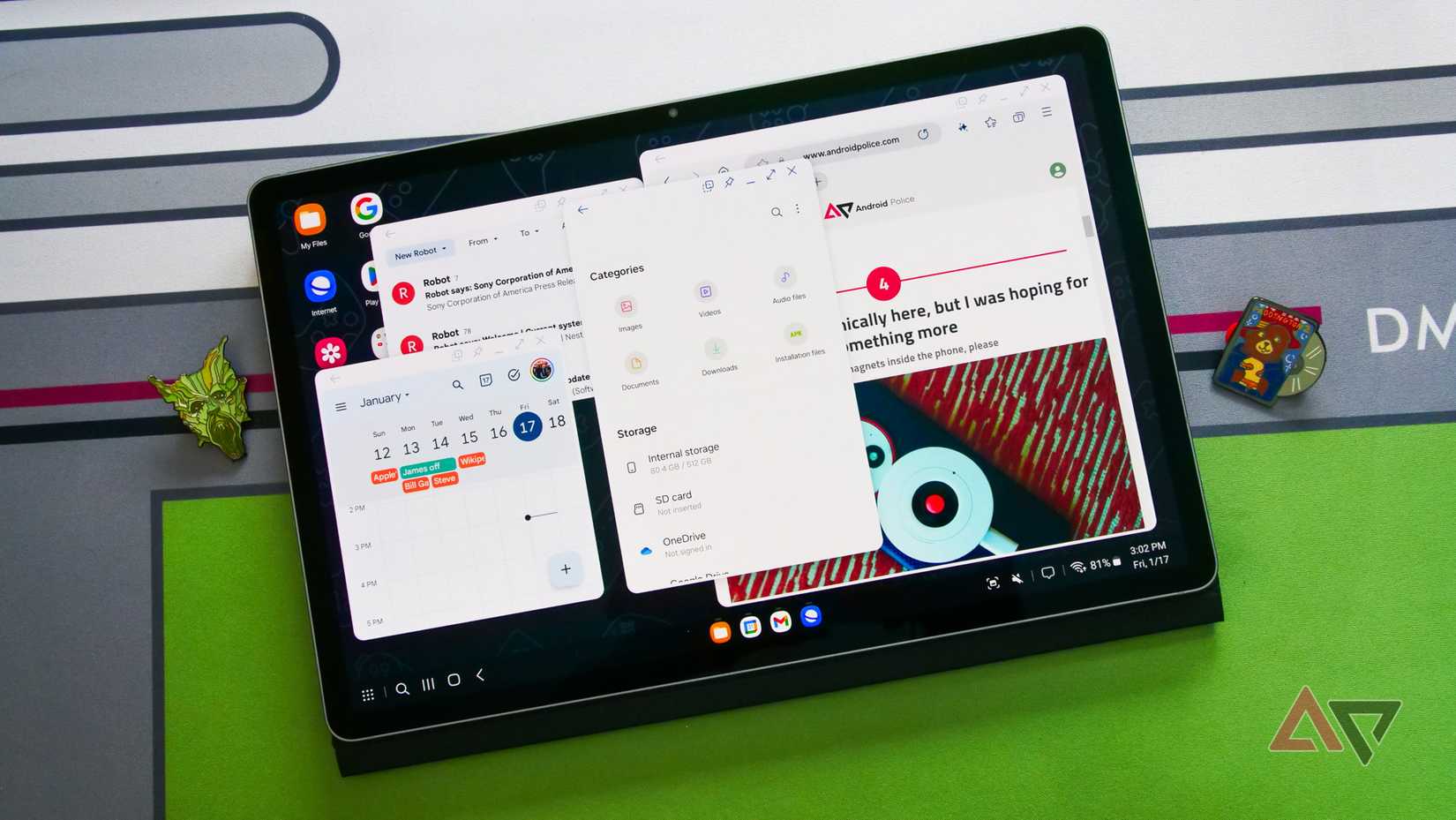
Currently, the Android desktop experience does not offer the same capabilities as Samsung DeX or ChromeOS, but the foundation is in place for an excellent Android OS experience on laptops.
What are the potential downsides of an Android laptop?
Developers need time to catch up
Qualcomm has shown that its newest chipsets are capable of handling demanding tasks.
Google's desktop mode for Android shows that the foundations for an excellent Android desktop experience are in place. But what are the downsides?
The biggest concern is the lack of features. Google Chrome is the best example of this.
Unlike Chrome for Windows or ChromeOS, Chrome for Android does not support plugins or web extensions. Android versions of Windows apps usually offer fewer features; running them in desktop mode doesn't magically add them.
Compatibility is another concern.
I like using a Windows PC as I never have to worry about whether an app or game will work on my device. This is something Mac users have struggled with for years, particularly with video games, but they still have access to a colossal variety of programs.
However, for Android to match the software experience of Apple and Windows, developers will need to ensure their Android apps offer similar features to their Windows or macOS versions.
There's nothing Google can do to force this change; it's all in the hands of developers.
Therefore, even when the first Android laptop launches, we'll still need to wait for developers to catch up.
There's plenty of software that you can use through the cloud (for example, Canva, Asana, Slack), but Android laptops will still be far behind the competition in terms of software compatibility.
I expect this to be the case for years after the first Android laptop hits the shelves.
The future of Android laptops is bright, but don't get too excited
Qualcomm's upcoming Snapdragon X2 Elite chipset, and the huge leaps in Android's desktop mode are exciting developments, but until I see an Android laptop in person, I won't be getting too excited.
Android desktop mode is still a work in progress, and I can't see an Android laptop replacing my Windows device any time soon, regardless of how powerful the former is.
Follow Followed Like Share Facebook X WhatsApp Threads Bluesky LinkedIn Reddit Flipboard Copy link Email Close Thread Sign in to your Android Police accountWe want to hear from you! Share your opinions in the thread below and remember to keep it respectful.
Be the first to post Images Attachment(s) Please respect our community guidelines. No links, inappropriate language, or spam.Your comment has not been saved
Send confirmation emailThis thread is open for discussion.
Be the first to post your thoughts.
- Terms
- Privacy
- Feedback
 3 days ago
Google's 15 year old Pixel concept. [Video]
 3 days ago
How to make use of your Samsung's Now Bar on the lock screen and AOD
 5 days ago
Google Phone could soon let urgent calls cut through DND
 6 days ago
Quick Share is now compatible with Apple's AirDrop
Trending Now YouTube TV just got a UI revamp, bringing big changes to Live Guide
 Why the Google Pixel 10 Pro Fold convinced me to abandon my iPad for good
 Spotify reportedly on track to hike US pricing soon