- Travel
- News & Advice
Local mayors will soon be given the power to impose the levies on visitors in England
Amelia NeathWednesday 26 November 2025 14:09 GMTComments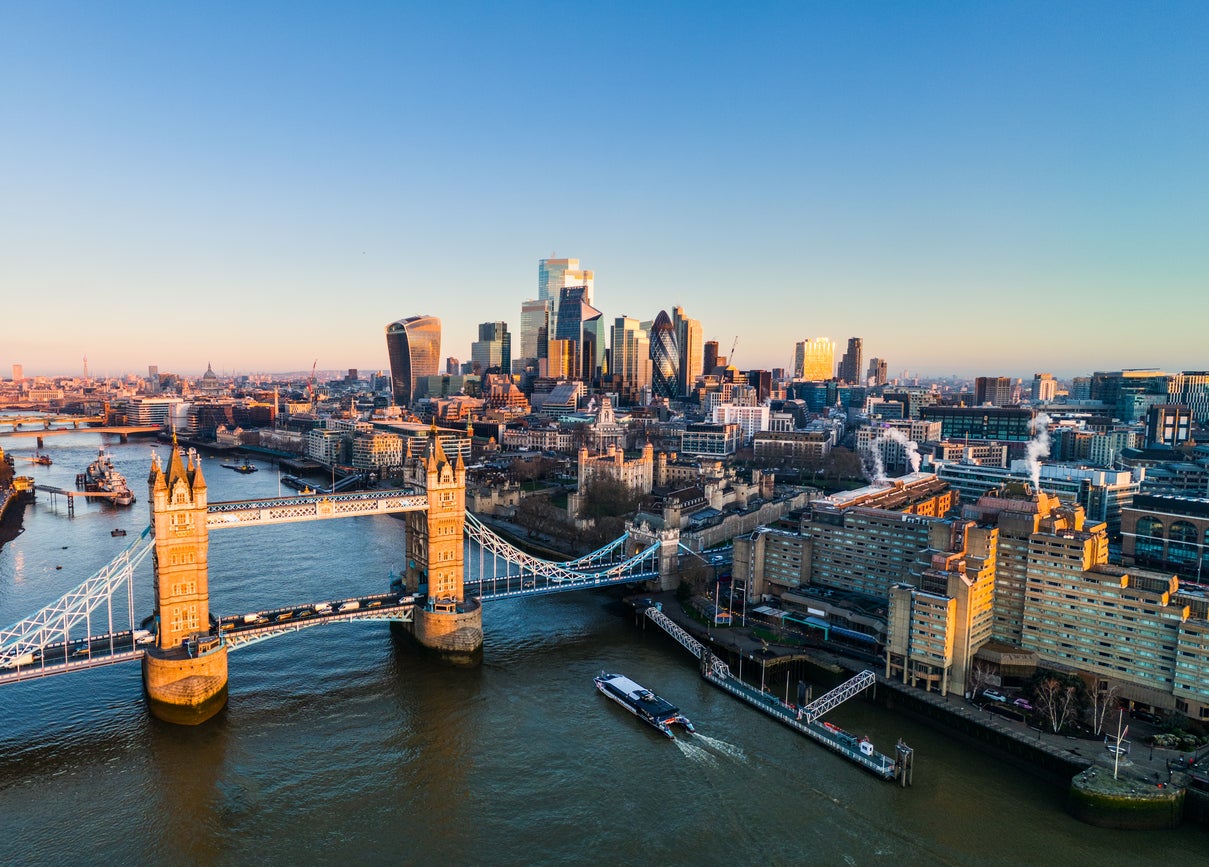 open image in galleryLondon could see a tourist levy being implemented in the future, after the government announced tourist tax powers for mayors (Getty Images)
Sign up to Simon Calder’s free travel email for expert advice and money-saving discounts
Get Simon Calder’s Travel email
Get Simon Calder’s Travel email
Email*SIGN UPI would like to be emailed about offers, events and updates from The Independent. Read our Privacy notice
Tourists in England may be charged a levy on overnight stays after the UK government announced new taxing powers for mayors.
England has joined Scotland and Wales by devolving responsibility to local authorities, allowing them to charge visitors a modest amount.
It’s something you might have spotted in Paris, Barcelona or Amsterdam: an extra fee, added to your nightly accommodation bill. They are typically very small – in France, the amount starts at 50p per night.
The levies are typically collected by hotels or rental properties on behalf of a local authority, and are usually reinvested into the city’s resources.
Before any tourist tax comes into place in England, Edinburgh will become the first UK city to charge visitors for staying overnight under official law in early 2026.
Following on from Scotland, Wales will also start doing the same by 2027. And while England is only in the early stages of consulting on mayor-imposed taxes, some legal loopholes have already allowed cities such as Manchester and Liverpool to charge you a small fee when you stay overnight.
We have compiled the latest information on visitor levies in the UK, such as what areas you can expect an extra charge, why authorities are imposing them and where your money goes once it’s collected.
What is a visitor levy? Is it different to a tourist tax?
The phrases “tourist tax” and “visitor levy” are often used interchangeably, but both refer to the same policy: a levy on the occupation of short-stay accommodation in a local authority area.
The term “visitor levy” is used more often by local authorities in the UK. The language can get confusing as using the term “tourist tax” sounds like it implies those travelling for business would not need to pay; however, levies usually extend to all types of visitors, with a few exceptions. While it will vary between local authorities, those who are exempt from paying levies could include children, those travelling for medical reasons or fleeing from domestic violence.
A visitor levy normally takes the form of a charge per occupied bed or room per night, taxed on short-term accommodation providers such as hotels.
The charge can be a flat rate for the entire duration, or a series of flat rates, for example, £2 per room per night. It can also be set as a percentage of the nightly fee.
Scotland
The Visitor Levy (Scotland) Act became law in September 2024. This allows councils in Scotland to tax overnight accommodation if they wish to do so, and spend the money raised on local facilities and services used by visitors.
They must consult local businesses, communities and tourism organisations before agreeing to introduce the levy in their area.
 open image in galleryGlasgow will introduce a visitor levy in 2027 (Getty Images/iStockphoto)
Currently, no areas in Scotland have a visitor levy in place. In January 2025, Edinburgh became the first area to vote to add a five per cent surcharge on visitors’ overnight stays, but this won’t come into force until July 2026.
Businesses will need to apply the levy to any advance bookings made after 1 October 2025, for stays on or after 24 July 2026.
Glasgow will also have a five per cent overnight accommodation levy from 25 January 2027, while Aberdeen will have a slightly higher levy of seven per cent on overnight stays from 1 April 2027.
Wales
The Visitor Accommodation (Register and Levy) Etc. (Wales) Bill was passed by the Senedd in July 2025, giving power to councils in Wales to introduce a tax on overnight stays.
Like Scotland, no destinations in Wales currently have a tourist tax in place on overnight accommodation, as the earliest a council could implement one is April 2027.
The money raised from levies in Wales will be used to maintain local facilities and infrastructure to improve tourism. Councils must consult residents and businesses if they choose to introduce a fee.
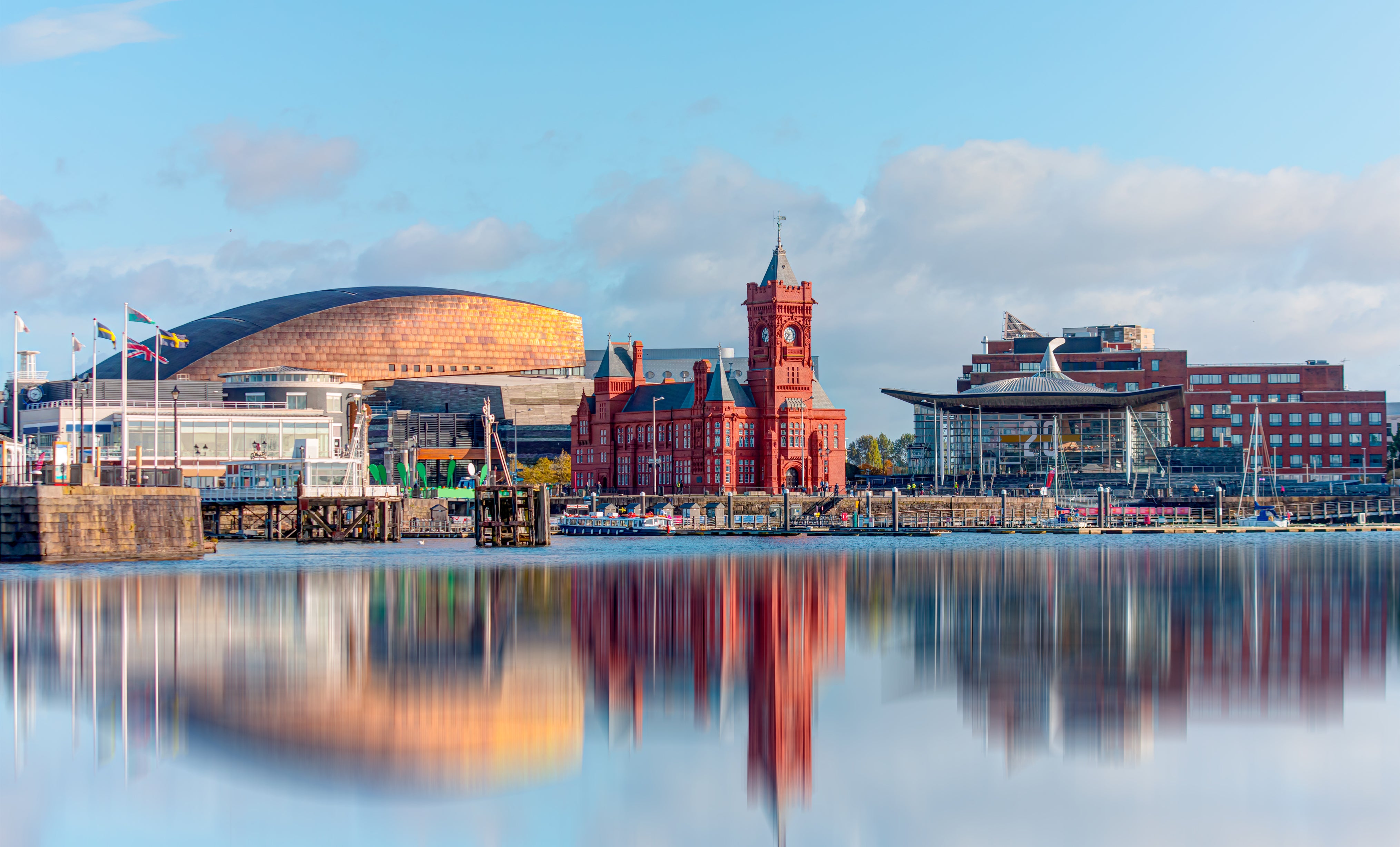 open image in galleryCardiff could introduce a tourist tax if the local council decides to proceed with a consultation (Getty Images)
The visitor levy will be charged per person per night and will be collected by the accommodation provider. For campsite pitches, hostels and dorms, the cost will be 75p per person, per night, while all other types of visitor accommodation will have a £1.30 charge per person per night.
You will not pay the visitor levy in Wales if you are staying for more than 31 nights in a single booking, are in emergency or temporary housing arranged by the council, or are under 18 and staying at a campsite, hostel or dorm.
England
On 25 November, the UK government announced that England’s mayors are set to get new powers that will allow them to impose a new levy on overnight stays.
Businesses, communities and others with an interest in the measure will now be able to have their say on how it should work, with a consultation running for 12 weeks. The consultation will close on 18 February.
However, some city councils, like the ones in Manchester and Liverpool, had already introduced a form of tourist tax via a legal workaround using an Accommodation Business Improvement District (ABID).
Who supports the England tourist tax?
From local councillors to members of parliament, many have long voiced their support for a tourist tax in England.
Mayor of London Sadiq Khan said: “Giving mayors the powers to raise a tourist levy is great news for London.
“The extra funding will directly support London’s economy, and help cement our reputation as a global tourism and business destination,” he said.
The mayor added: “As part of developing our plans for the levy, we will work closely with the hospitality and tourism sectors to ensure it delivers the maximum benefits for London and our brilliant businesses.”
In June 2025, several mayors from across the country supported a campaign led by Liverpool mayor Steve Rotheram. At the time, they said that England is “at risk of falling behind” as Scotland and Wales move ahead with their own tourist taxes.
In light of the new announcement, Mr Rotheram said: “I’m pleased that the government has listened and acted – giving areas like ours the powers we need to support and grow our economies in a sustainable way.
“Our visitor economy is worth more than £6bn a year and supports over 55,000 local jobs.”
Mayor of Greater Manchester Andy Burnham also commented, saying: “The levy will allow us to invest in the infrastructure these visitors need, like keeping our streets clean and enhancing our public transport system through later running buses and trams.”
Who is against tourist taxes?
Not everyone is excited by the prospect. Trade body UKHospitality said that the introduction of a tourist tax is a “shocking U-turn” by the government. As recently as in September, Minister for Business and Trade Chris Bryant said that there were “no plans” to introduce such a levy.
Kate Nicholls, Chair of UKHospitality, said if, for example, mayors proposed a five per cent levy on overnight stays, “it could cost the public up to £518 million in additional tax when they travel in the UK and have knock-on impacts for the wider hospitality sector.”
Meanwhile, trade association UKinbound has warned that the added fee may put too much financial pressure on tourists, while warning of the administrative burden of collecting the tax.
"We urge the UK Government to work closely with industry to avoid measures that could make the UK less competitive,” Joss Croft, CEO of UKinbound, commented.
Travel and tour association Abta has also raised concerns that the combination of high rates of VAT with a visitor levy could worsen the UK’s tourism competitiveness, while businesses such as rental agency Sykes Holiday Cottages said the tourist tax is a “further blow” to the country’s staycation industry.
What is an Accommodation Business Improvement District?
In a Business Improvement District (BID), local enterprises pay into a fund for community projects that will, in turn, benefit them. The Accommodation Business Improvement District (ABID) is a version of this for hotels.
BIDS are independent not-for-profits, so the levy isn’t established or run by local authorities. The levy in both Liverpool and Manchester was put in place by the ABIDs, which are run by boards.
What are the current tourist tax rules in Liverpool?
As of June 2025, guests staying in around 100 Liverpool ABID hotels pay a £2 per night fee. The group says this will bring in £9.2m over two years, of which £6.7m will go towards supporting the city’s visitor economy.
Authorities do not think that Liverpool is suffering from overtourism, but the ABID levy is part of a strategy to spread out the flow of visitors.
Bill Addy, CEO of Liverpool BID Company, explained that it is currently focused on attracting business events mid-week to support quieter times.
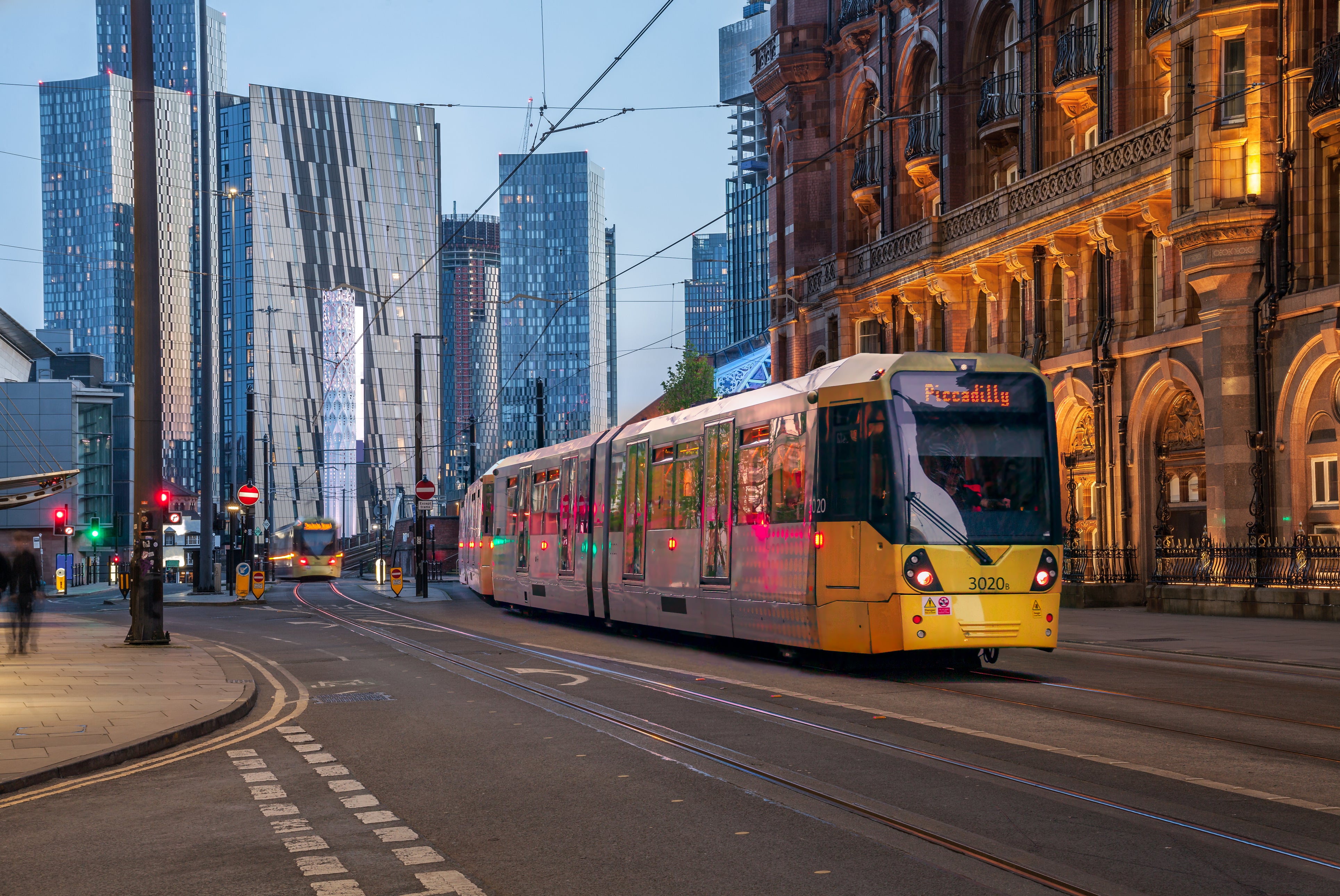 open image in galleryManchester was the first place in England to set up an Accommodation Business Improvement District (Getty Images)
“This is because our corporate base isn’t as strong as it could be. The board of hoteliers is an invaluable source of understanding for both how the city ebbs and flows and its busiest times and trends,” he told The Independent.
Mr Addy also stated that Liverpool’s hospitality businesses “are in crisis”, so the BID is trying to reinvest in the tourist experience in the city – encouraging return visits.
After the BID levy was introduced this summer, Mr Addy said Liverpool has had the best July on record in terms of room bookings.
“That speaks for itself. Tourists are used to city charges; ours is a minimal, fixed fee that is easily communicated and absorbed. We are not using it to deter tourists, so that’s important to us.”
He also argued that local ABIDs are preferable to a nationwide law. “We believe a model where the private sector can invest directly into visitor economy support is the better model.”
“Business Improvement Districts have to be accountable and transparent, and it means we can share the details of investment. It also allows for a hyperlocal approach that is both flexible and reactive,” he said.
What are the tourist tax rules in Manchester?
Over in Manchester, guests staying in paid accommodation within the Manchester ABID zone have to pay an additional £1 per room, per night.
Manchester ABID said that the levy has been “warmly welcomed” by guests and accommodation providers alike, with funds generated from this levy being used to support bids for awards ceremonies such as the Brit Awards and NBA sports events.
Northern Ireland
A spokesperson from Northern Ireland’s Department for the Economy said: “No plans are under consideration to introduce a tourism levy in the north.”
Read more: Labour announces ‘tourist tax’ to boost England’s cities
More about
tourist taxHotelManchesterLiverpoolJoin our commenting forum
Join thought-provoking conversations, follow other Independent readers and see their replies
Comments