 By Micah McCartneyShareNewsweek is a Trust Project member
China is rapidly narrowing the military power gap with the United States in the Indo-Pacific region, according to a new ranking by Australia's Lowy Institute think tank.
Why It Matters
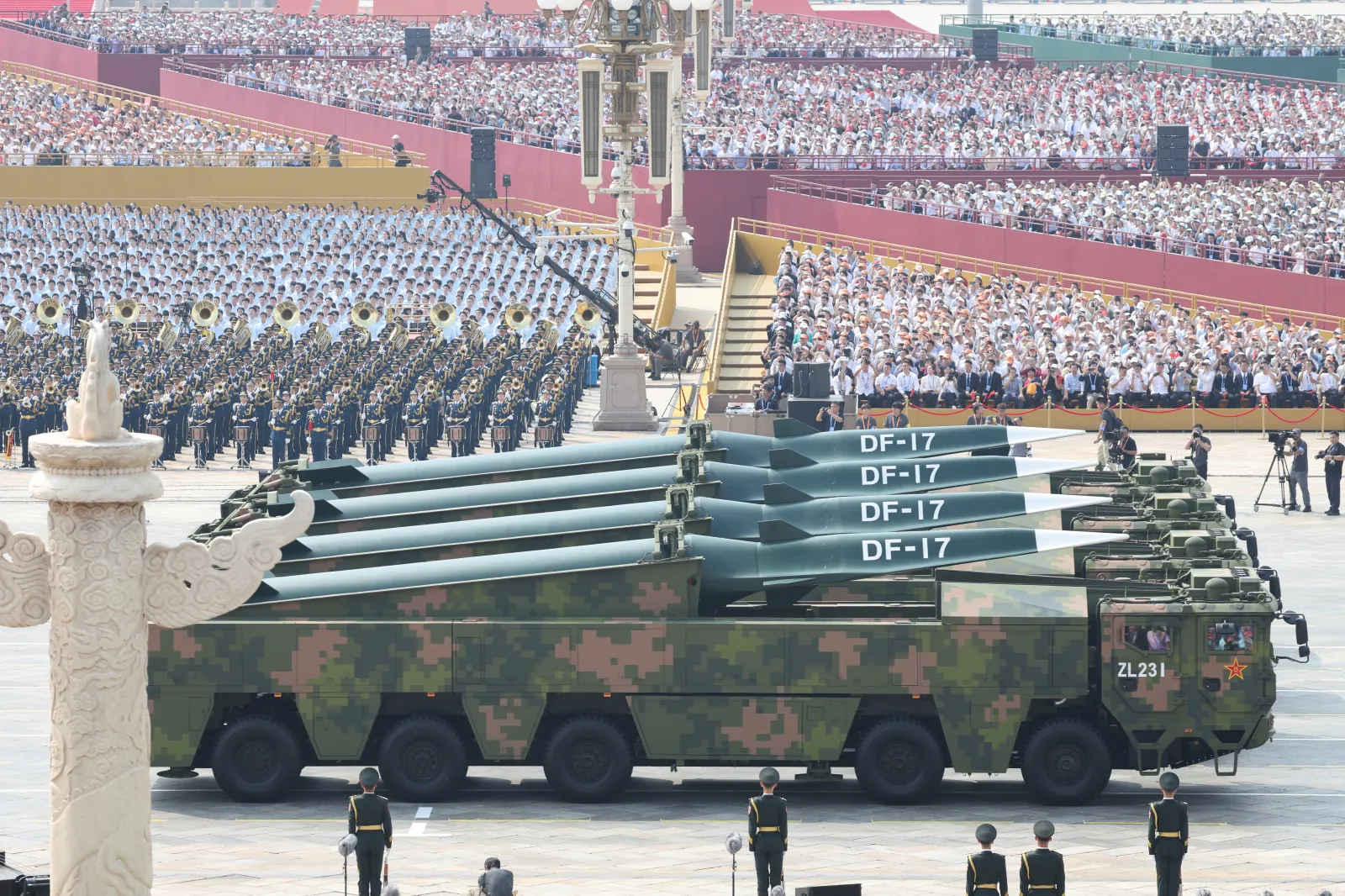
China under President Xi Jinping has outlined its goal of building a "world-class" military by 2049 and continues strengthening its regional posture while acquiring capabilities designed to raise the cost of U.S. intervention in a potential conflict.
In response, the United States has increased the pace of joint military exercises and expanded arms sales and deployments to regional partners—steps Beijing warns are destabilizing.
Still, some in Washington argue current policy lacks coherence, especially regarding flashpoints like the Taiwan Strait and China's territorial disputes with U.S. treaty ally the Philippines in the South China Sea.
 ...
...Newsweek has contacted the Pentagon and China’s Ministry of National Defense for comment.
What To Know
“China continues to erode the U.S. advantage in terms of military capability,” wrote the Sydney-based Lowy Institute in its annual Asia Power Index. “In 2025, the United States’ lead for this measure is just two-thirds of what it was in 2017.”
Military capability was among eight measures the think tank considered while evaluating the relative clout of the 27 governments on its list, using weighted scores across categories, including defense spending, armed forces size and structure, weapons platforms, technological capabilities and military posture in Asia.
China’s gains are driven by advances in air and naval warfare, the study's authors said. They also cited analysts crediting Beijing with improvements in technology and sustainment, particularly in long-range systems and area-denial capabilities.
“While Washington’s strategic focus is global, Beijing’s military resources are concentrated closer to home,” the authors wrote.
Russia was assessed as having the third-greatest military advantage, with a score of 55.4, followed by India at 48.0 and South Korea at 33.2.
The U.S. maintained a significant advantage in the “defense networks” category, which evaluates alliances, arms transfers and defense diplomacy as force multipliers. In this area, the U.S. led with 81.4. Australia (62.6) and Japan (56.5) ranked second and third, respectively. China, with a score of 18.9, lagged far behind with the eighth-strongest defense network.
In 2025, the United States, with an overall score of 80.4 points, lost ground but remained at the top of Lowy's Asia Power Index, which ranks countries by comprehensive power including economic capability, military capability, resilience, future resources, economic relationships, defense networks, diplomatic influence, and cultural influence.
America and China (73.7) were the only two superpowers on the list and India (40) the only major power in the wider Asia-Pacific region. Rounding out the top five were Japan (38.8) and Russia (32.1), both classified by Lowy as middle powers.
What People Are Saying
Chinese Defense Ministry spokesperson Zhang Xiaogang told reporters in June: "China has always been a guardian and builder of peace and development in the Asia-Pacific region. The Chinese military will work together with regional countries to oppose hegemonism that harms the Asia-Pacific, to resist the introduction of geopolitical conflicts into the region, and to oppose any country or force that seeks to provoke chaos or conflict here."
The U.S. Office of the Director of National Intelligence wrote in its annual assessment in March: "The People's Liberation Army is fielding a joint force that is capable of full-spectrum warfare to challenge intervention by the United States in a regional contingency, projecting power globally, and securing what Beijing claims is its sovereign territory."
What Happens Next
China continues expanding its military capabilities at a rapid clip, thanks to a defense industry that is rivaling the U.S. in output. It remains to be seen whether the U.S.—which lags behind in industrial capacity and is preoccupied with multiple current and potential conflict zones around the world—can retain its posture in the Indo-Pacific.
Request Reprint & LicensingSubmit CorrectionView Editorial & AI Guidelines Add Newsweek as a preferred source on Google to see more of our trusted coverage when you search.
Recommended For You
WorldChina Closes Military Power Gap With US4 min read WorldNATO Country Stops Using Fighting Vehicle After Vibrations Make Troops Sick2 min read
 PoliticsHow China’s Growing Nuclear Strength Is Keeping Russia in Check11 min read
 AnalysisSudan Divided Again Tests Trump’s Peace Plan and Puts Africa on the Brink12 min read
 WorldNATO Nation Bordering Russia Boosts HIMARS Arsenal4 min read
 PoliticsCourt Rules Virginia Giuffre Died Without a Will, Appoints Administrator5 min read
Related Podcasts
Top Stories
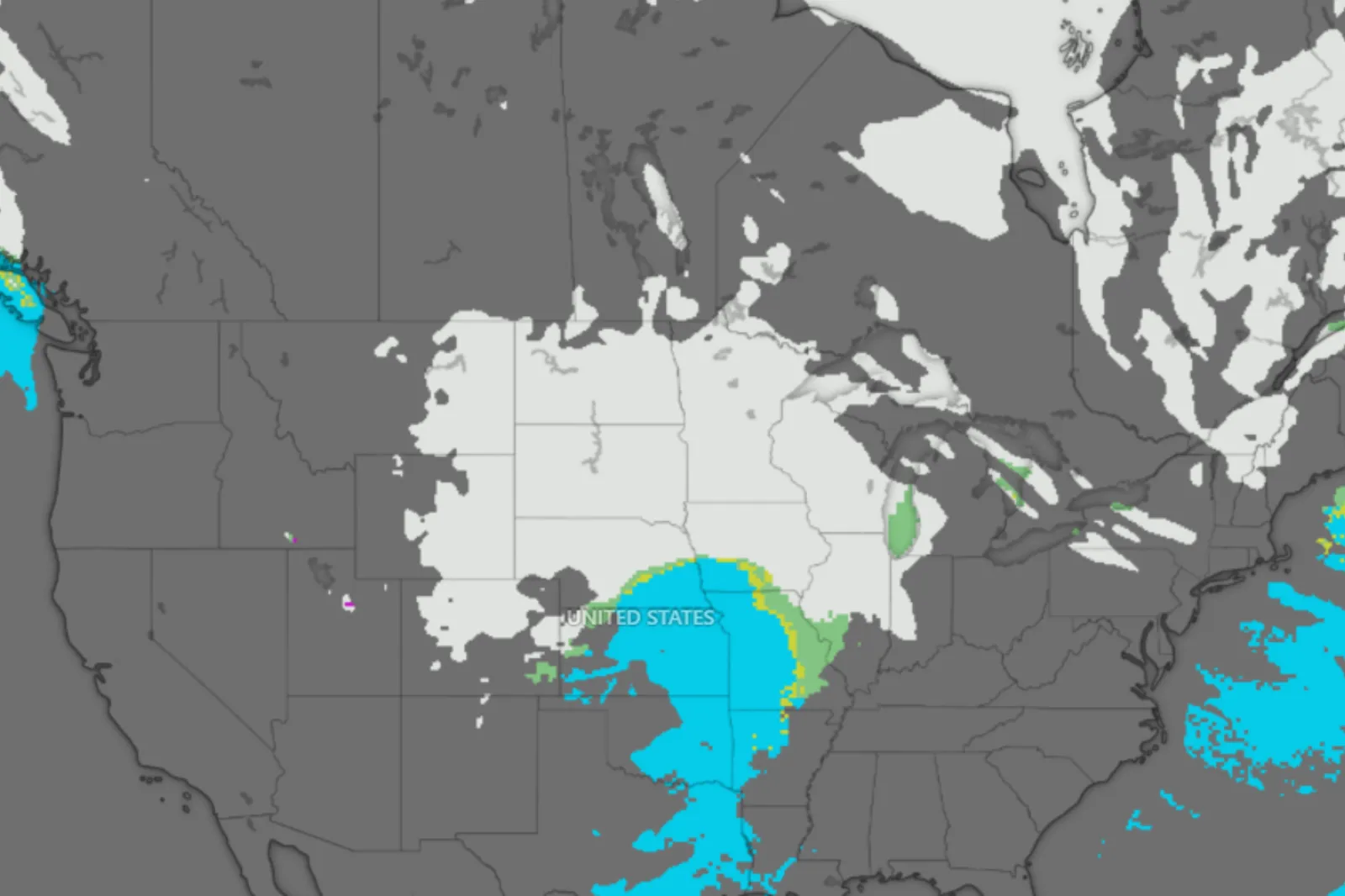 Live BlogThanksgiving Winter Storm Live Tracker, Updates as Heavy Snow to Hit1 min read
 WorldTrump Sending Witkoff to Moscow, End of Russia-Ukraine War in Reach—Live3 min read
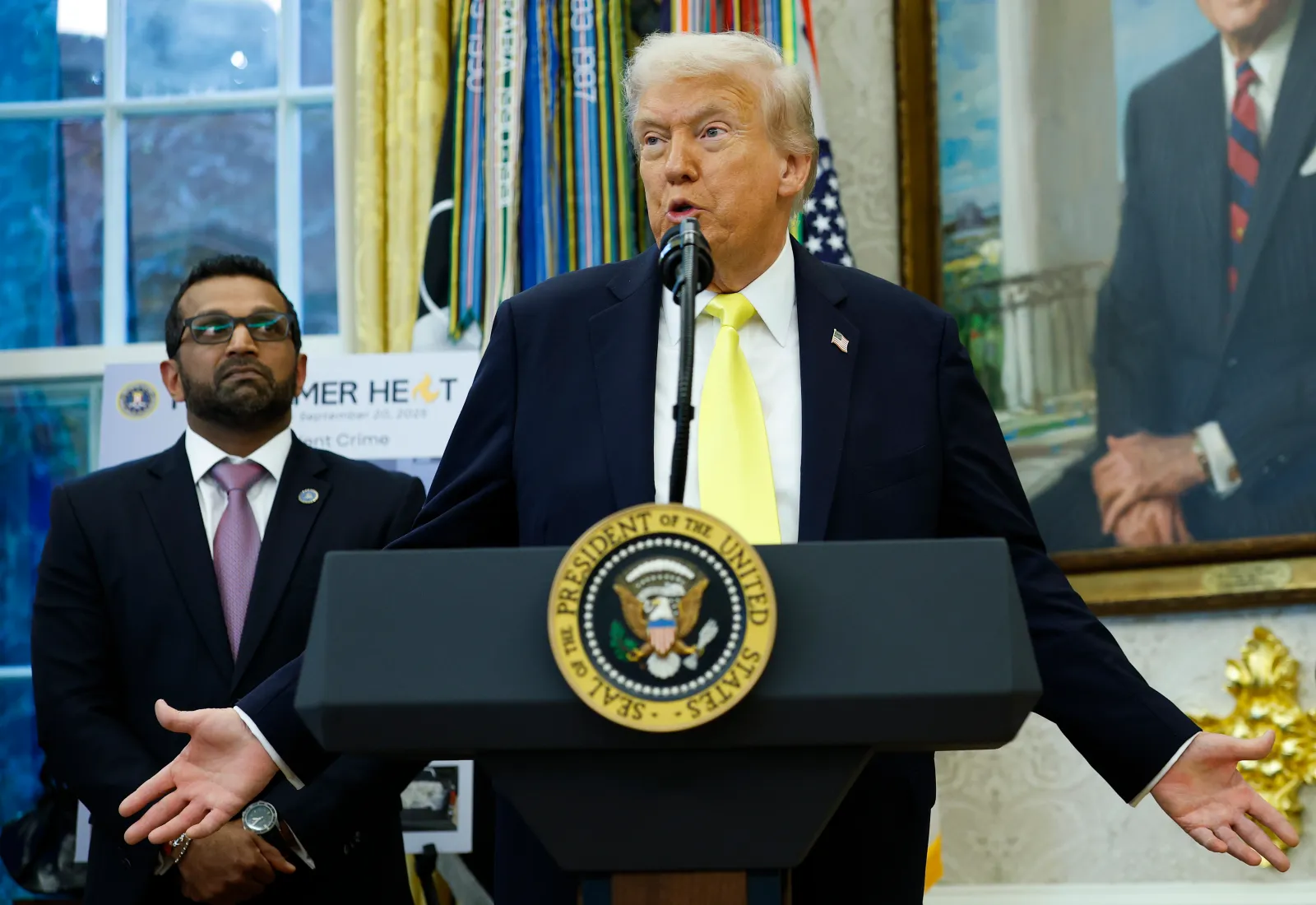 NewsDonald Trump Responds to Kash Patel Firing Rumors2 min read
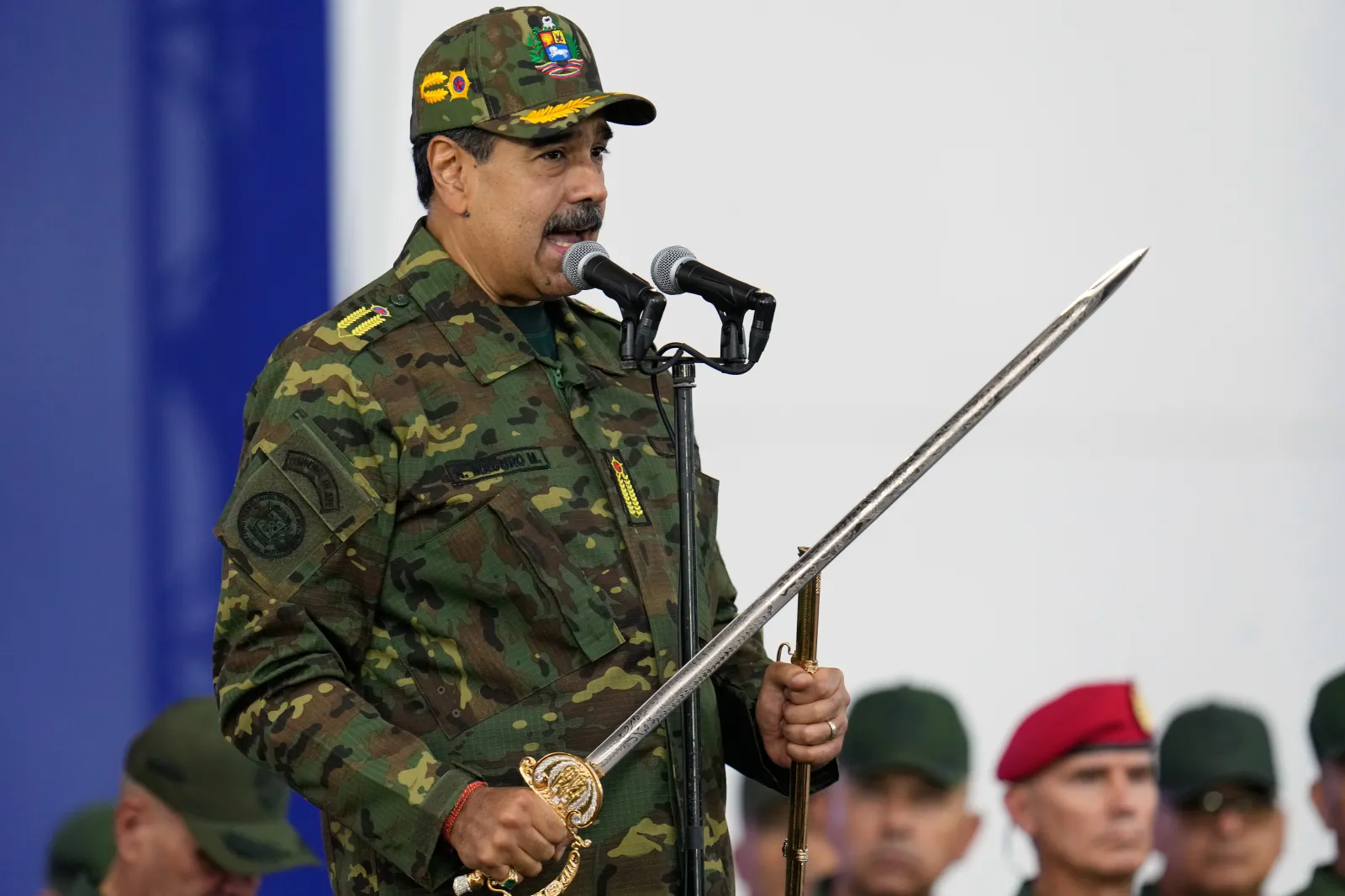 NewsDefiant Maduro Rallies Venezuela for US War4 min readPoliticsHow China’s Growing Nuclear Strength Is Keeping Russia in Check11 min read
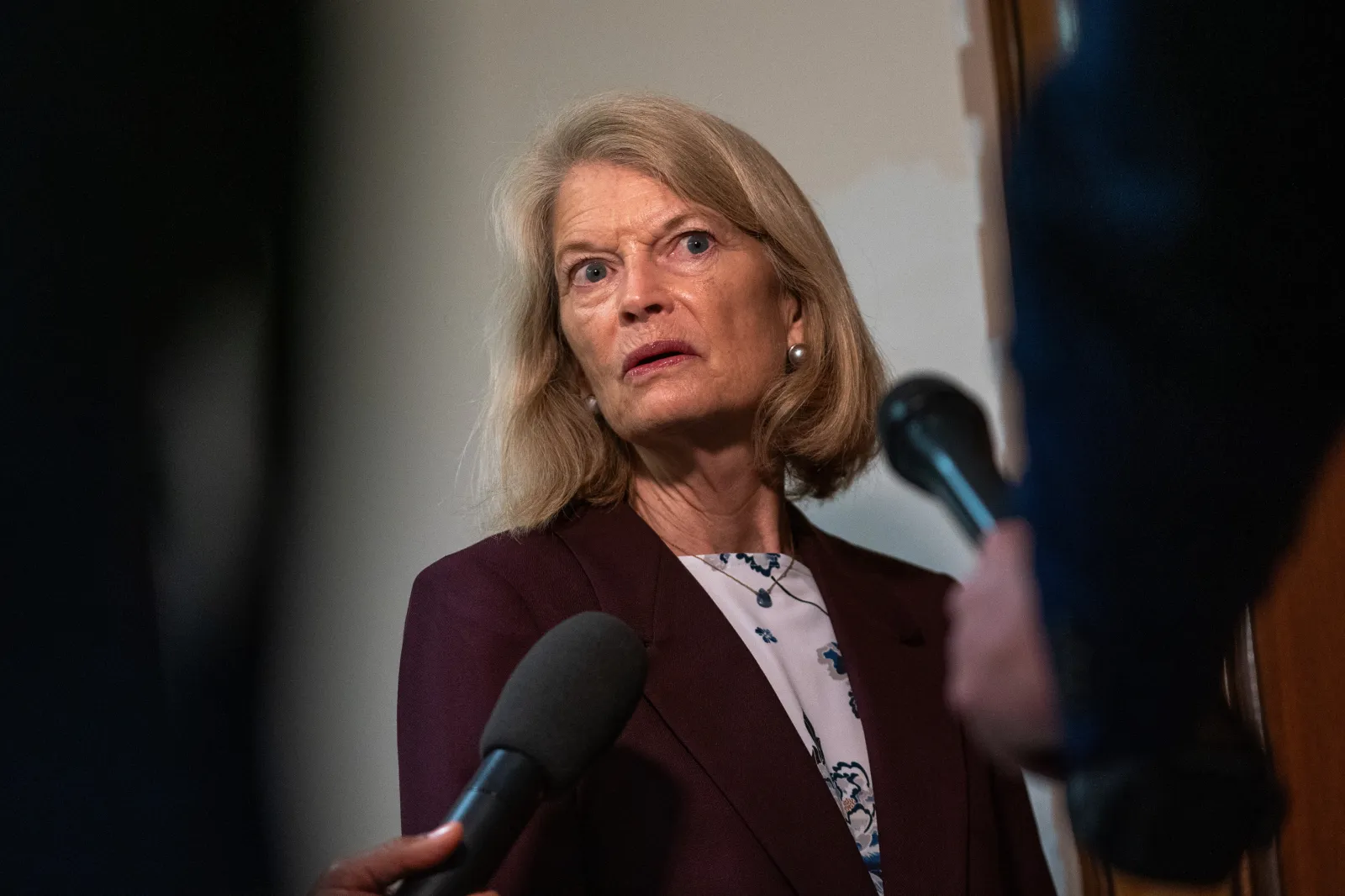 NewsGOP Senator Defends Mark Kelly, Calls Treason Accusations ‘Reckless’4 min read
Trending
 MoneyNew ‘Cash Law’ Could Change Grocery Store Rules3 min read
 SnowfallWinter Storm Warning Issued As 25 Inches of Snow To Strike5 min read
 U.S. Economy‘Mass Blackout’ Starts Today: What to Know3 min read
 Home PricesPrice Correction ‘Worse Than 2008’ Coming To US Housing Market—Analyst5 min read
 ArkansasRepublican Switches Party To Democrats Amid Concerns About Affordability3 min read
Opinion
 OpinionWhen Strength Becomes a Burden—Reimagining the Strong Black Woman | Opinion4 min read
 OpinionConventional Wisdom: Trump Turkey Pardoning Edition3 min read
 OpinionDoes the US Need a Third Political Party? Newsweek Contributors Debate5 min read
 OpinionGOP Rep.: The U.S. Must Close Critical AI Chip Export Loophole Exploited by China | Opinion5 min read
 OpinionAgriculture Secretary: Giving Thanks to the American Farmer This Thanksgiving | Opinion4 min read