- Asia
- Southeast Asia
New regulations outlaw trade and slaughter of animals deemed high-risk for rabies transmission
Namita SinghWednesday 26 November 2025 09:41 GMTComments
 CloseRelated: Moment South Korean parliament endorses landmark legislation banning dog meat industry
On The Ground newsletter: Get a weekly dispatch from our international correspondents
Get a weekly dispatch from our international correspondents
Get a weekly international news dispatch
Email*SIGN UPI would like to be emailed about offers, events and updates from The Independent. Read our Privacy notice
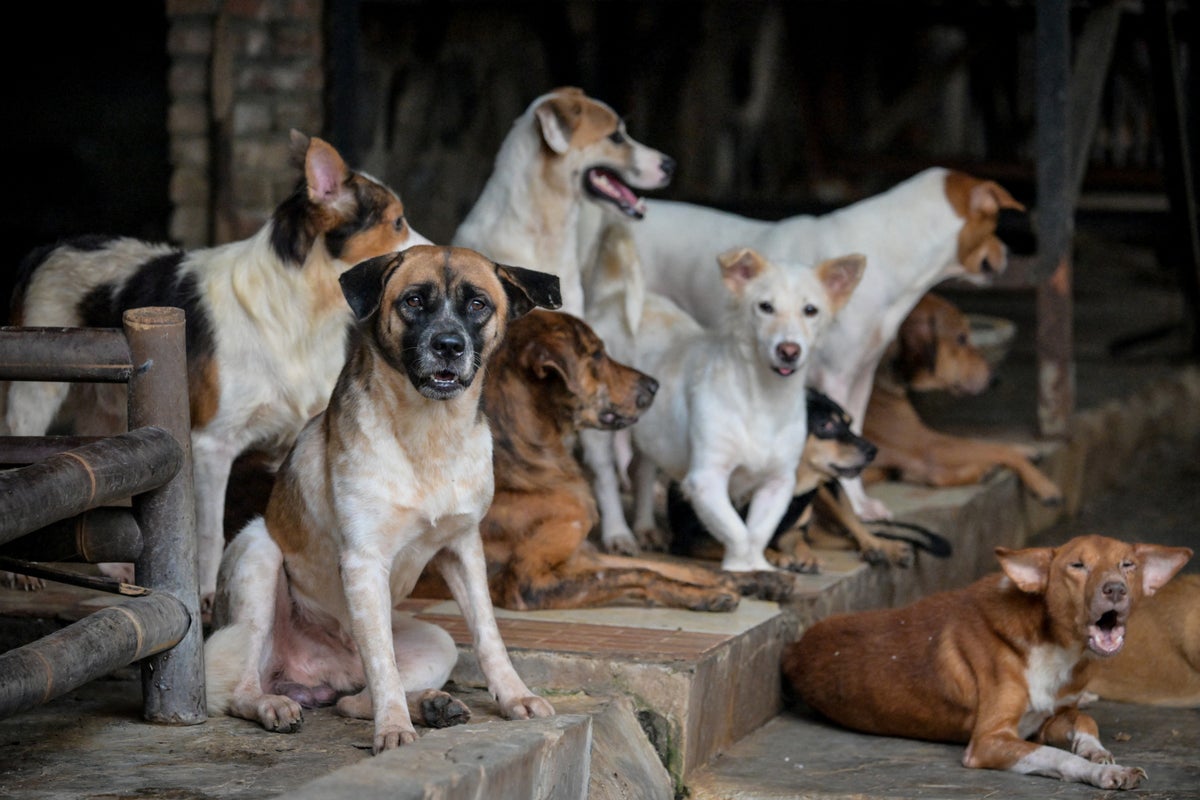
Jakarta has outlawed the sale and consumption of dog, cat and bat meat, introducing one of Indonesia’s most sweeping measures yet to curb rabies and regulate its controversial meat trade.
Governor Pramono Anung signed the prohibition into force on 24 November, with Jakarta officials later confirming that the ban is now active.
The new regulation bars the sale of any rabies-transmitting animals for food – a category that includes dogs, cats, monkeys, bats, civets and similar species – and extends to all live animals, carcasses, and raw or processed products.
Mr Anung said the measure fulfilled a commitment he had made to animal welfare activists who petitioned him in October.
“When receiving the animal lovers, I promised them to establish a governor regulation,” he told Antara News, adding that their advocacy prompted him to move quickly.
The ban introduces a graduated enforcement system, according to Jakarta Globe.
First-time offenders will receive a written warning, and any animals or meat found with them will be seized for observation, particularly where signs of rabies are present.
 Dog meat enthusiasts enjoy a dish at a food stall in Jakarta (AFP via Getty)
A second breach triggers full confiscation of stock. Continued violations can lead to business closures, and further non-compliance may result in the permanent revocation of business licences.
A six-month grace period will apply before active enforcement begins, according to the AFP, though the regulation itself is already in effect.
Officials say the transition window is intended to allow businesses to adjust and for authorities to prepare monitoring mechanisms.
Indonesia remains one of the few countries where dog or cat meat is still sold for consumption, although public opposition has grown and several municipalities have introduced local bans in recent years.
Dogs are considered unclean under mainstream Islamic teaching – Indonesia is the world’s largest Muslim-majority country – and are rarely kept as household pets, but dog meat persists as a delicacy in certain regional communities and as a low-cost protein source in parts of Asia.
Animal-rights groups hailed Jakarta’s move as a major breakthrough. Dog Meat Free Indonesia told AFP that the new policy “aligns with the mandate of the constitution to protect all Indonesian people and to become a just and civilised nation”.
Rabies remains a significant public-health concern in Indonesia, where dozens die each year from the disease.
The World Health Organization attributes several dozen annual deaths to rabies across the archipelago, while the health ministry recorded 25 fatalities between January and March 2025 alone.
The Jakarta administration says the new regulation is designed to strengthen public-health safeguards and reduce opportunities for the virus to spread via animal handling and slaughter.
“I hope this helps protect and improve the health of Jakarta residents,” the governor said in a statement posted on his official Instagram account.
More about
IndonesiaJakartaRabiesJoin our commenting forum
Join thought-provoking conversations, follow other Independent readers and see their replies
Comments