By Giulia Carbonaro in Shore Acres, FloridaShareNewsweek is a Trust Project member
Driving through the tranquil streets of Shore Acres, Florida, one is immediately struck by the idyllic beauty of this coastal neighborhood at the eastern edge of St. Petersburg.
Standing proud in rows of perfectly mowed lawns, bright white homes are basking in the sun of a peaceful late fall morning, the water of the nearby canal gleaming invitingly.
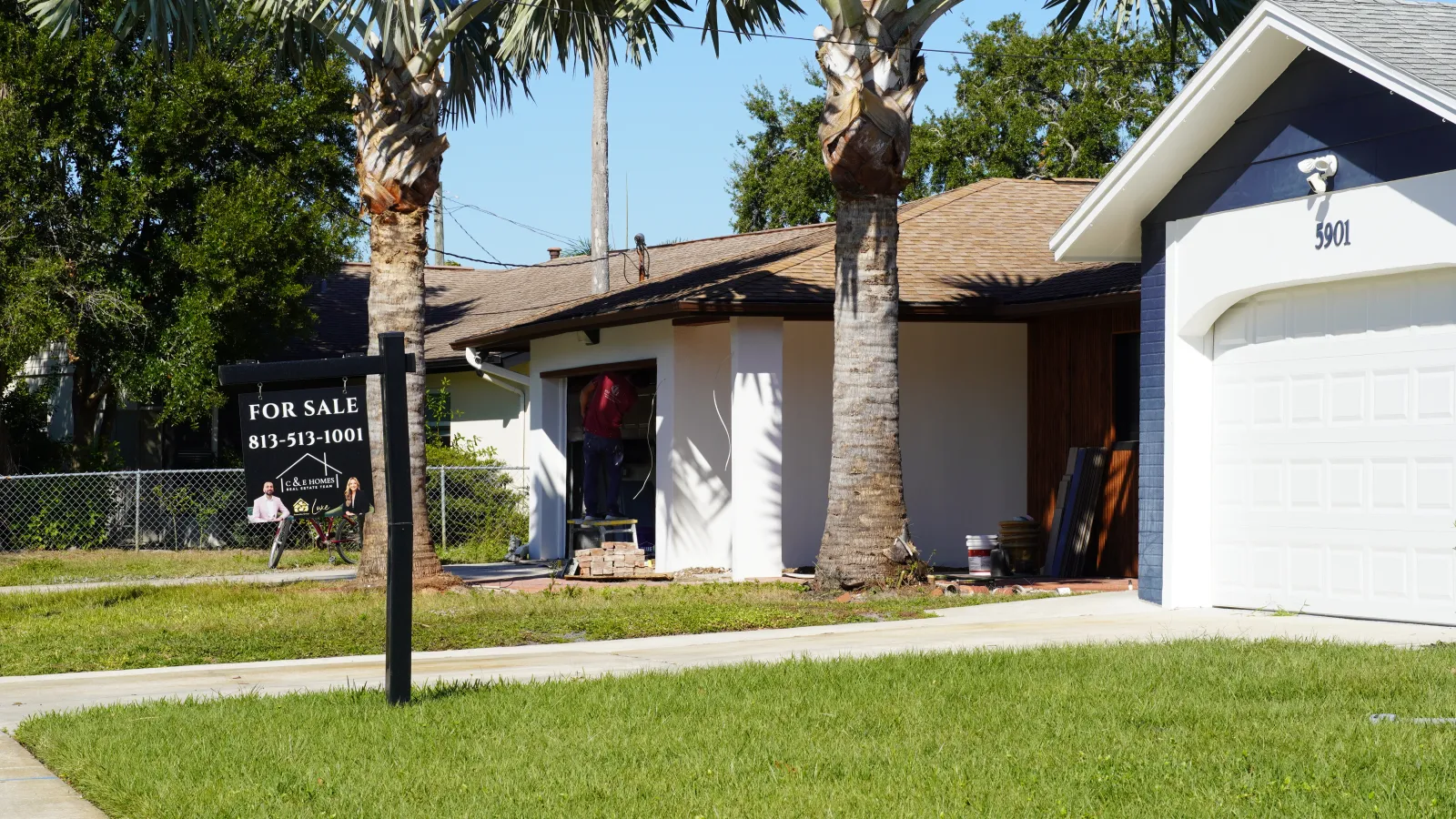
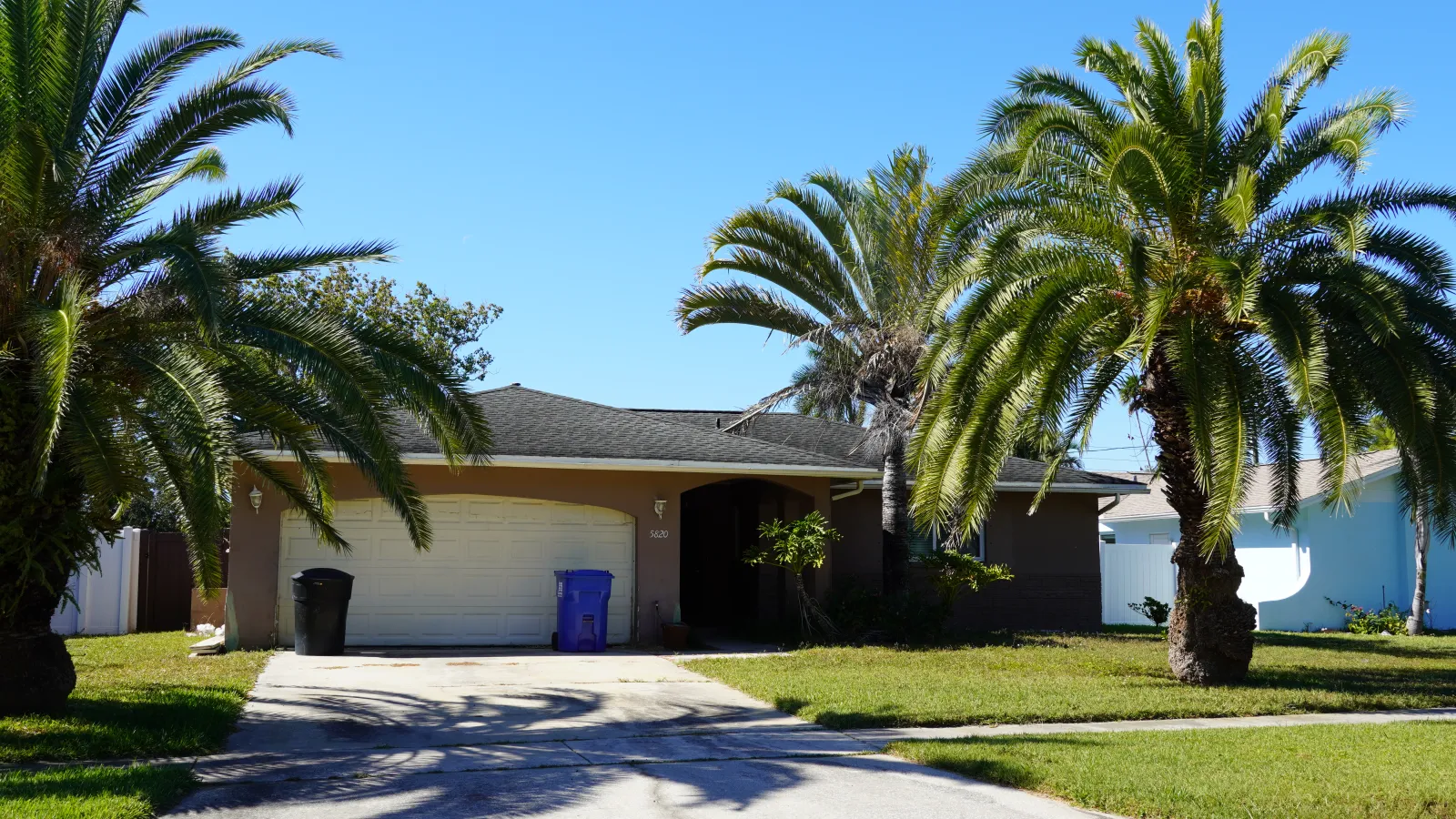
But soon a troubling pattern starts to emerge: one in every few homes has a porta potty outside, the tell-tale sign of construction works going on inside. One boasts a for-sale sign on the front lawn. Another is eerily quiet and apparently abandoned, the trees framing the front door drooping with neglect and the windows boarded up.
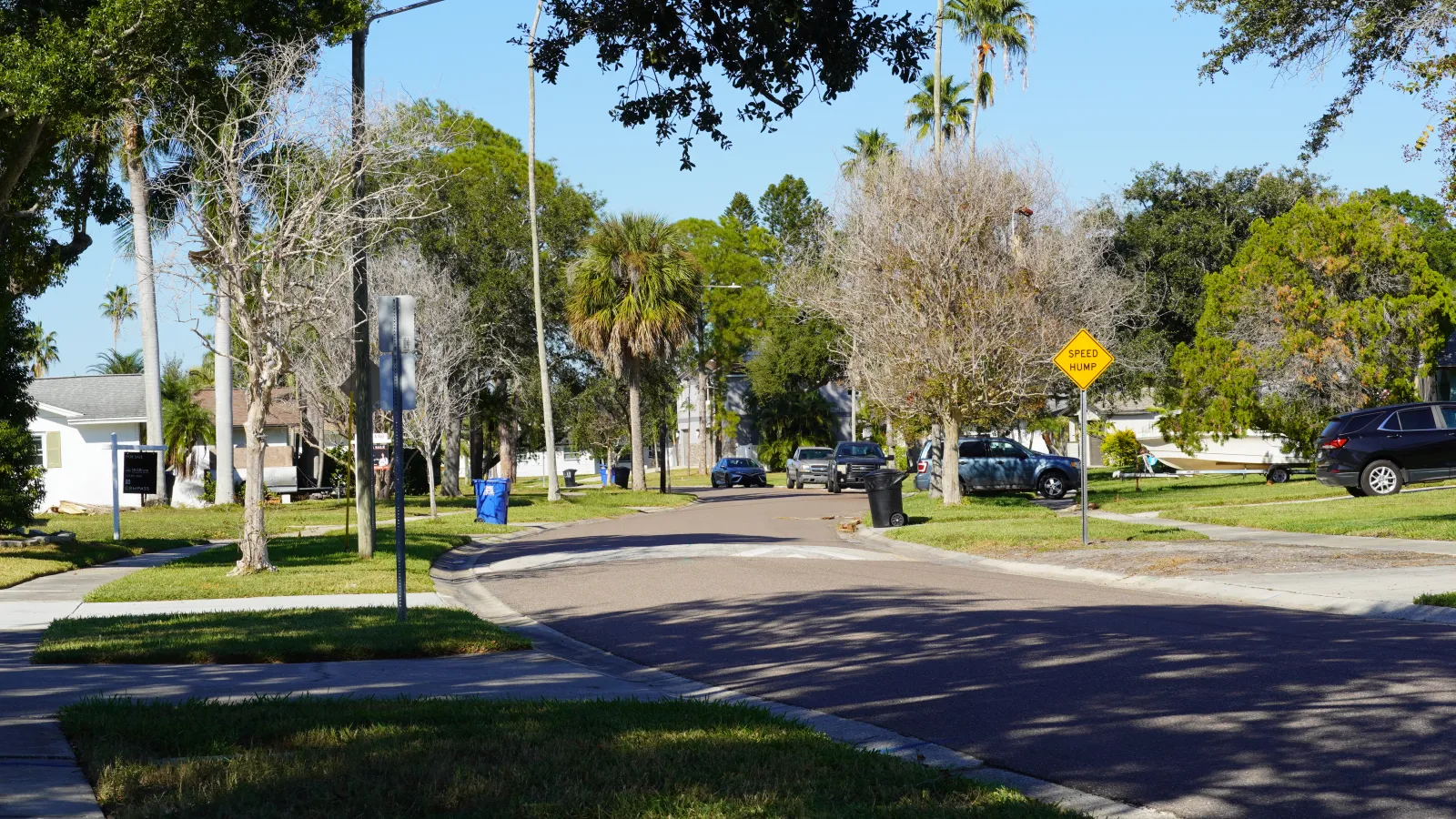 ...
...These are what the locals call “zombie homes”: properties left in a hurry—sometimes regretfully so—by the previous owners after Hurricanes Helene and Milton swept them last year.
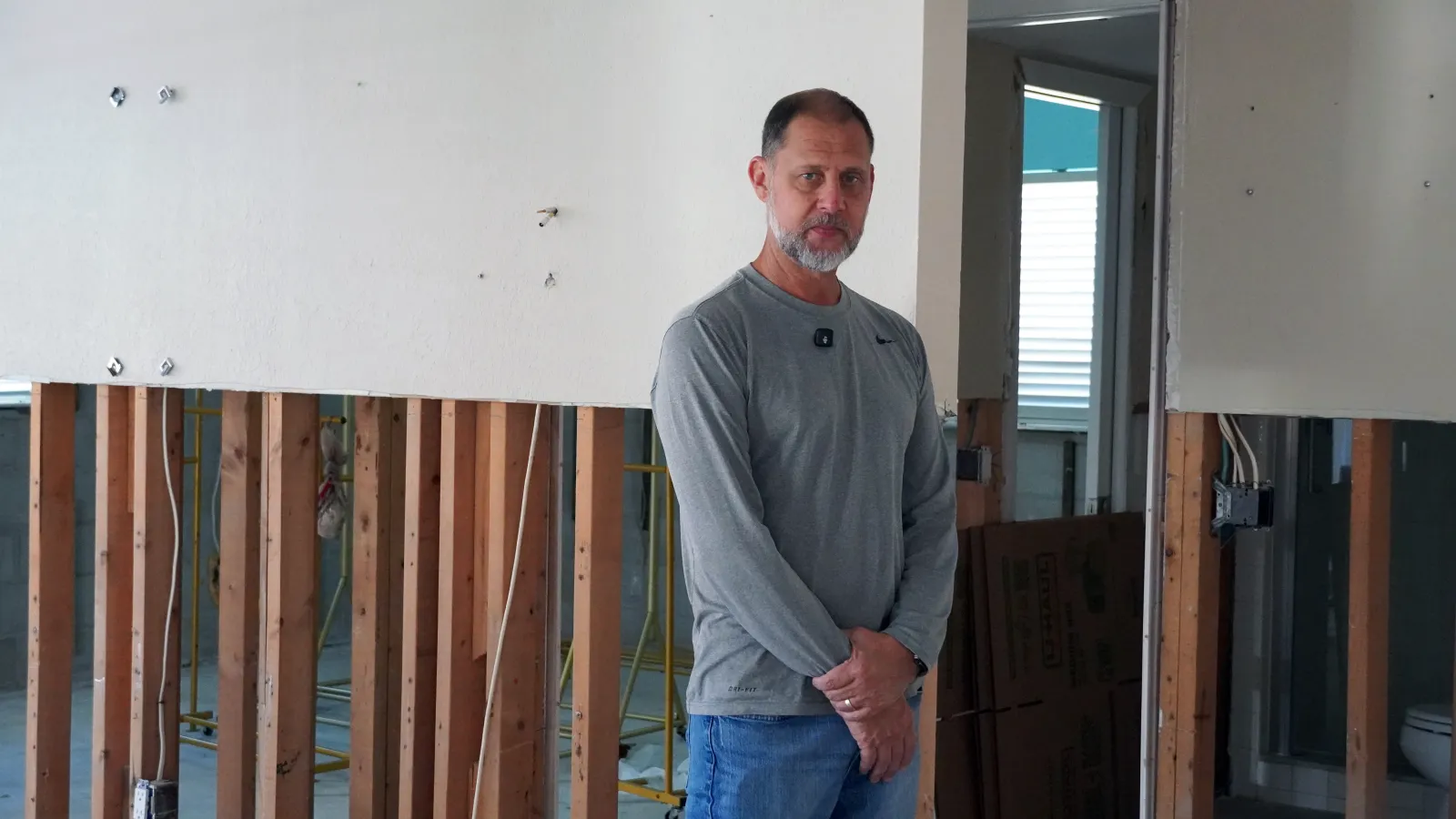
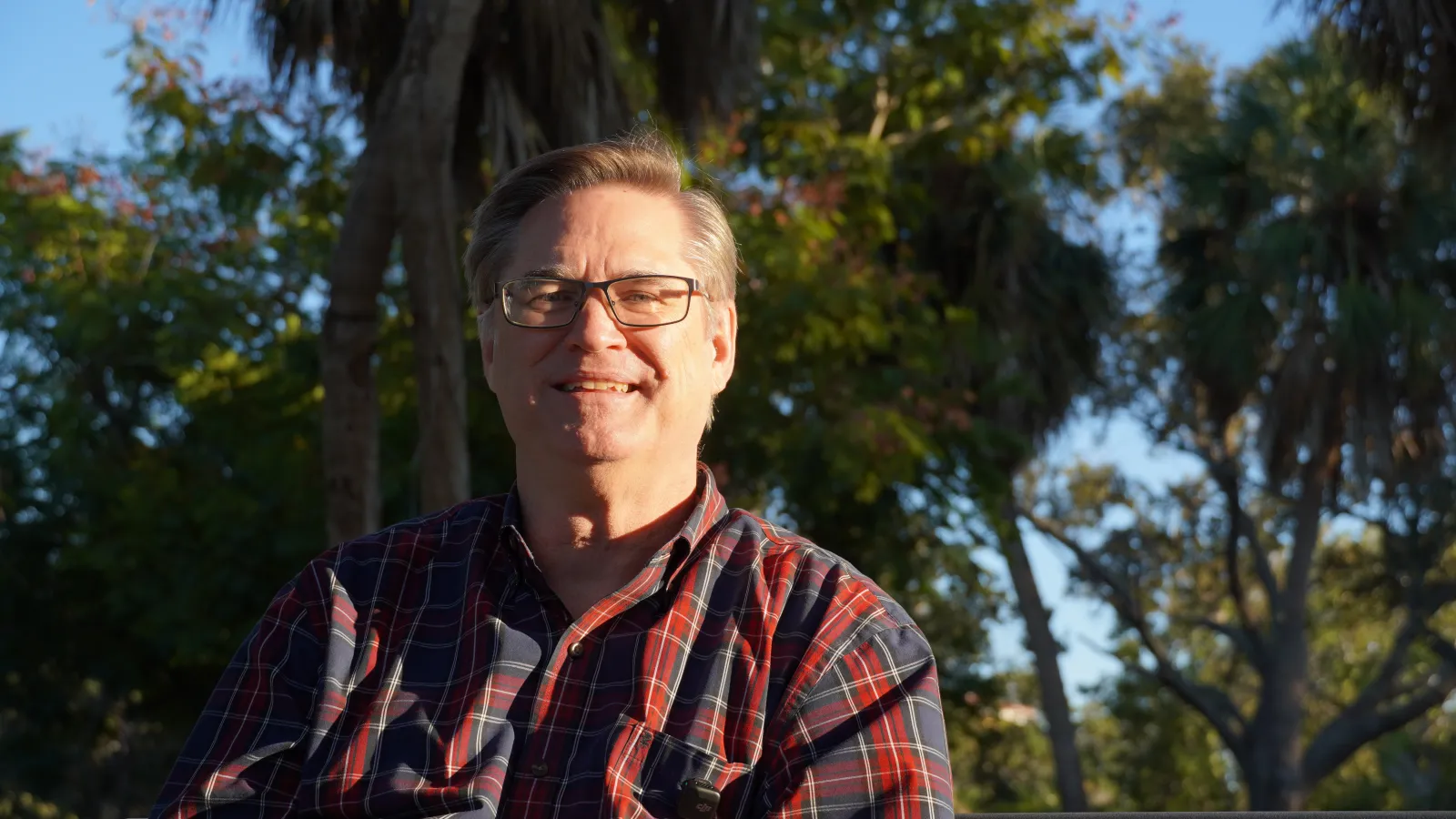
“Probably a third or a half of the residents either moved or are not currently back,” Brian Martin, whose home was damaged in the flooding last year, told Newsweek.
“The neighbor facing away from our street to the right, they sold right after [the flood] because they had two floods, they were just sick of it. They sold it to an investor,” he said. “Our neighbor to the left, she’s applying for a federal program to elevate her home, but the house is sitting vacant."
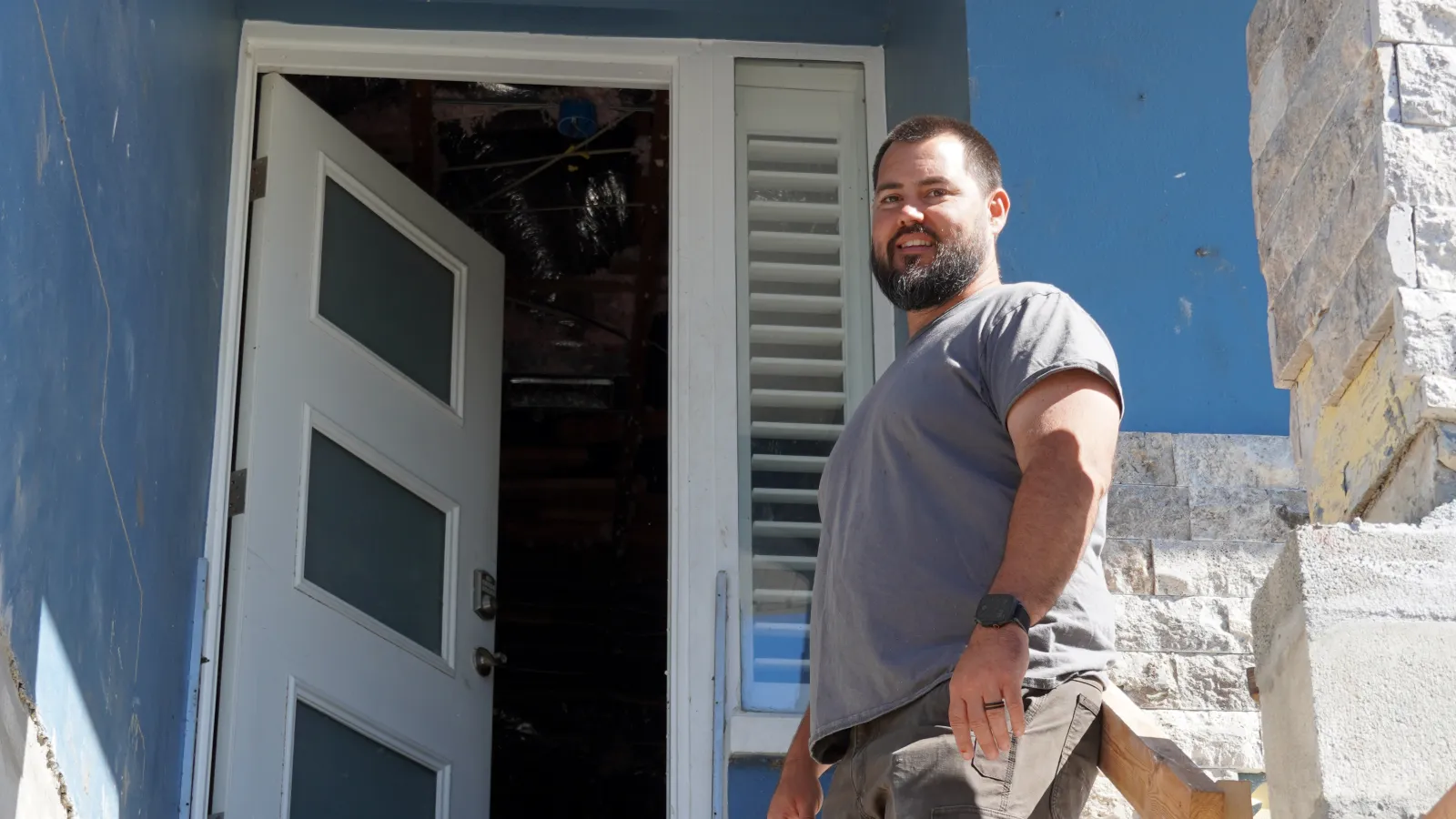
“The last time that I saw any information about that was that approximately 40 percent of our neighborhood was for sale,” Jason Nash, another affected Shore Acres homeowner, told Newsweek. “There’s a lot of people that have lived back here for 50, 60 years that are older and just couldn't go through it again.”
 ...
...A ‘True’ Neighborhood Ripped Apart By The Flood
Nash, who is currently living with his wife in a rental unit in a nearby town while holding on to his storm-damaged property, has lived in Shore Acres since 2009. “That would be 16 years, minus one, because we’ve been out of this house for a year now,” he specified.
He said that Shore Acres has always been a tight-knit community.
“It’s a true neighborhood, that’s the easiest way to say it,” he told Newsweek. “Where you know most people and everyone’s waving at each other. You meet your neighbors, you hang out with them.”
 ...
... ...
...Martin and his wife, Dr. Meghan Elizabeth Beach Martin, bought their home in Shore Acres in 2006. “My wife and I have four kids—a 15-year-old, a 14-year-old, a 10-year-old and an 8-year-old—so we had a four-bedroom house. It’s big for the neighborhood. It’s near a local school that has really good ratings. We picked the area because it’s nice, kids love it,” he said.
“This is one of the fewer neighborhoods—at least before the last big flood—where a lot of people have lived for 30+ years. A lot of places in Florida, people come and go every five years,” he added.
“The neighborhood has a really good sense of community. But I’m kind of nervous that we’re losing it. A lot of people are moving because they are tired of the flooding.”
The problem started with Helene.
“Helene flooded 82 percent of Shore Acres—2,200 homes had water in them,” Kevin Batdorf, president of the Shore Acres Civic Association and a resident of the neighborhood for 40 years, told Newsweek.
“Many had four-and-a-half feet or more. Most of them had a minimum of two-and-a-half feet of water. That’s a lot of water. Instantly, in one day, 2,200 families became homeless,” he added.
 ...
...“In Florida—I’ve lived here my entire life. Storms are always a concern...and being in a coastal area, you have to be prepared. But this last [hurricane], Helene, was very different,” Nash said.
“This is our third flood in the time we’ve been here,” Martin said. “We flooded during tropical storm Idalia, and then again tropical storm Eta, and then the third time was Helene. The first two we got like 4 and 6 inches of water, and this last time we got 42. So this last time was different. It was a lot different.”
Both the Nash and Martin families had evacuated their homes in Shore Acres ahead of the storm, leaving them as protected as they could with dam systems they built themselves.
“We were expecting to have at least a foot-and-a-half of water inside our house. So the day before the flood, we hired movers. We packed up all of our furniture that we could fit, our mattresses or dressers, our appliances, our washer dryer and moved them,” Martin said.
 ...
...The day of the hurricane, Martin’s wife, who works at the local children’s hospital as an ER physician, was at the facility with their children. Martin was at his parents’ house in Bradenton.
From there, Martin could keep track of what was happening in the Shore Acres home from his phone with some trail cameras he had set up outside. “We had some flood barriers at the front of the door. And they worked. But then the water came above the flood barriers and then the whole thing filled up in a matter of a couple of minutes. Immediately, it was not livable.”
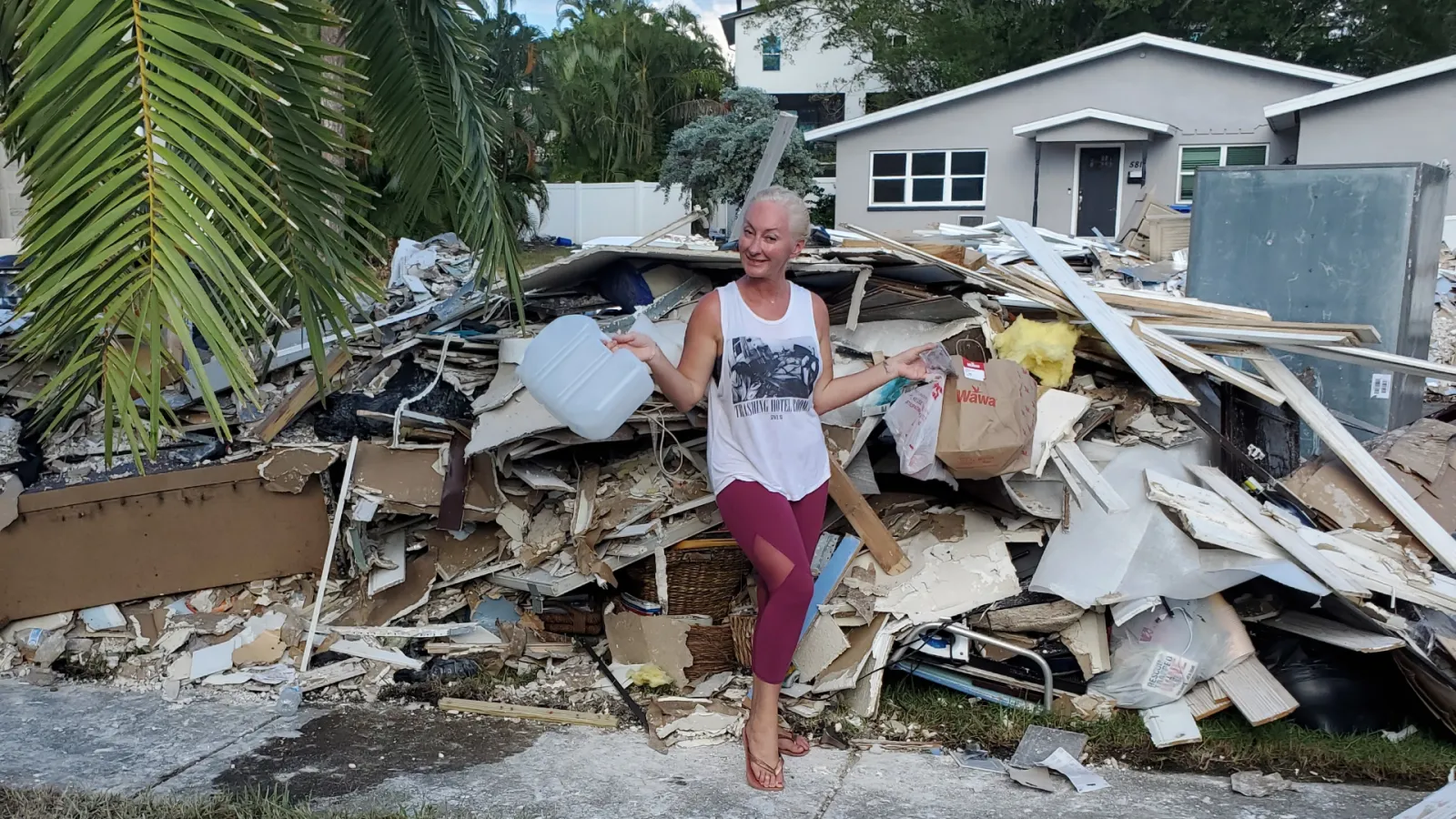
The Martins had to take everything out of the house and put it on the curb. “Everything 6 feet and below got thrown on the curb, added to the mountains of debris around the neighborhood. It was pretty disheartening.”
For Nash, the devastation caused by the flood inside his home was more surprising.
“I was actually outside when the hurricane was right off the coast. And I didn’t think it was too bad. The hurricane was about 100 miles offshore. So, I thought we were going to be okay,” he said. “Then the first high tide came and there was very minimal flooding, and I felt very confident, confident enough to go to bed. And then I woke up because even the higher ground that we were at started to get water at it.”
Until he could get back to his home in Shore Acres a day later, Nash held on to “that 1 percent chance” that his house was ok. “It wasn’t even close,” he said.
“I saw the waterline when we first pulled up and the barrier that I had built was 3 feet high and the waterline on the garage was 2 feet over that. And so I just—I knew it was going to be bad,” he added.
“And then walking in and just seeing a half an inch of muck on the floor. And just the smell punches you in the face like a professional boxer.”
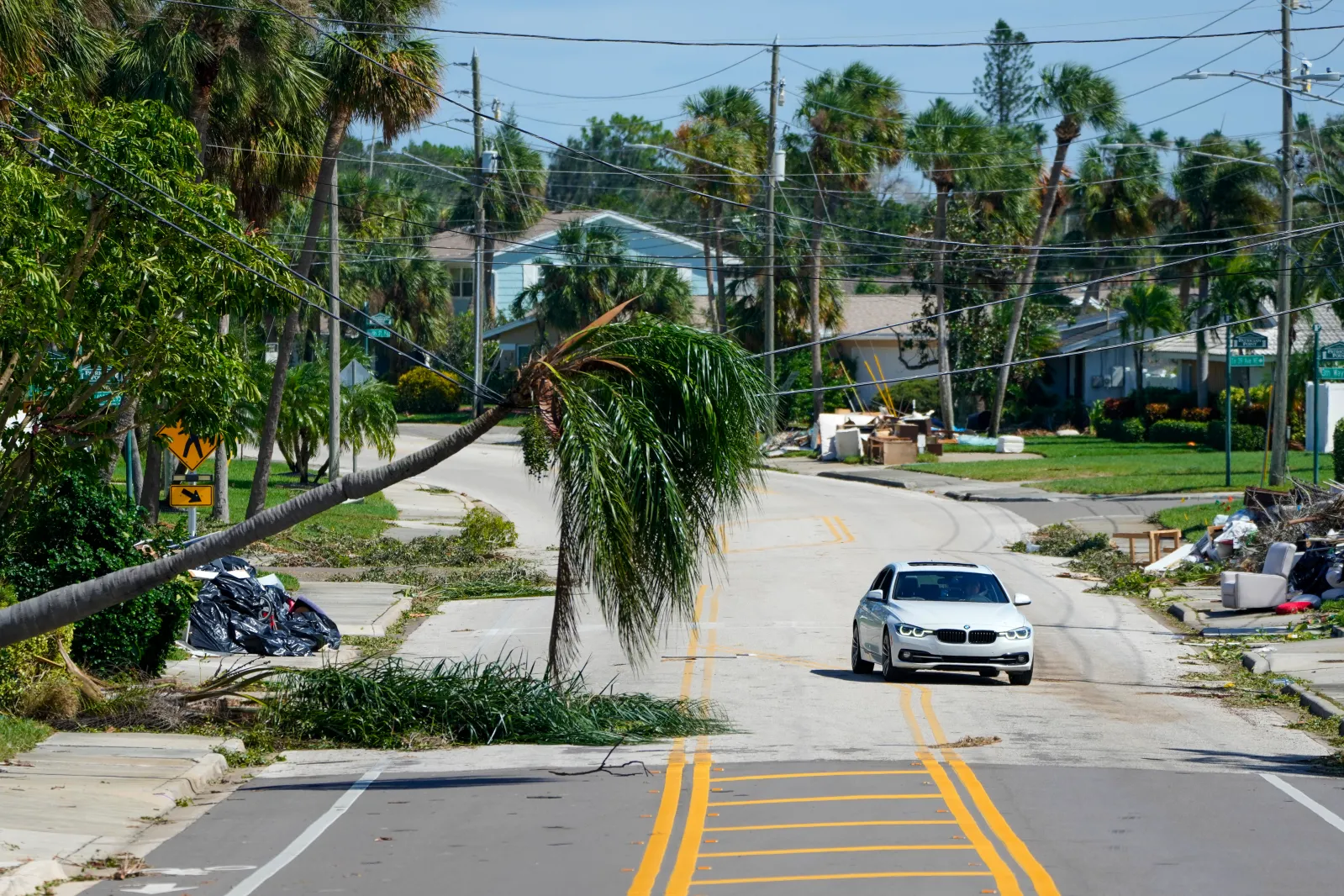 ...
...After the flooding caused by Helene, the neighborhood looked "like a war zone,” Nash said.
“It’s almost surreal, quite honestly. It’s almost like you leave your body and you’re completely numb and you're just walking around and trying to figure out what to do,” he said. “And that’s the hardest thing...I think I said the joke to my wife...how do you eat an elephant? One bite at a time.”
 ...
...‘After the Flood, You're Trapped’
A report released by the Resilience Action Fund, a nonprofit advocating for sustainable building practices, this summer found that home values had plunged in Shore Acres after Hurricanes Helene and Milton.
According to the nonprofit’s study, 36 owners who had bought their properties between 2000 and 2024 sold them for less than $400,000 after the storms, 35 percent less than what they had purchased them for.
“After the flood, you’re trapped, all the pricing plummets,” Martin said. “Unless you want to lose hundreds of thousands of dollars on the house you bought, what can you do?”
“The home next to us, two years prior to the storm, sold for $725,000, and it is my understanding that it just sold for right around $300,000,” Nash said.
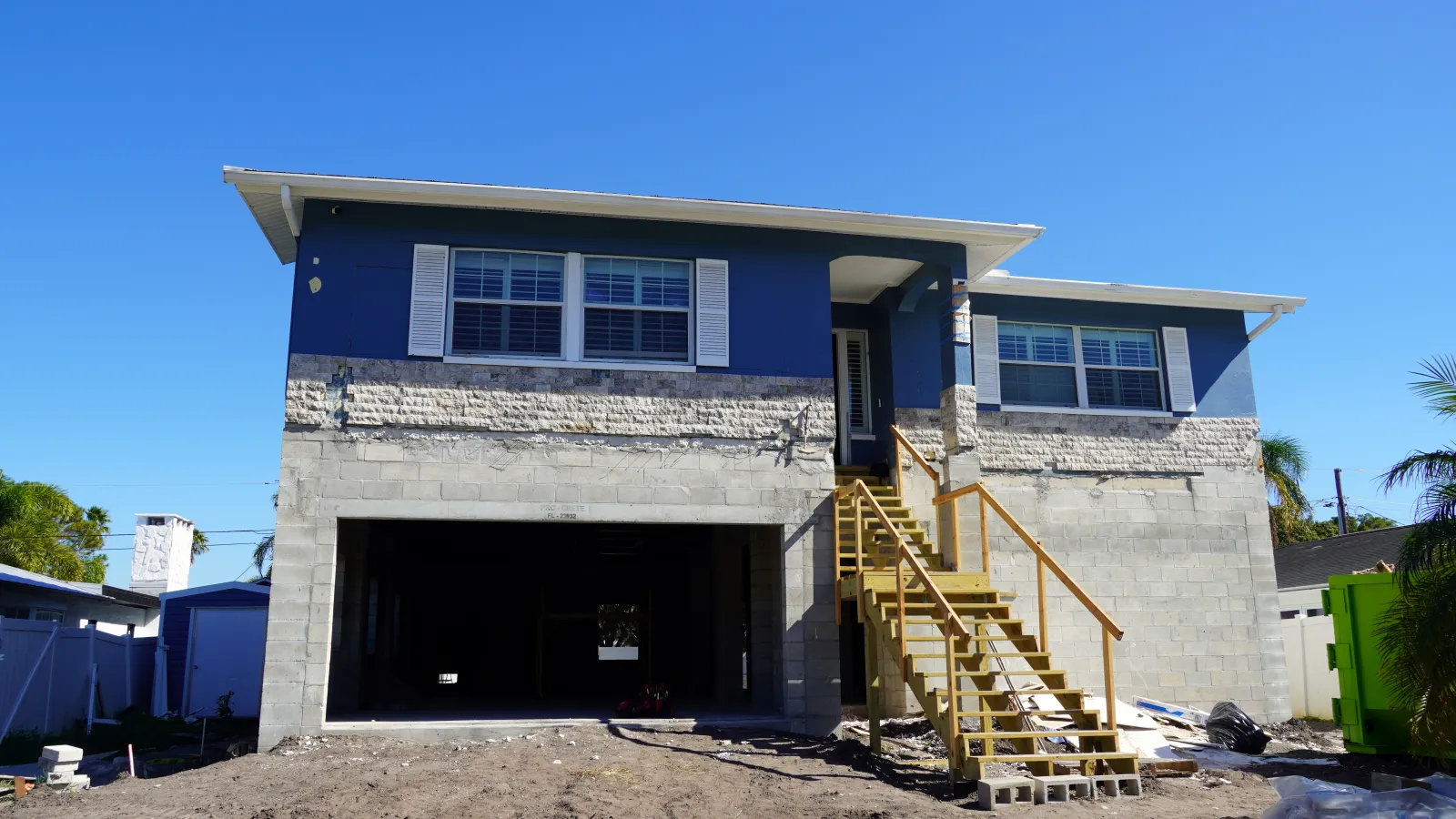
The Martins, to avoid selling their home for peanuts, chose to raise it instead. “They take everything from under the slab and they lift it up. So we raised our home 12-and-a-half feet. The other option was to tear down and rebuild,” he said.
They paid for the process out of their own pockets. In the meantime, they are renting a place some 2 miles away which costs almost double what their mortgage did.
Martin said the process of elevating their homes is “slow and expensive.” The cost of raising their home and rebuilding what was damaged far eclipses the $262,000 they paid for the property in 2016.
“The price to lift it, I think we paid $325,000 to lift it 12-and-a-half feet in the air and then block it in. And then we still got to do electrical plumbing. We got to put the windows in, we got to put doors in… I think it’s going to be close to $400,000 by the time we’re done,” he said.
And that doesn’t include rebuilding the upstairs, which they are just starting now. “It was our cheapest option,” he added, laughing.
 ...
...“If all things were equal, we would have sold the house and moved. But the housing market is incredibly high to buy the same house we have. For, you know—we have four kids here—the six of us. In an equivalent neighborhood, it would probably be over $1 million.”
Nash instead has applied to Elevate Florida, a statewide pilot program led by the Florida Division of Emergency Management (FDEM) designed to protect homes and communities by reducing damage caused during natural disasters like hurricanes and floods. Under the program, federal grant funding covers 75 percent of a home’s lifting, while homeowners pay 25 percent.
In September 2025, the federal funding cap for mitigation reconstruction projects through the program was raised from $220,000 to $375,00 to reflect rising construction costs.
“We’re very fortunate because the vast majority of the neighborhood applied for this program as well as other places,” he said. “We were going to actually pay for the lift ourselves, we were working on moving funds around and things like that.”
The Nashes could have chosen to sell their home after the hurricane—but it was never an option. “To stay in Saint Petersburg, there’s no way we could have bought anything equivalent to our home without spending twice as much,” Nash said.
Instead, Nash is angry at the city of St. Petersburg, which he believes is making it “very difficult for people to put their homes back together,” he said.
“They pretty much wanted everyone in low-lying areas like myself to either sell their house to someone that’s going to rebuild it, or they wanted us to scrape and rebuild our house or lift our house to get it out of the floodplain,” Nash said.
“I can completely understand the stop pattern because it’s just going to happen again. However, they didn’t give us a pathway to make safe homes, whether it is, you know, a government-subsidized loan or something else,” he added.
“We’re not asking for handouts. We’re asking for a way to do it because there’s so many homes back here that are built below sea level and you can’t go back 60 years and find the builder and say, hey, you built my house way below what it was supposed to be. You owe me. There’s no way that would happen,” he said.
Newsweek has contacted the city of St. Petersburg by email on November 28.
 ...
...Rising From the Ruins
Nash is “hoping and praying” that he and his wife will be back in their beloved home in Shore Acres by next summer.
“We have been accepted into the Elevate Florida program and our application is on a desk somewhere at FEMA [Federal Emergency Management Agency], waiting, hoping for approval. So, quite honestly, we're in limbo. We don't know where we’re at,” he said.
A FEMA spokesperson told Newsweek: "While FEMA offers Hazard Mitigation grants for property acquisitions and elevations, these decisions are initiated and managed locally. With increased public awareness, state and local officials can proactively pursue aggressive mitigation strategies. FEMA ensures its role supports decisions that need to happen at the state and local level."
The agency redirected Newsweek to the FDEM. The FDEM redirected us, in turn, to its Elevate Florida webpage.
Martin hopes to get his family back in their homes in four to six months. “We can get through anything,” he said, with a big smile.
Asked about how he can keep positive in the face of the type of adversity that has crushed many others before, he said: “We have four kids. If we can’t keep it together, then how could you expect them to keep it together?
“I’d rather not have gone through three floods. But you know, every time is a little bit easier. But it’s obviously not something you want to get better at.”
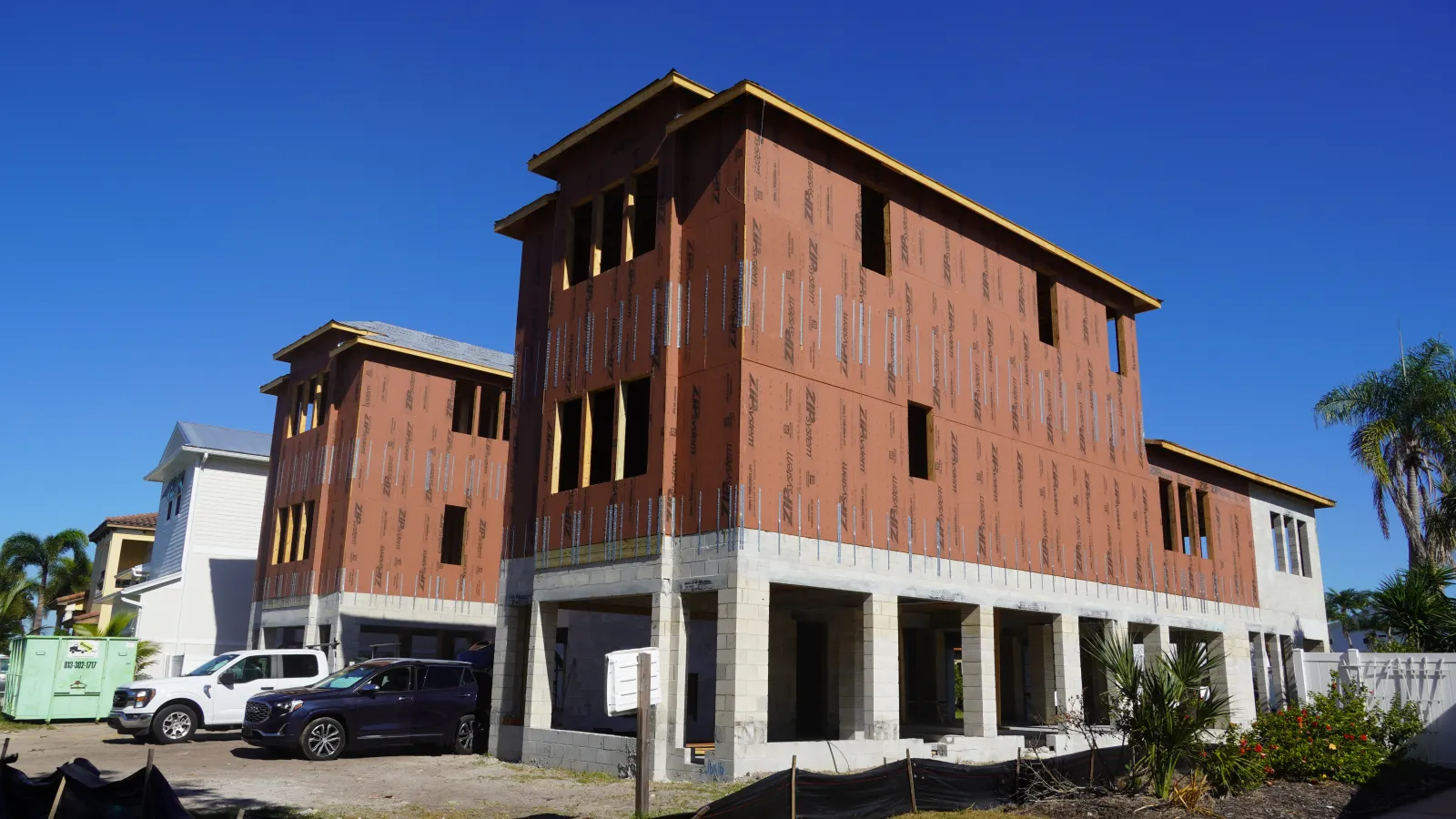
Meanwhile, the neighborhood is quickly changing. Many of the homes are already being raised, and more are in the process of being lifted. “I imagine in the next 20 years almost every home in this community will either be lifted or torn down,” Martin said.
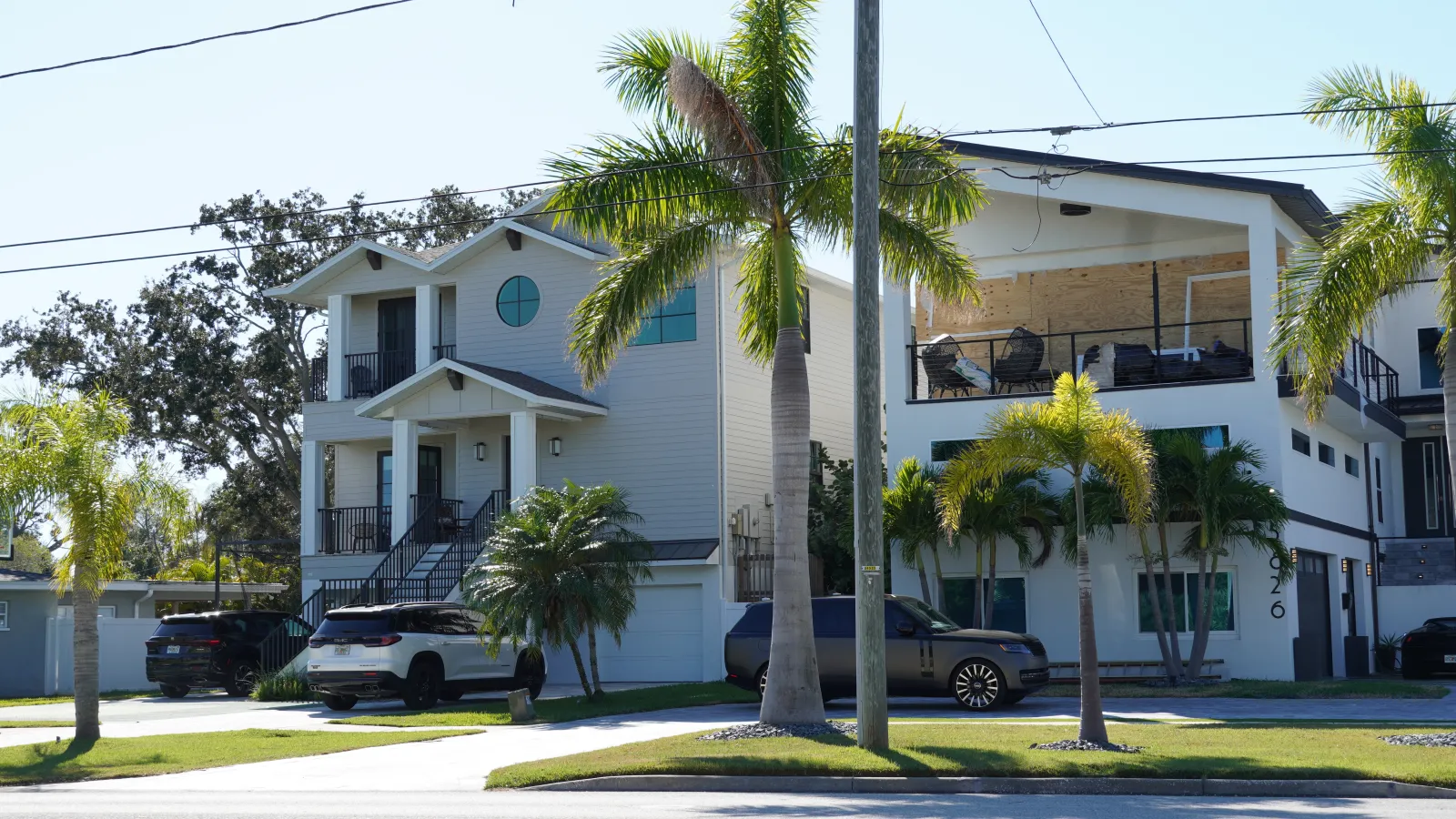 ...
...Many of the residents who used to love the neighborhood might just not be around to see its miraculous resurrection—but the ones who have remained will.
“We will continue to prepare. More people have taken seriously the fact that they need to lift their homes out of harm’s way or rebuild,” Batdorf said.
“We have managed to convince our legislators at the state level and the national level that the system for grants was flawed—too much red tape,” he added. “And FEMA allowed the state to run Elevate Florida this year, I take full credit for that.”
With part of the $400 million available through the statewide program, 100 to 150 homes in Shore Acres will be lifted. “That’s 100 to 150 homes that had no chance prior,” he said.
“We’re talking about a place that could be at the forefront of what many areas in Florida need to do,” he added.
Request Reprint & LicensingSubmit CorrectionView Editorial & AI Guidelines Add Newsweek as a preferred source on Google to see more of our trusted coverage when you search.
Recommended For You
 U.S.Half of Gen Z Wants Crypto For Christmas3 min read
 For MembersNewsUncommon Knowledge: Will Trump Accounts Pay Off?6 min read
 NewsIRS Issues Update on Trump Accounts3 min read
 NewsMalaysia Relaunches Hunt for Missing MH370 Flight: What To Know3 min read
 NewsTennessee Election Map Shows Huge Voter Shift From Trump to Democrats4 min read
 NewsExclusive: Democrat Targets Trump’s $175B Immigration Funds for Housing7 min read
Related Podcasts
Top Stories
 WorldRussia-Ukraine War Live: Putin Shares New Details on Trump Peace Plan2 min read
 WorldAmericans Are More Bullish Than Ever About US Military Power5 min read
 NewsPentagon Knew Survivors Remained Before Second Caribbean Boat Strike4 min read
 NewsDonald Trump Asserting Executive Privilege in January 6 Case: What We Know3 min read
 WorldMaduro Speaks Out After Rare Call With Trump3 min read
 NewsEpstein Files: Congressman Reveals ‘Biggest Thing’ Coming After New Release5 min read
Trending
 Winter weatherWinter Storm Warning As 17 Inches of Snow To Strike: ‘Extreme Caution’5 min read
 RepublicanRepublican Ousted by Democrat in Georgia3 min read
 Live BlogNATO Warns Putin: ‘We’re Not Going Anywhere’—Ukraine War2 min read
 WeatherWinter Weather Warning for Texas as Snow to Hit3 min read
 Donald TrumpDonald Trump’s Approval Rating Sees Major Shifts3 min read
Opinion
 OpinionPete Hegseth Is Not a ‘War Criminal’ | Opinion6 min read
 OpinionLebanon 2.0—Shepherding the Path to Peace | Opinion4 min read
 OpinionThe Cost of Detaining Immigrants Working Legally | Opinion5 min read
 OpinionProsecuting Congress for Stating the Law: An Impeachable Offense | Opinion4 min read
 For MembersOpinionConventional Wisdom: Trump Pardons Former Honduran President3 min read