The Independent's journalism is supported by our readers. When you purchase through links on our site, we may earn commission.
- Travel
- Europe
- Estonia
On a trip through the Setomaa region, Yvette Cook immerses herself in an inspiring sisterhood of locals who are keeping ancient traditions alive through song, food and sauna rituals
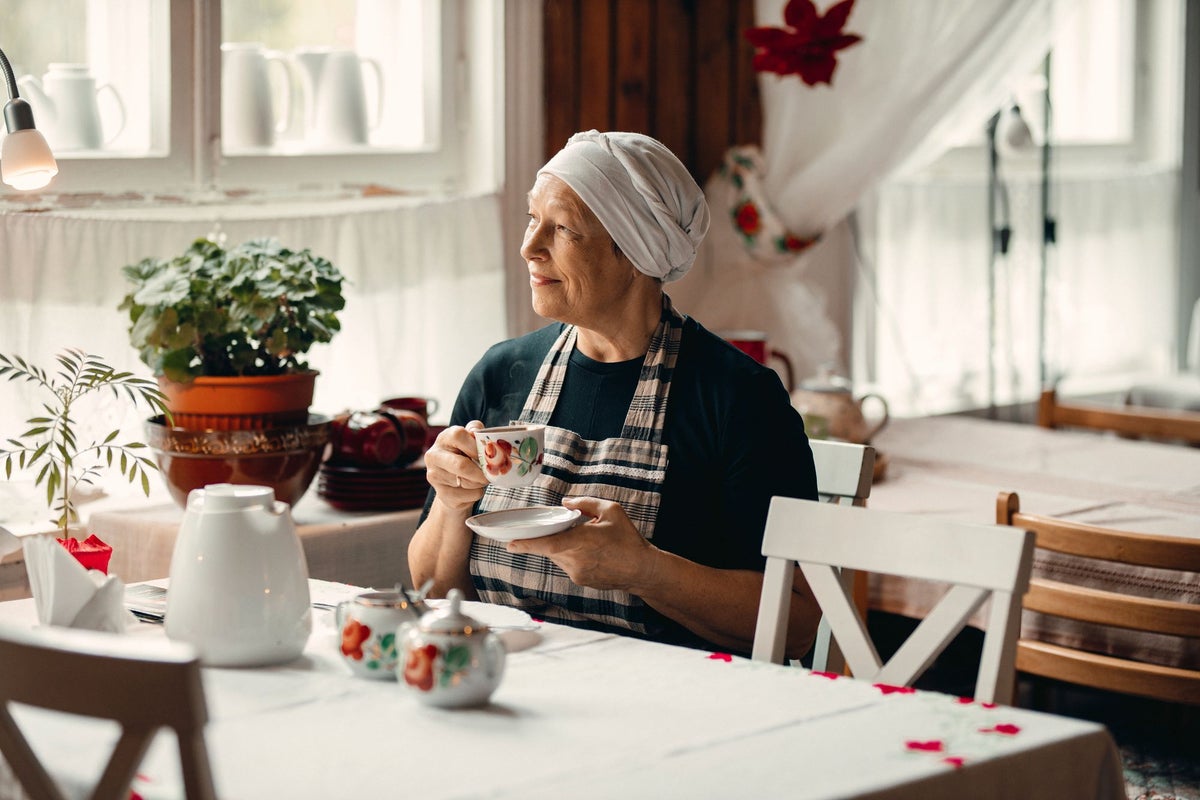
Thursday 04 December 2025 06:00 GMTComments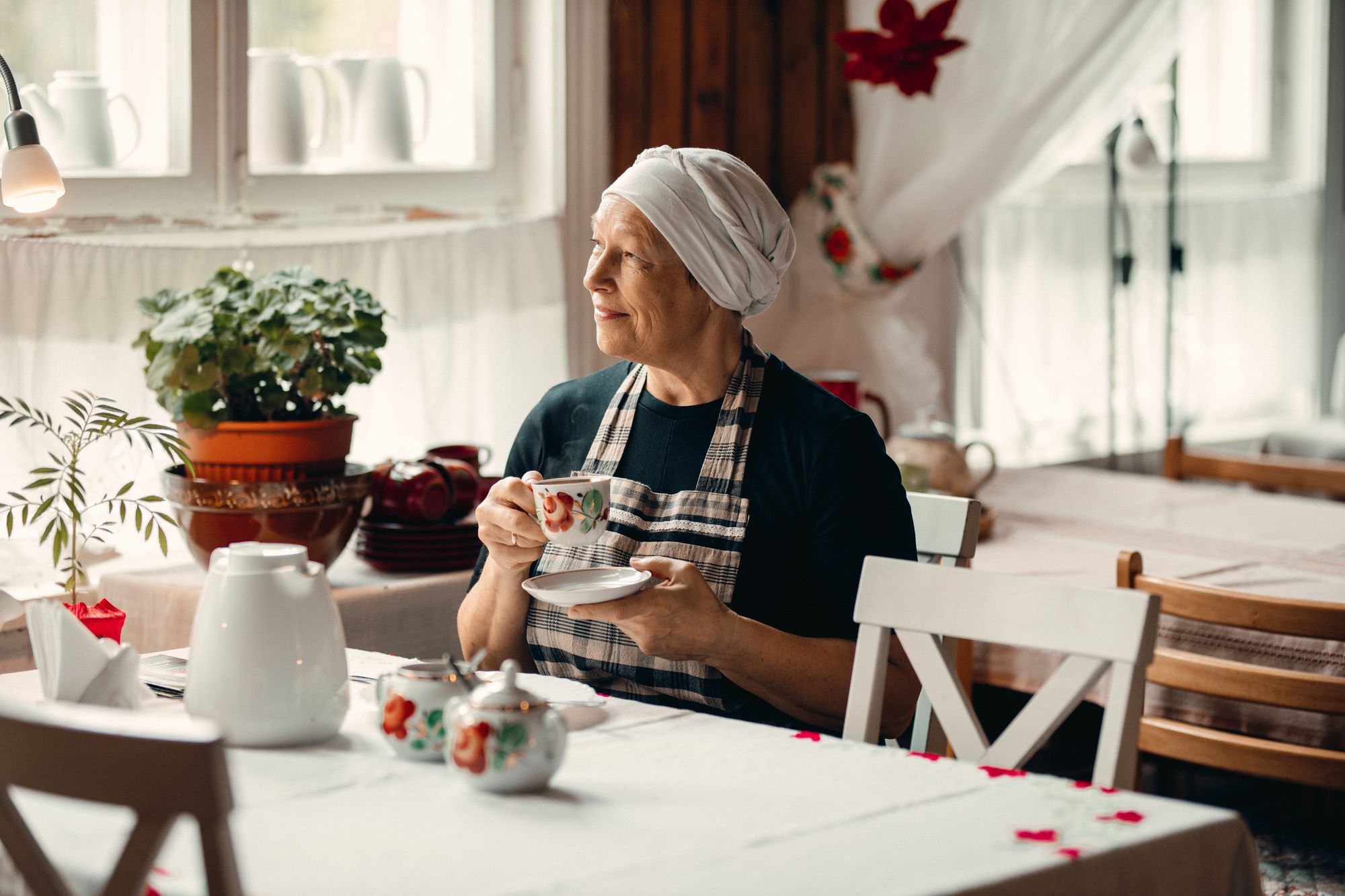 open image in galleryIn Estonia’s Setomaa region women like Keir Rämson are preserving traditional Seto recipes and traditions (Yvette Cook)
Sign up to Simon Calder’s free travel email for expert advice and money-saving discounts
Get Simon Calder’s Travel email
Get Simon Calder’s Travel email
Email*SIGN UPI would like to be emailed about offers, events and updates from The Independent. Read our Privacy notice
Eyes closed, the repetitive rhythm carries me. A gentle rise and fall, like a boat rocking on invisible waves. From the shadows of a wooden barn, an energetic female voice is echoed by a choir who repeat every line she utters. Somewhere in the chorus, one voice soars a little higher, weaving a delicate harmony and making the air hum. I may not understand the Seto language, yet its playful cadence makes me sway joyfully.
When I open my eyes, six Seto women – dressed in traditional layered wool and linen dresses with intricately woven patterns – are smiling at one another, as if sharing a secret. As their voices elevate to a crescendo, the silver brooches and chains that were resting on their chests, start dancing with the song’s undulating breath. I’m spellbound. These women are singing leelo to a group of tourists including myself. It’s a two thousand-year-old tradition recognised by Unesco.
I’m in the south-eastern corner of Estonia in Setomaa, a region that pays little attention to lines on a map, spilling quietly across the border into Russia. A century ago, Estonians described Setomaa as “medieval” and illiteracy was the norm, so Seto women hid their heritage — but currently a cultural revival is underway and it’s being led by local women.
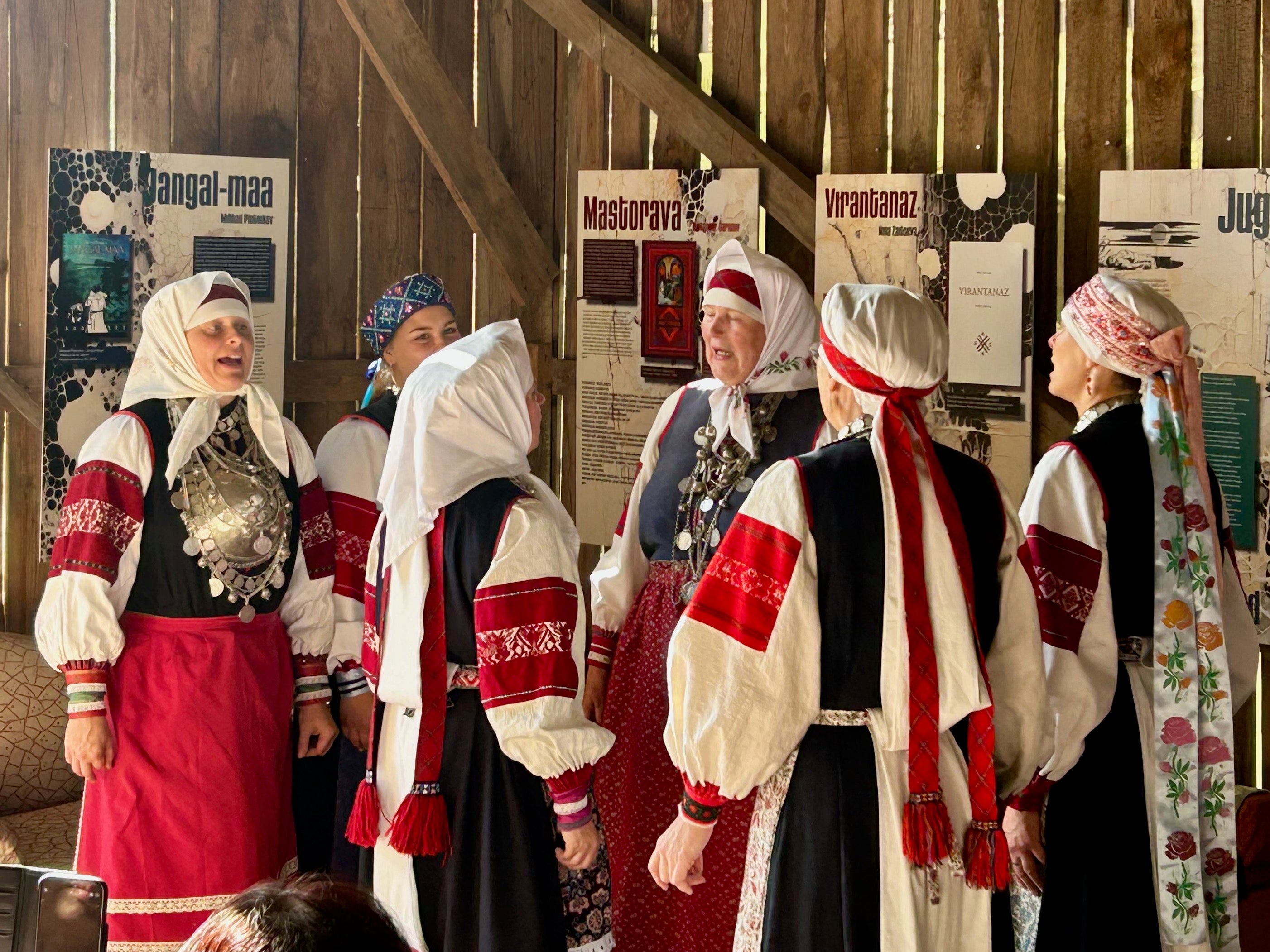 open image in galleryWomen singing leelo, a two thousand-year-old tradition recognised by Unesco (Yvette Cook)
Read more: Estonia travel guide: Everything to know before you go
As well as singing leelo, many of these women are opening homestays, restaurants and handicraft businesses, to showcase their heritage and to keep traditions alive. One such local is tour guide Helen Alumäe, who is taking me along the Seto Külävüü tourist belt to meet these entrepreneurial women in the region, which even Estonians find extraordinary.
Driving across Setomaa between the villages of Vinski and Masluva, narrow lanes unspool like ribbons, past buckwheat and oat fields, their edges fringed by birch and pine forests that hide foragers filling baskets with chanterelle mushrooms and blueberries. Peace is broken by the heavy wingbeat of white storks lifting from giant nests atop telegraph poles, as well as by the distant cry of a circling harrier.
My visit falls in August, during Seto Kostipäiv, an annual festival where farmsteads open their gates for visitors to taste Seto food and glimpse a way of life rarely seen. “It began in order to give visitors something new,” Helen explains. “But now, in its thirteenth year, it’s more about the community spirit.”
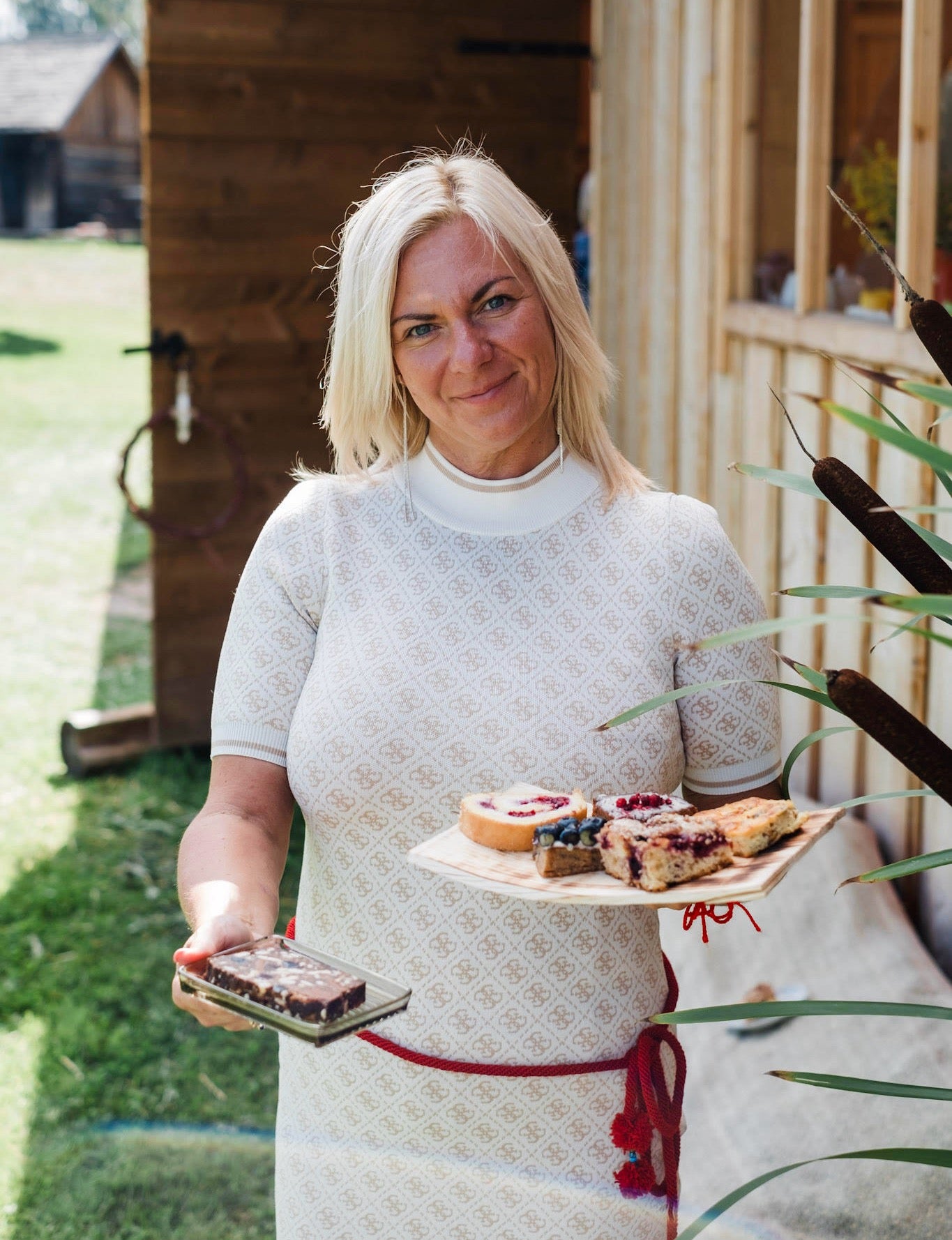 open image in galleryGuide Helen Alumäe takes tourists like Yvette to the Seto Külävüü tourist belt to meet entrepreneurial women (Yvette Cook)
Each farmstead has its own character, yet all serve impressive spreads sourced from their land, including golden pirukas (pies), steaming lamb stews and tangy herrings on rye bread. One proud host leads us past gobbling turkeys who accompany the sounds of a karmoška (accordion). While another shows me lamb kebabs smoking on pitchforks in their sauna.
Laughter rises over Estonian pop music, while barefoot children run in search of brita kook, a cloud-like cake of meringue, cream and berries. Under the cool continental sun, I ease into the unhurried rhythm of Seto life, where culture is rooted in food, music and joy.
The restaurants taking part in Seto Kostipäiv are a testament to the success of many Seto women. Casually dressed in a white apron, Inara Vanavalgõ welcomes me with a warm embrace, making me feel part of the family – who have finished serving 3,000 homemade pirukas. She opened her coffee house after the first festival and it’s become an event that the whole family takes part in. “We share the happiness of the festival,” she says with pride. “Working as a team has tightened the connections.”
Recommended Where is hot in December? Best holiday destinations for winter sun in 2025
 Is this mountain region Portugal’s answer to the Alps?
 Peace among the peaks: journey through Spain’s sustainable mountains
Over carrot cake topped with lingonberries, Vanavalgõ tells me: “Seto culture has always been important for me, as I collected my mother and grandmother’s recipes and embroidery.” When Estonia joined the EU in 2004, she related to its value of equality, feeling that she no longer had to hide as a woman. She seized the opportunity to become elected as the first female Seto Chief Herald, a ceremonial figurehead. “[The role of women] is growing in Seto culture and our collective power is how we make an impact,” she says. Vanavalgõ runs cooking classes, seminars and new events such as the Full Moon Night Feast in February where pop-up restaurants open for one night along Lake Peipus, keeping Seto culture alive and relevant.
Having also followed her passion for food, Sirje Kruusamäe opened Maagõkõnõ restaurant after the success of her pop-up cafe, Kostipäiv. In her kitchen, whisk in hand, I’m beating curds with milk, butter, eggs and caraway seeds in a steel pan to make sõir, a regional cheese with EU Protected Geographical Indication status. My arm aches, but the effort is worth it: the mixture transforms into a soft ball that is served into small bowls and paired with homemade apple and pumpkin jam. It’s melt-in-the-mouth texture and creamy flavour is lifted by a hint of tanginess, making each bite something to savour. Traditionally reserved for celebrations, it feels like an indulgence on an ordinary Sunday.
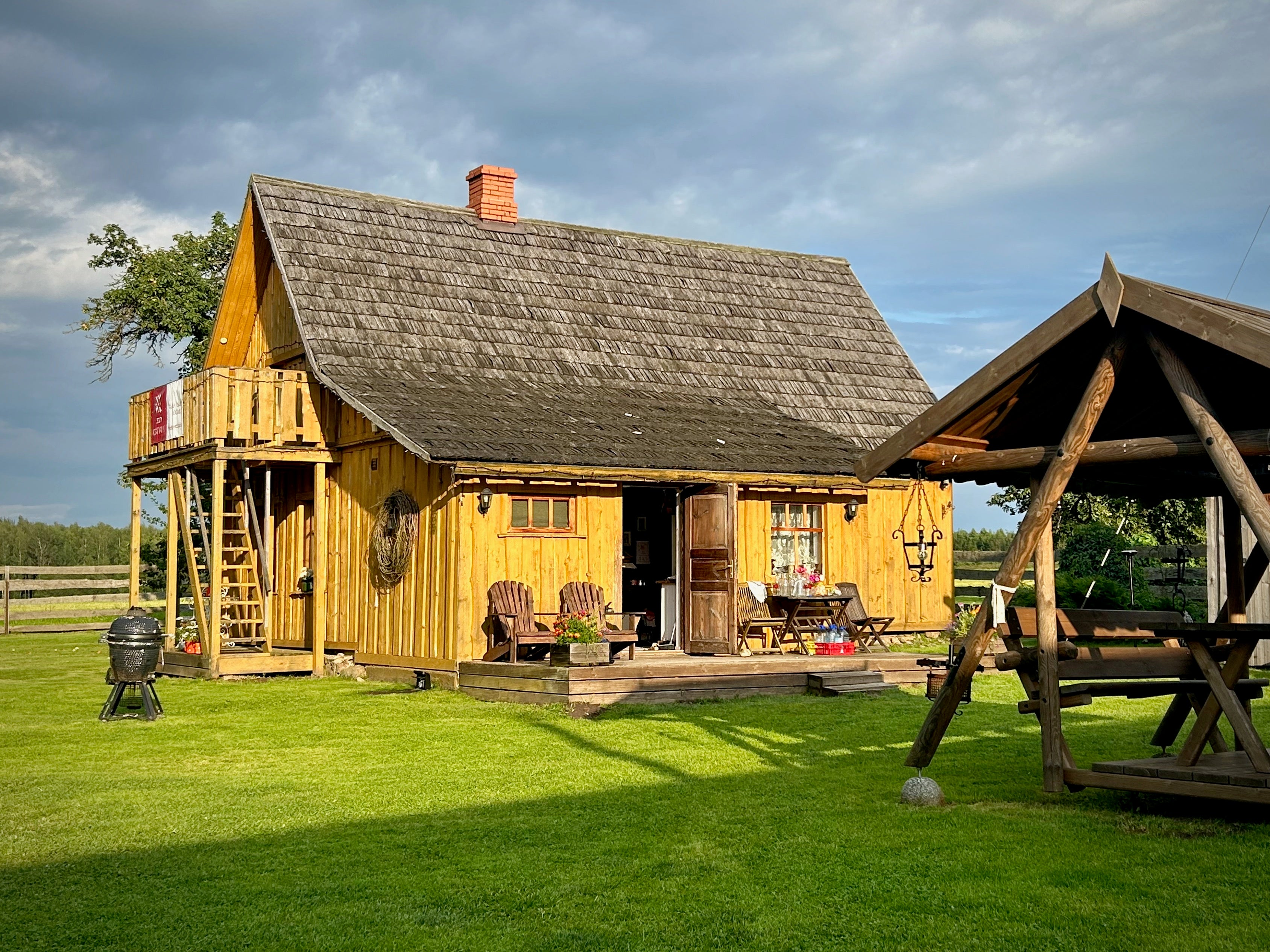 open image in galleryKirsi Talo homestay, near the village of Meremäe (Yvette Cook)
Later, at my farmstay, Kirsi Talo near the village of Meremäe, I sit with owner Kaidi Kerdt, listening to a lone treecreeper sing as the wooden farmhouses glow gold in the fading light. Kaidi tells me: “I promised my grandmother I would carry on our Seto traditions.” Inspired by childhood memories of traditional farm life and of staying with her grandmother, the stay is set up with communal rooms for guests.
I linger over faded photos hung on the walls of Kaidi’s grandmother during feast days, while running my fingers over restored Seto beds under low-pitched ceilings. Kaidi invites guests to “share the same dishes I ate with my grandmother”. During my three-night stay, meals of chanterelle soup, pickled herring, fresh rye bread and buckwheat porridge, all made with local ingredients, ensure her promise is fulfilled. Perhaps it’s the countryside air, but I sleep as soundly as I used to in my own grandmother’s home.
The following day, Helen introduces me to Õie Sarv, a matriarch of Seto culture. Before stepping inside her home, she greets me with a soulful burst of leelo and Helen joins in – the harmony providing an unexpected rush of joy.
In her kitchen, we devour delicious sõir as Õie talks passionately about her workshops at the Obinitsa Museum where visitors dress in Seto clothing. As well as learning about the craftsmanship of ornate silver jewellery and locally embroidered textiles, visitors learn how it embodies generations of tradition and provides markers of family wealth and heritage.
Read more: How this naked, sweaty sauna ritual in Estonia ended up being the most empowering girls’ weekend away
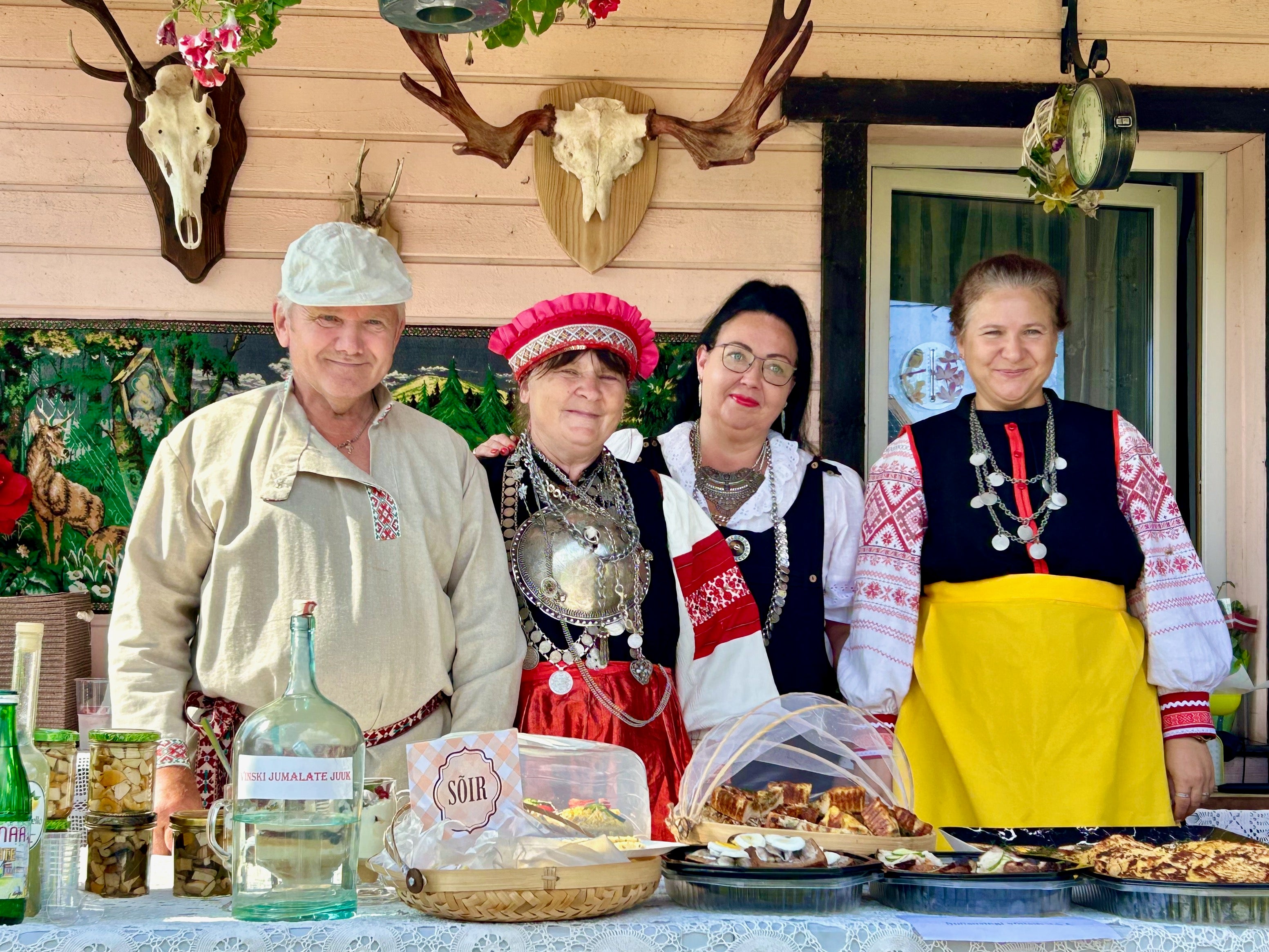 open image in galleryLocals wearing traditional Seto dress and ornate locally-made silver jewellery (Yvette Cook)
Õie remains a guardian of authenticity, not wanting to see her heritage pushed too far into modern values. “Seto culture is no longer about the rural way of life, because it's being replaced by new songs and people,” she says. Though later, reflecting with Helen, she’s optimistic: “The fact that people care about how you sing and dress means that Seto culture is still alive.”
Nearing the end of my journey and inspired by the award-winning film Smoke Sauna Sisterhood, I’m eager to experience Estonia’s smoke sauna tradition. Down a lane framed by wheat fields, the scent draws me to a wooden hut beneath giant oak trees, overlooking a tranquil pond.
With a guide, Alice Kirsipuu, I join five Estonian women seeking to recentre themselves through a four-hour ritual of cleansing and relaxation. Strangely, it feels natural to be naked, but I’m overwhelmed by how intensely my body sweats in the sauna. Then when we move to the pond it feels cool but I’m surprised it doesn’t cause the expected sharp intake of breath. Some women plunge in with whoops of happiness.
As the ritual deepens, we use handmade sauna whisks, bundles of birch branches and herbs, to massage each other. Laughter and song ripple through the smoky air, and I’m no longer consumed by heat, but by a sense of belonging to the sisterhood and their traditions.
After a successful Seto Kostipäiv, an impromptu party brews at Kaidi’s farmstay. Family and friends gather as she plays a jaunty tune on her karmoška. A ceramic teapot filled with handsa, a homemade strong rye vodka, is poured into a silver shot glass that is passed around the group. I reflect on this camaraderie and the quiet strength of Seto women.
Read more: Communal sweating in saunas is the hottest wellness trend taking over the UK
To prove this point, one woman begins to sing leelo and a circle forms, voices rising around her. The repetition makes it possible to join in, although it feels less about the words and more about the feeling. Helen’s earlier sentiment echoes back to me: “When we sing I feel the power of sisterhood, because there’s something in the music that is so powerful.” I couldn’t agree more. As the leelo swells and laughter rings out across the barn, it’s clear everyone is improvising and I feel certain that Õie would be proud.
Yvette travelled as a guest of Visit Estonia.
Recommended The 10 best European city breaks – and where to stay this winter
 EU entry-exit system: Estonia is first country to be ready on air, sea, rail and road
 Tradition meets innovation in Ohrid, the heart of the Balkans
How to do it
Finnair runs flights to Setomaa’s closest airport of Tartu, via Helsinki. There are direct flights via British Airways from the UK to Estonia’s capital Tallinn, a three-hour drive from Setomaa. Car hire is highly recommended.
Seto Kostipäiv takes place in August. Find out more about tours and other activities at visitestonia.com and visitsetomaa.ee
Where to stay
Kirsi Talo offers bed and breakfast from £31 per person per night, and is located near the village of Meremäe.
Book now
More about
Eastern EuropeBalkansUNESCOJoin our commenting forum
Join thought-provoking conversations, follow other Independent readers and see their replies
Comments