
- Lifestyle
As Dick Van Dyke gears up to celebrate his centennial birthday this month, Ellie Muir explores how his life as an optimist has kept him going
Wednesday 03 December 2025 13:00 GMTComments
 CloseDick Van Dyke appears on the Today Show ahead of his 100th birthday
Stay ahead of the curve with our weekly guide to the latest trends, fashion, relationships and more
Stay ahead of the curve with our weekly guide to the latest trends, fashion, relationships and more
Stay ahead of the curve with our weekly guide to the latest trends, fashion, relationships and more
Email*SIGN UPI would like to be emailed about offers, events and updates from The Independent. Read our Privacy notice
Dick Van Dyke may be approaching his 100th birthday, but he’s feeling 13. The 99-year-old Mary Poppins and Chitty Chitty Bang Bang star said so himself in a recent interview, crediting his long lifespan to his positive outlook — more specifically, the fact that he never gets angry.
“I’ve always thought that anger and hate is one thing that eats up a person’s insides,” the Bye Bye Birdie actor told People magazine in a recent interview. “And I never really was able to work up a feeling of hate. There were things I didn’t like, people I don’t like and disapprove of. But I never really was able to do a white heat kind of hate.” He added that his father, Loren Van Dyke, was “constantly upset by the state of things in his life and it did take him at 73 years old.”
According to a number of studies, the nonagenarian might be on to something. Researchers have found that optimists enjoy higher levels of well-being, better sleep, lower stress, and even better cardiovascular health and immune function — contributing to a longer life. A study conducted by Durham University in the U.K. concluded this in 2022, with researchers tracking the lifespan of nearly 160,000 women aged between 50 and 79 across 26 years, finding that the optimists had lived longer and happier lives. A 2016 study published in the American Journal of Epidemiology similarly found that optimism was broadly and robustly associated with a lower risk of mortality: it found that individuals with greater optimism are more likely to achieve exceptional longevity, living beyond 85 or older.
Lesley Parkinson, a consultant clinical psychologist specializing in neuro-psychophysiology, says optimists tend to solve problems more effectively and are more likely to believe good things are happening to them. “Optimistic people tend to adopt healthier behaviours, manage stress more effectively, a bit like Dick Van Dyke, and have greater emotional resilience,” she tells me. “The mechanisms for this are still being studied, but optimists tend to take regular exercise, maintain a better diet, and have reduced habits. They don't smoke as much, and they don't consume excessive amounts of alcohol.”
In his new book, 100 Rules For Living To 100: An Optimist's Guide To a Happy Life, Van Dyke backs this theory up — and he’ll soon have the centenarian status to prove it. At 99, he goes to the gym three times per week, dances, and credits his wife, Arlene Silver — who is half his age at 57 — for keeping him young. In the book, he recalls using his trademark calm to navigate tricky situations — including defusing a knife threat in a public toilet in the late 1950s with nothing but humour. “Praying that the guy was maybe not really murder-crazy and just having a bit of ‘fun’ with me, I tried to go along with his ‘joke.’ Sadly, what actually came out of my mouth is forgotten, but I am sure it was a flailing attempt at humor. Whatever I said, it definitely didn’t make him laugh. But it did at least keep him stumped long enough for me to bolt out the door, unstabbed,” he continued. “There’s nothing like a bit of spontaneous, self-deprecating humor to short-circuit a situation on its way to getting tense.”
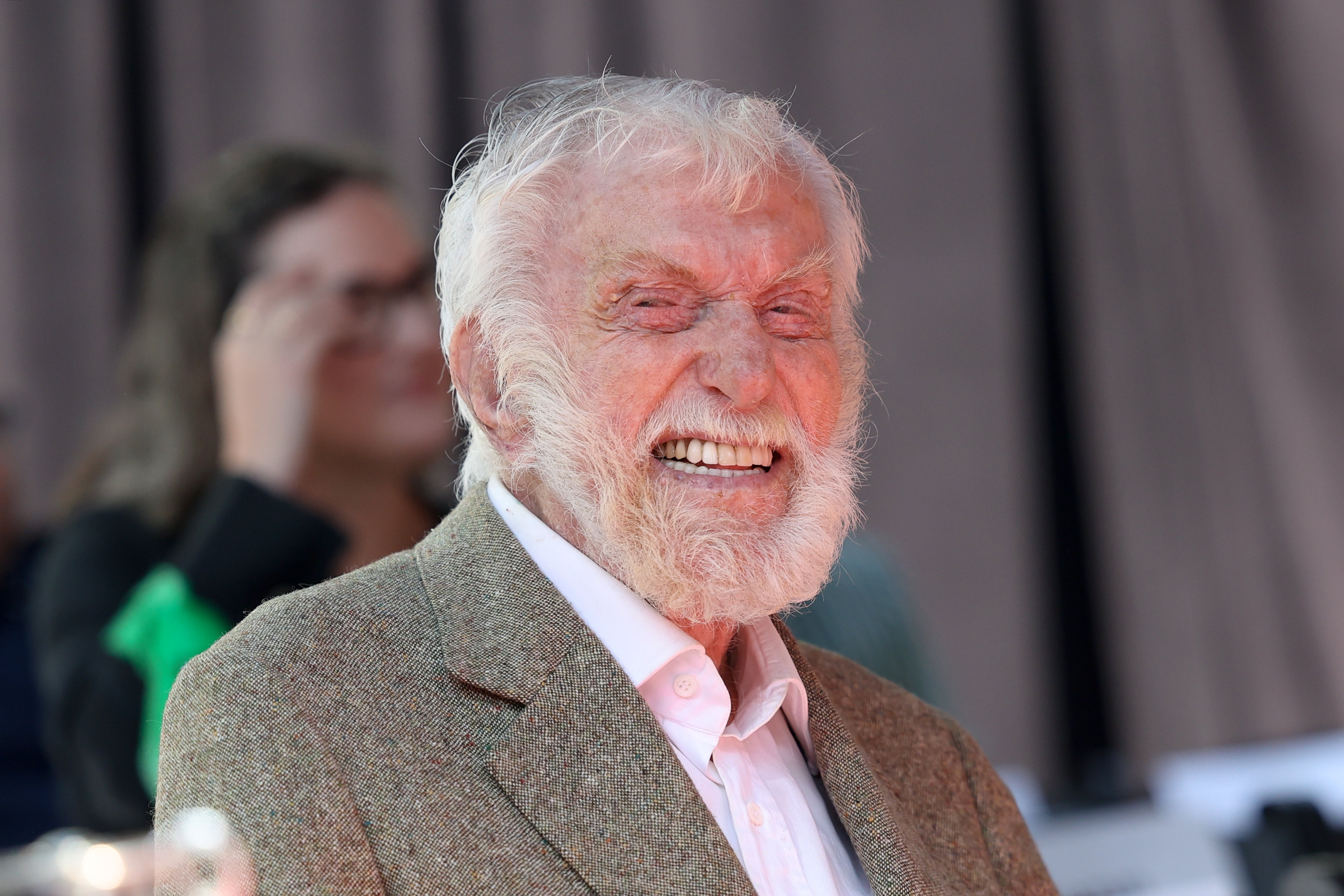 open image in gallery‘I’ve always thought that anger and hate is one thing that eats up a person’s insides’: Dick Van Dyke (Getty Images)
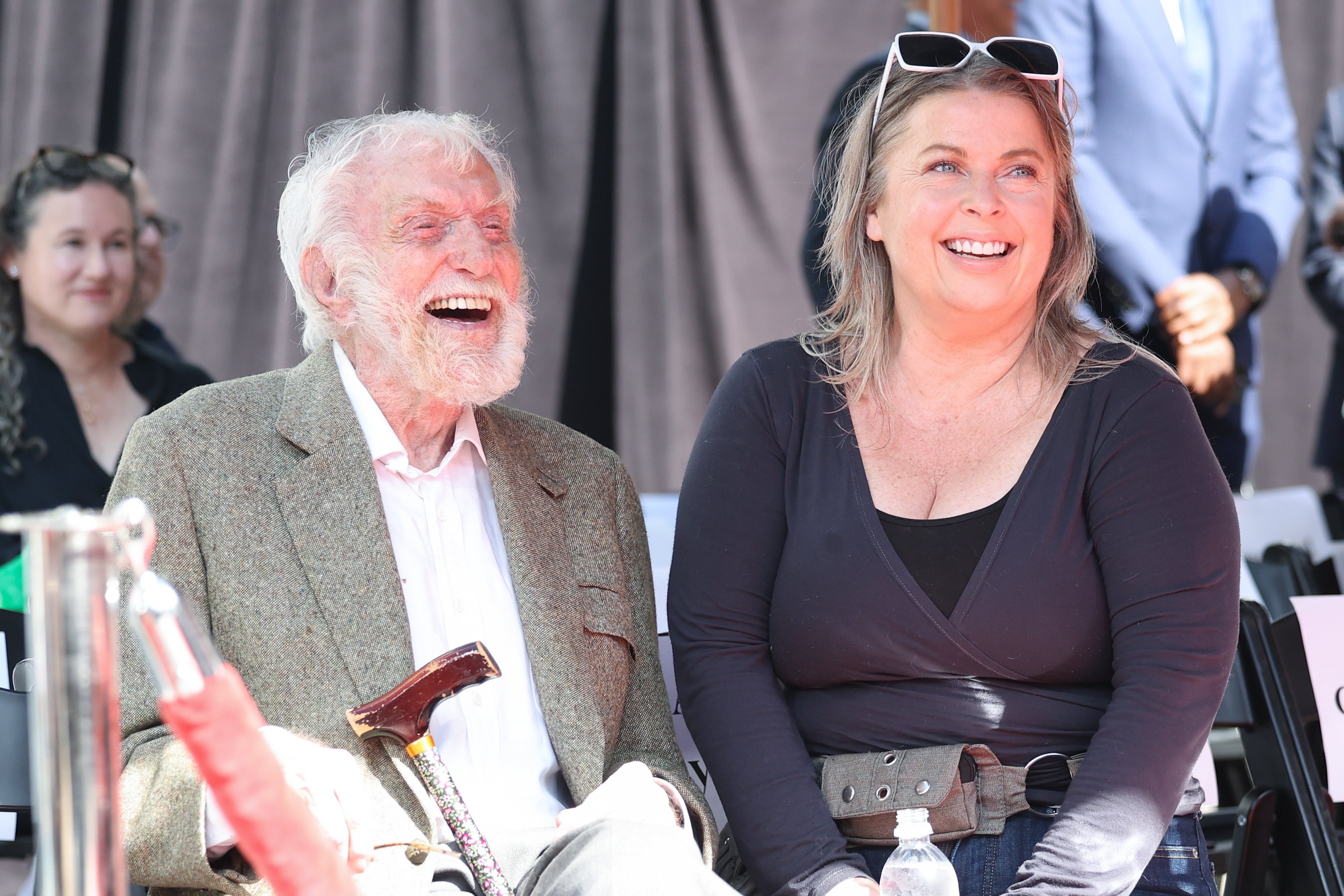 open image in galleryVan Dyke also credited his wife, Arlene Silver, with his longevity (Getty Images)
Looking on the bright side has clearly served Van Dyke well, but that doesn’t mean you have to embody the Dalai Lama to live well. Dr. Nick Zygouris, a consultant clinical psychologist at Stronger Minds, tells me that he’s sceptical of those who claim to never feel anger or hate. While anger can trigger the release of cortisol — the stress hormone linked to issues such as chronic stress and poor sleep — expressing it, rather than suppressing it, is often healthier.
“There are some situations where absolutely you should be feeling angry, when something really unjust is happening in your life. It's going to give you a sense of empowerment to actually do something about it and overcome the injustice taking place in your life,” Dr. Zygouris explains. Separating the actual emotion from the expression of that emotion is the crucial part. “Anger is the emotion, but aggression and violence would be an expression of anger,” he says. “But you have to think about why you’re feeling angry – maybe it’s because you’re feeling sad or anxious underneath.”
To achieve an optimistic outlook, one should not ignore the more difficult emotions. “Suppressing or repressing anger has significant disadvantages, leading to various physical and mental health issues,” explains Parkinson. Since the emotion doesn’t simply disappear, it becomes "internalized and manifests in unhealthy ways", which can put the body in a prolonged state of stress.
If you’re wondering whether you’re capable of the Van Dyke mindset, then know that being an optimistic person is also down to a combination of environmental, biological and sociological factors. If you were raised by a parent who always looked on the bright side, chances are that you’ll be naturally optimistic, too. According to a journal in the Proceedings of the American National Academy of Sciences in 2019, optimism is approximately 25 to 30 percent heritable, though factors such as income, education, location and social status also shape how optimistic a person is.
 open image in galleryVan Dyke turns 100 on 13 December (Getty Images)
If you weren’t blessed with inherent optimism, Dr. Zygouris recommends a therapeutic approach that encourages you to zoom out and see the bigger picture, helping prevent you from fixating on the negatives. “We have a lot of biases, and as we go through life, we tend to pick up some negative views from life experiences. It’s about having an accurate view of yourself and the world around you,” he explains. “So if you’ve been in a relationship where someone has hurt you significantly in a relationship, you may anticipate the same problem in the next relationship. But by becoming aware of that underlying belief that was developed as a response to that life experience, you can start questioning it. So, okay, that relationship was like that. But what about all the other relationships I had?” he says.
Parkinson says we can all be more like Van Dyke by consciously looking for opportunities to shift our focus to positive alternatives when difficult events occur. “One thing researchers suggest, for example, is if you’re stuck waiting for an appointment, use this time not to get irritated, but to do something positive, call a friend, read a book, sit and meditate, and also, of course, keep your stress levels down.” So, next time you’re stuck raging in traffic, be more like Dick Van Dyke: laugh it off, put on some music and enjoy the pause.
More about
Dick Van DykeLifespanJoin our commenting forum
Join thought-provoking conversations, follow other Independent readers and see their replies
Comments