- Travel
- Europe
- Greece
- Santorini
Earthquakes on the island have seen tourism numbers dwindle, but Amelia Neath finds that fewer crowds make for a more enjoyable trip
Wednesday 03 December 2025 09:06 GMTComments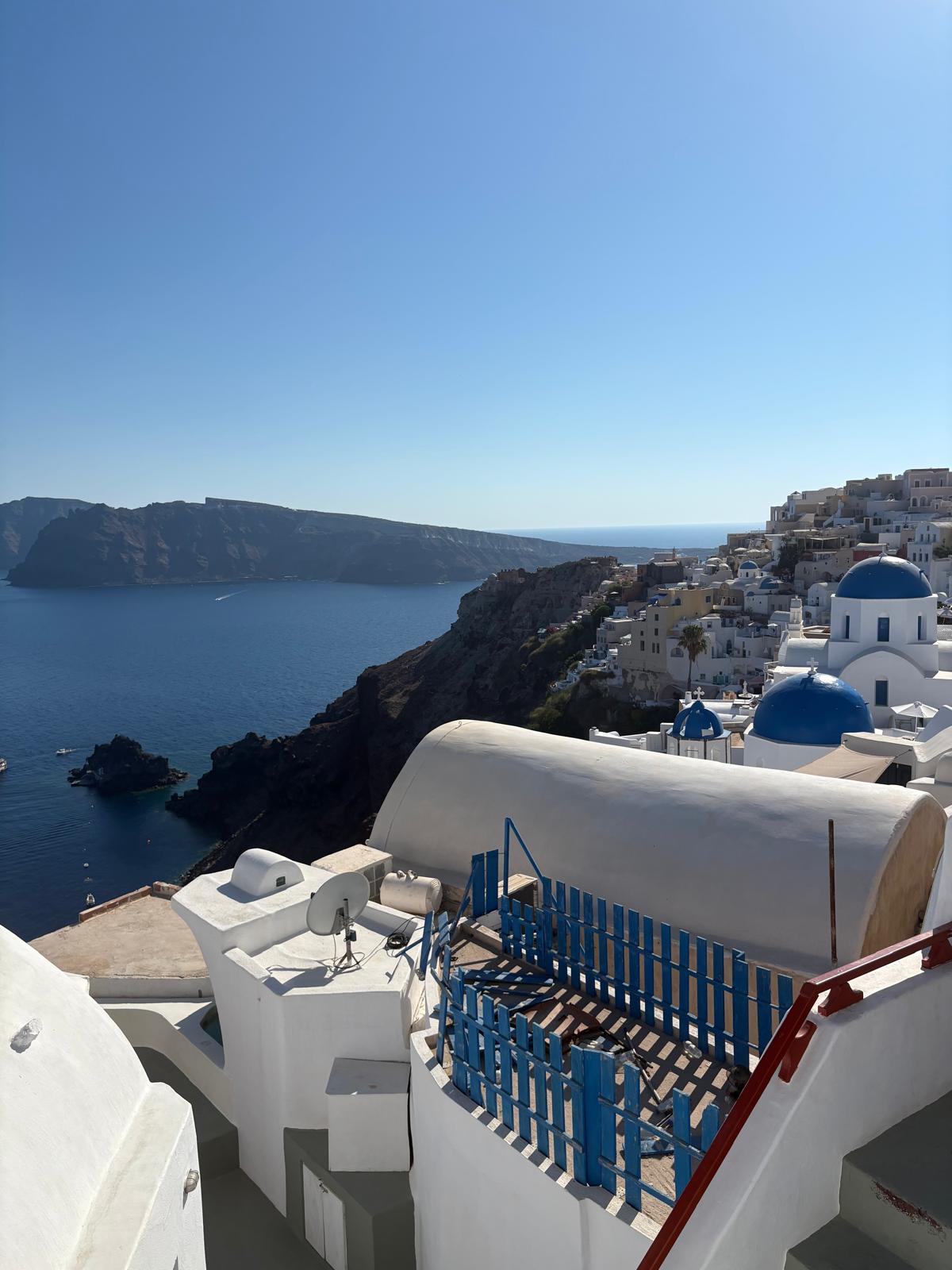 open image in galleryFewer crowds on the island made taking pictures of Santorini’s blue domes a lot easier (Amelia Neath)
Sign up to Simon Calder’s free travel email for expert advice and money-saving discounts
Get Simon Calder’s Travel email
Get Simon Calder’s Travel email
Email*SIGN UPI would like to be emailed about offers, events and updates from The Independent. Read our Privacy notice
Santorini has never been high on my bucket list. As a travel reporter, I’ve spent a lot of time researching and writing about how southern European destinations are dealing with overtourism. In the summer season when tourists flock to Mediterranean hotspots, small towns with narrow streets can easily become filled to stretching point, overwhelming infrastructure that’s not built for crowds and damaging the quality of life for long-suffering locals.
Over in Mallorca, protests have become a frequent occurrence, with residents claiming that uncontrolled tourism has priced them out of the housing market and had a damaging environmental impact on their island. So too in Barcelona, where frustrated locals organised demonstrations this past summer, including squirting tourists with water pistols.
So I’d been put off visiting a destination like Santorini; a favourite of cruise ship passengers who flood the towns streets on day trips, among other tourists elbowing their way to the most Instagram-worthy spots.
As much as I longed to see the town’s famous blue-domed, whitewashed buildings and experience the sunset from the town of Oia, I feared the picture-perfect Cycladic landscape would resemble kick-out time at Wembley Stadium instead of a quaint Greek town.
Yet when I did find myself in Santorini this summer and I braved the heat to venture out into Oia to see the domes, the reality I discovered was rather different. As I braced myself for hordes of tourists lining the streets, and prepared to push past sweaty bodies to catch a glimpse of the famous royal blue churches, when I arrived at one of the popular viewpoints to gaze over the domes, I was able to walk straight up and snap a photo. No queues, no crowds and no tourists waving selfie sticks. Just me and a handful of other visitors looking out over the bright white Cycladic cubic houses, as the Aegean shimmered in the early afternoon sun.
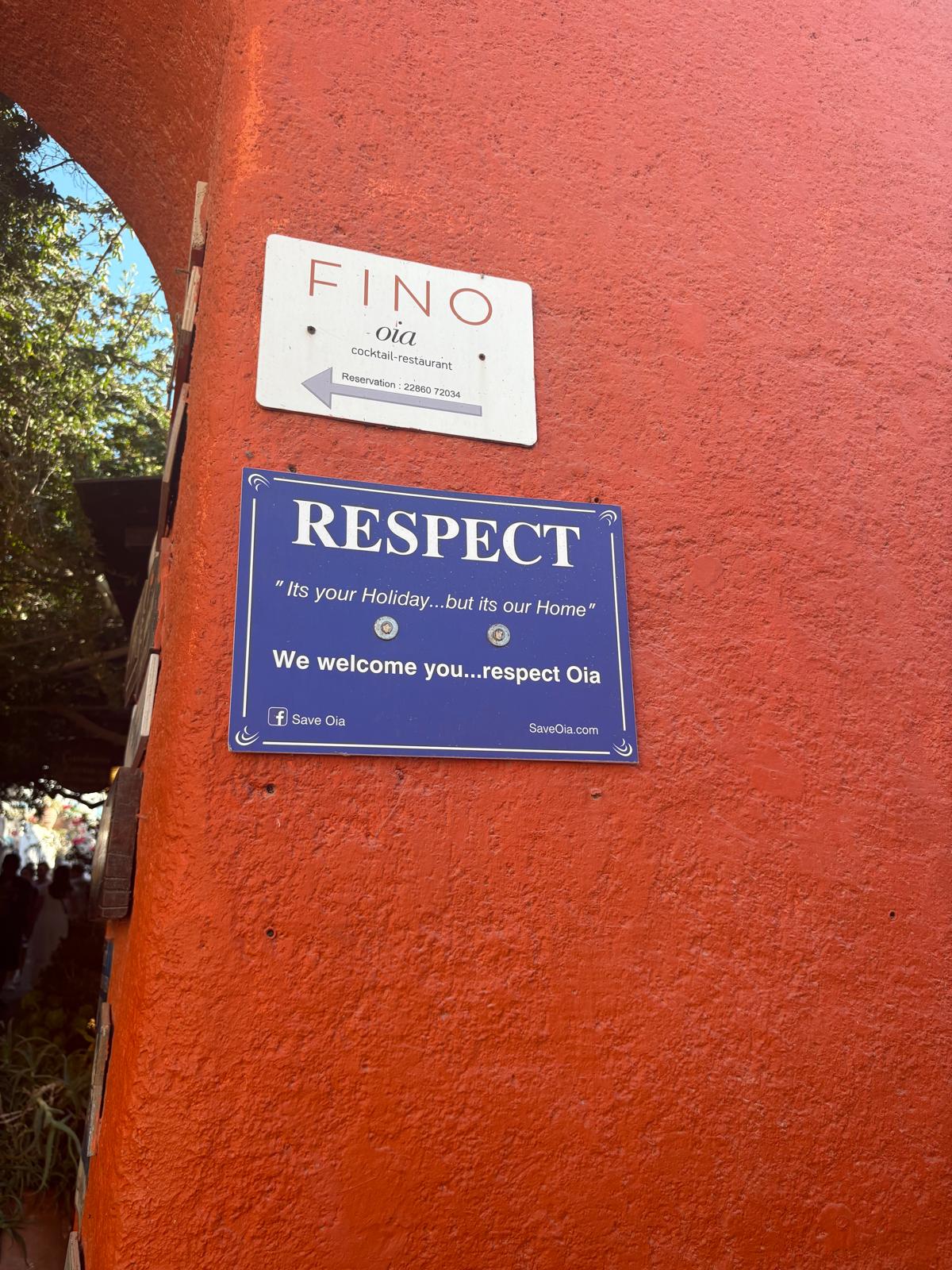 open image in galleryA sign up in Santorini asking visitors to respect Oia (Amelia Neath)
Read more: What it’s like visiting Santorini in the aftermath of the earthquakes
I was bewildered by the lack of crowds, but it does seem that tourist numbers are indeed easing. Speaking to staff at hotels in Santorini, I was told that capacity was only at 60 per cent – unusually quiet for mid-July, a peak summer tourism month on the island. They put this down to the rising cost of living around Europe, but also the affect of the earthquakes that hit Santorini earlier this year. In February, a series of earthquakes rocked the island, causing around 11,000 residents and holidaymakers to flee for the mainland, leaving shops and restaurants boarded up.
It seems that the seismic activity has been something of a deterrent to tourists. Santorini experienced an 11.6 per cent decline in arrivals by air this July compared to July 2024, dropping from 509,577 to 450, 584 – some 50,000 less travellers year-on-year, according to Santorini’s air traffic statistics.
Overall, the island has seen an 16.2 per cent decrease in visitors arriving by plane compared to last year, the statistics show as of October. The drop in visitors from the UK is significant – 2024 saw over 79,500 visitors from the UK, but July this year the island welcomed around 61,300 air arrivals.
While I wouldn’t want to see the island’s economy be hit by the dwindling numbers, my experience wandering through the twisting streets of Oia and looking over the caldera was far more enjoyable than it would have been battling through hundreds of other people. The trip gave me a glimpse into what these popular tourist spots could feel like if crowds and visitors were better regulated.
Recommended Eight quiet islands to visit away from crowded holiday hotspots
 Seven underrated Greek destinations to head to for October sunshine
 This Greek island retreat taught me how to holiday in style as a single parent
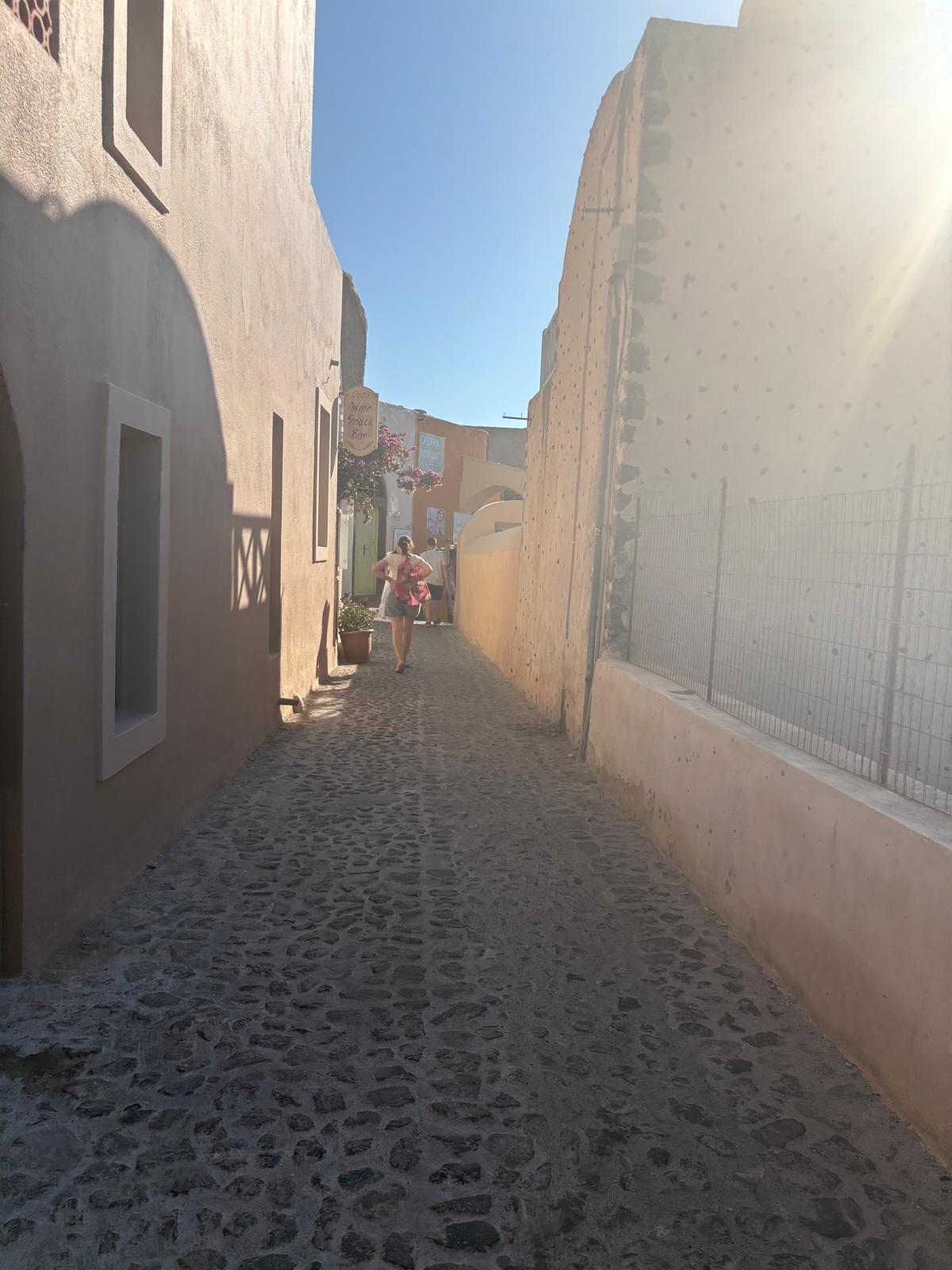 open image in galleryStreets were far less crowded than anticipated in Oia (Amelia Neath)
As I walked through Oia’s lattice of pedestrianised cobbled stone streets, I dived in and out of boutiques selling handmade jewellery, clothing and Santorini souvenirs, before taking a trip to a takeaway coffee bar for what felt like my 20th freddo cappuccino of the trip. The Mamma Mia soundtrack blasting in my AirPods and coffee in hand, I skipped down the deserted alleyways painted burnt amber and draped with bright pink Bougainvillaea flowers. I somehow managed to stumble into the social media version of Santorini that Eurosummer influencers promised. For me, Instagram did become reality.
Last year, Santorini residents, business owners and local politicians voiced their increasing concern about the levels of tourism, with some pushing for a cap on the number of cruise ship visitors.
“If all the tourists stop coming, then won’t these destinations lose a huge source of income for their economy?” is the cry I often hear when discussing overtourism.
Yet for many, the argument has never been to eradicate every single visitor, but to handle the tourism flow better.
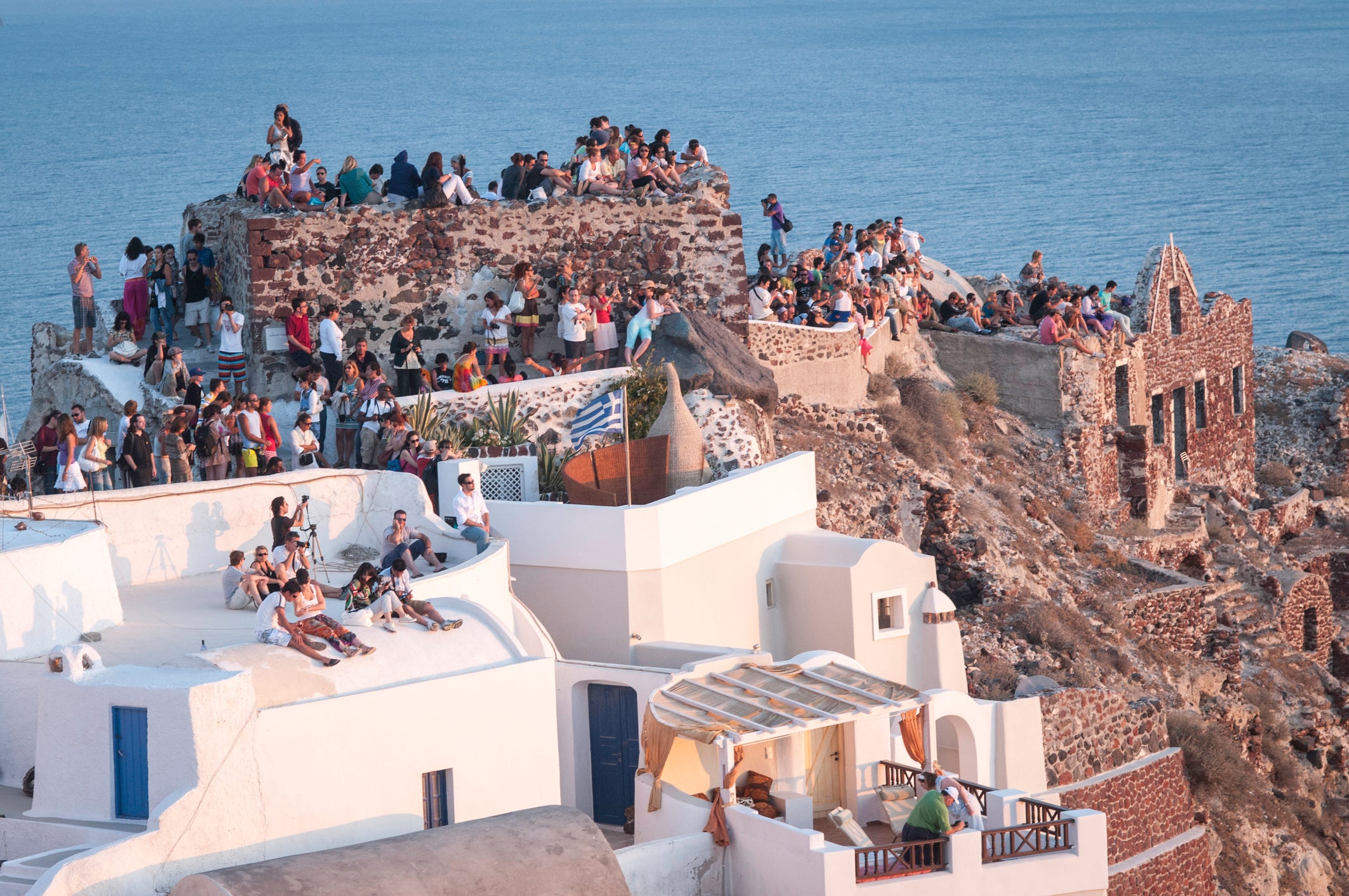 open image in galleryCrowds of people perched on the half-ruined castle and on the roofs of houses, waiting for the famous sunset in Oia (Getty Images/iStockphoto)
Tourist taxes have become a hot topic in many European towns and cities, with many destinations introducing levies on visitors to reinvest in infrastructure. Santorini itself introduced a new cruise passenger tax on 1 July, costing €20 (£17.18) per passenger in the peak months, in an effort to curb overtourism and protect struggling infrastructure.
Similar initiatives have been introduced in cities like Venice, which started charging day-tripping tourists €5 (£4.30) after the Italian destination was warned of irreversible damage caused by overwhelming crowds. In Spain, hotspots have introduced tourist taxes, including Barcelona. The city has also put a cap on the number of docking cruise ships and pledged to eradicate short-term rentals such as Airbnbs by the end of the decade to help control housing costs for locals.
While I hope that the earthquake activity does not have a long-term effect on tourism in Santorini, the drop in numbers allowed me to appreciate Oia in all its beauty. I always knew the island was remarkable, but I’m not sure I would have the same takeaway if I were in the middle of a pit of tourists.
If and when tourist numbers start to rise again, I can’t say I’d be keen to throw myself into the melee, but I hope that a balance is struck between serving tourists to allow for a better experience for them, while keeping the quality of life right for residents.
Read more: Why holidays to Greece may never be the same again
More about
overtourismearthquakesTouristsSantorini travelGreece travelJoin our commenting forum
Join thought-provoking conversations, follow other Independent readers and see their replies
Comments