- News
- Health
GLP-1 medication, such as Wegovy, was added to the list of ‘essential’ medicines by the World Health Organization in September
Rebecca WhittakerMonday 01 December 2025 21:22 GMTComments
 CloseGogglebox star hits out at 'jealous' trolls after 7st weight loss jabs transformation
Sign up for our free Health Check email to receive exclusive analysis on the week in health
Get our free Health Check email
Get our free Health Check email
Email*SIGN UPI would like to be emailed about offers, events and updates from The Independent. Read our Privacy notice
Fewer than one in ten people who could benefit from weight loss jabs can access them due to high costs and supply issues associated with the medication, the World Health Organisation (WHO) has warned.
There are more than a billion people worldwide living with obesity and WHO has called for fairer access to GLP-1 medication such as Wegovy, in its first guidance on the drugs.
If action is not taken, the number of people with obesity is projected to double by 2030, the body stressed.
In September 2025, GLP-1 agonists - a type of medication that helps lower blood sugar levels, slows the digestion of food and can reduce appetite - was added to the list of “essential” medicines for managing type 2 diabetes in high-risk groups.
But new guidelines also suggest these drugs should be used long-term to support people living with obesity in addition to healthy diet and regular exercise.
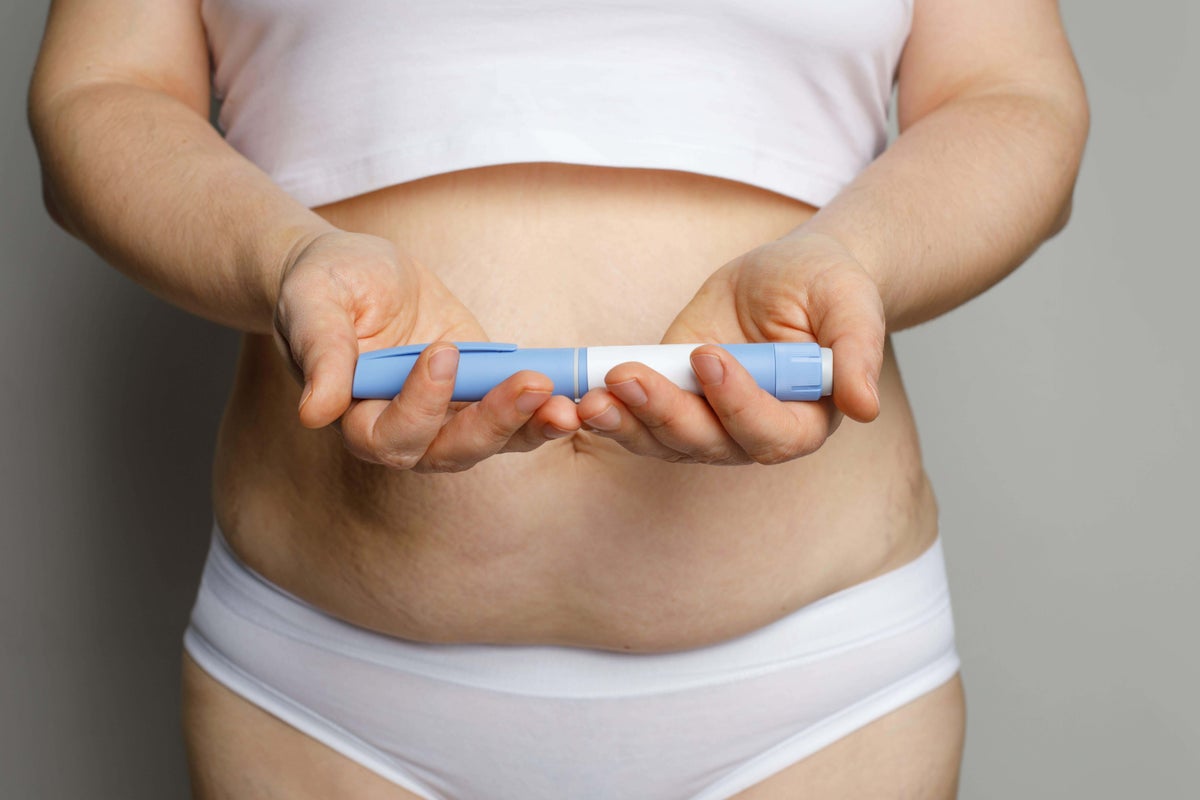
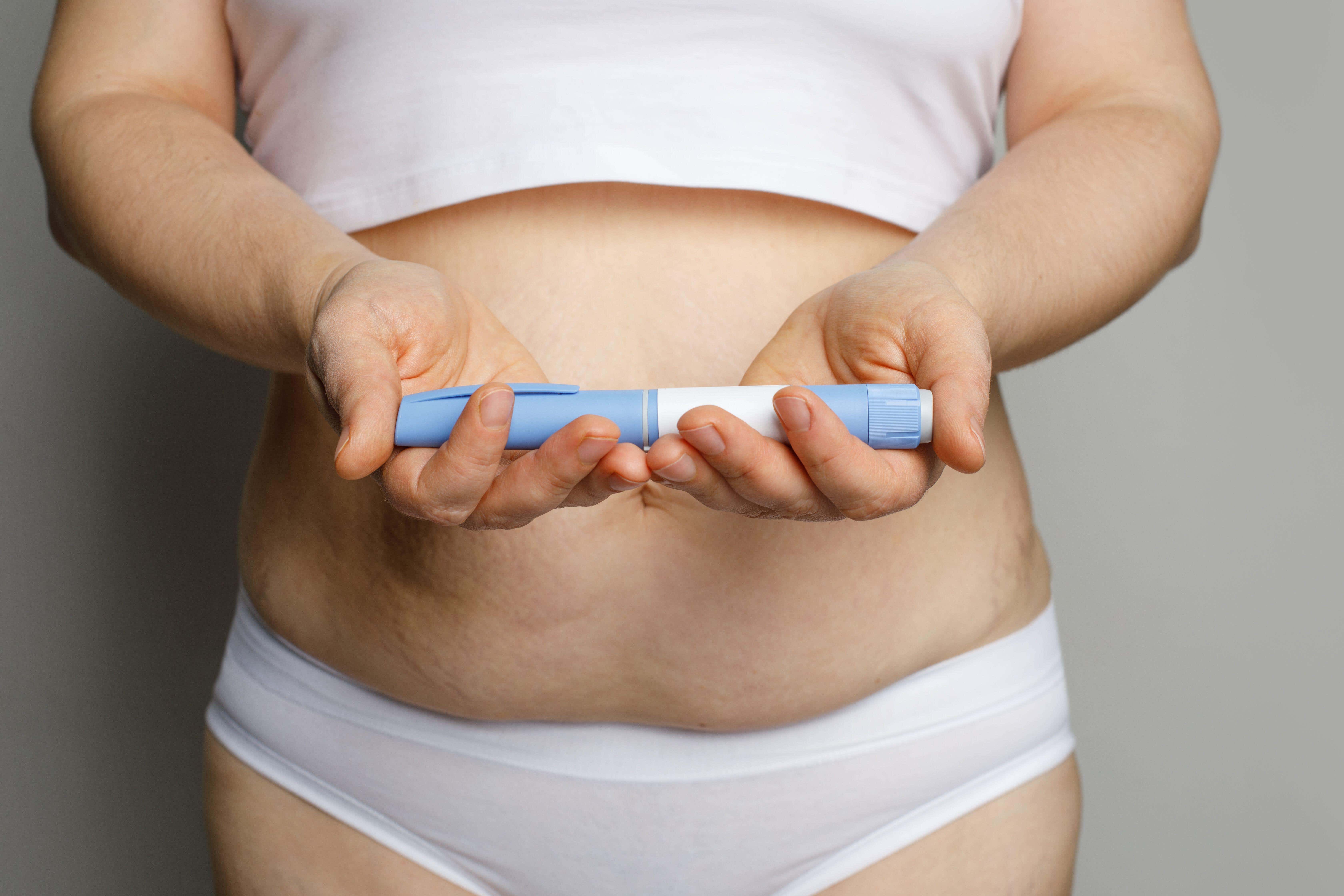 WHO issues global guidelines on the use of GLP-1 medicines to treat obesity (Alamy/PA)
“Obesity is a major global health challenge that WHO is committed to addressing by supporting countries and people worldwide to control it, effectively and equitably,” said Dr Tedros Adhanom Ghebreyesus, WHO director general.
“Our new guidance recognises that obesity is a chronic disease that can be treated with comprehensive and lifelong care.”
“While medication alone won’t solve this global health crisis, GLP-1 therapies can help millions overcome obesity and reduce its associated harms,” he added.
Obesity is a complex, chronic disease and a major driver of cardiovascular diseases, type 2 diabetes and some types of cancer. It also contributes to poorer outcomes of patients who have infectious diseases.
Beyond its health impacts, the global economic cost of obesity is predicted to reach US$ 3 trillion annually by 2030.
The guideline can help efforts to reduce skyrocketing health costs associated with managing the condition and associated health complications.
High costs, manufacturing and supply-chain constraints are universal barriers that are preventing people from accessing the weight loss drugs, according to WHO.
In the UK, the price of drug Mounjaro increased by 170 per cent to bring it in line with higher prices in other countries.
Even with rapid expansion in production, GLP-1 drugs are projected to reach fewer than 10 per cent of those who need them by 2030.
The guideline calls on countries and companies to help expand access to the weight loss jabs through strategies such as tiered pricing and voluntary licensing - where a pharmaceutical company grants permission for others to make affordable non-brand versions of its patented drug.
The global demand for GLP-1 drugs has fulled the spread of fake and substandard products being sold, which threatens patient safety, WHO also warned. It stressed regulated distribution, prescription by a qualified health care providers, patient education will help protect patient health.
More about
World Health OrganizationObesityguidanceWegovyJoin our commenting forum
Join thought-provoking conversations, follow other Independent readers and see their replies
Comments