- Home improvement
Security cameras can protect your home - but here’s where you should not be installing them.
Alistair CharltonMonday 01 December 2025 17:00 GMTComments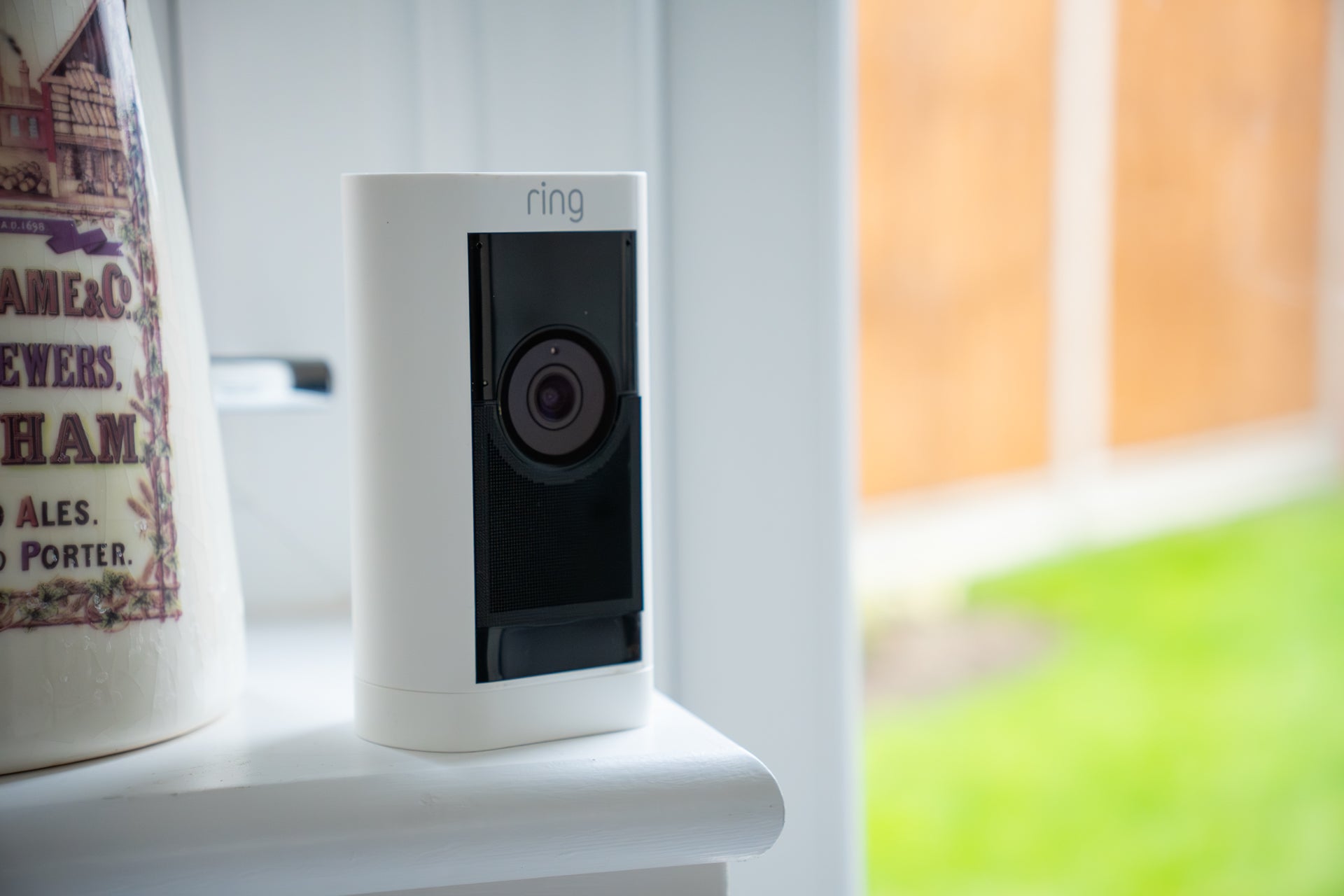 open image in galleryYou should think carefully about where home security cameras are installed, even indoors. (The Independent / Alistair Charlton)
For free real time breaking news alerts sent straight to your inbox sign up to our breaking news emails
Sign up to our free breaking news emails
Sign up to our free breaking news emails
Email*SIGN UPI would like to be emailed about offers, events and updates from The Independent. Read our Privacy notice
Installing a security camera is a great way to help protect your home. Many are wireless, battery-powered and weatherproof, and can be installed with just a couple of screws, making them convenient for almost any location.
But, while this flexibility is great for installing cameras exactly where you need them, there are locations to be avoided. Obviously, security cameras should not be installed in bathrooms and bedrooms, and nor should they be installed without consent in communal areas of a shared property.
You should also think carefully about where to install security cameras outside your home. Views of your garden and driveway can be helpful – a visible camera can deter trespassers and car thieves – but you should be mindful of what else it might record.
Much of this is common sense, and many security cameras also offer features for partially obscuring their view. Many also let you configure detection zones, so they’ll only start recording when motion is detected in a specific area.
The worst places to install a home security camera
1. Anywhere beyond your property
Naturally, you should not install a security camera with the purpose of viewing someone else’s property. This is easy if you have a larger home or are located well away from any neighbours. But in all other cases, you should position cameras so that they can’t see into spaces belonging to other people.
They shouldn’t peer into neighbours’ gardens and nor should they have a clear view into the windows and open doors of properties close to yours.
To achieve this, position the camera to focus only on your property and land. If a view of the house opposite can’t be avoided – such as with a video doorbell on your front door, or a security camera overlooking a shared parking area – use the camera’s smartphone app to create privacy zones. These are usually adjustable black boxes that completely obscure part of the camera’s view, and can be placed over neighbouring properties or anything else that might be considered sensitive.
For example, I have a privacy zone that prevents my video doorbell from seeing the house opposite.
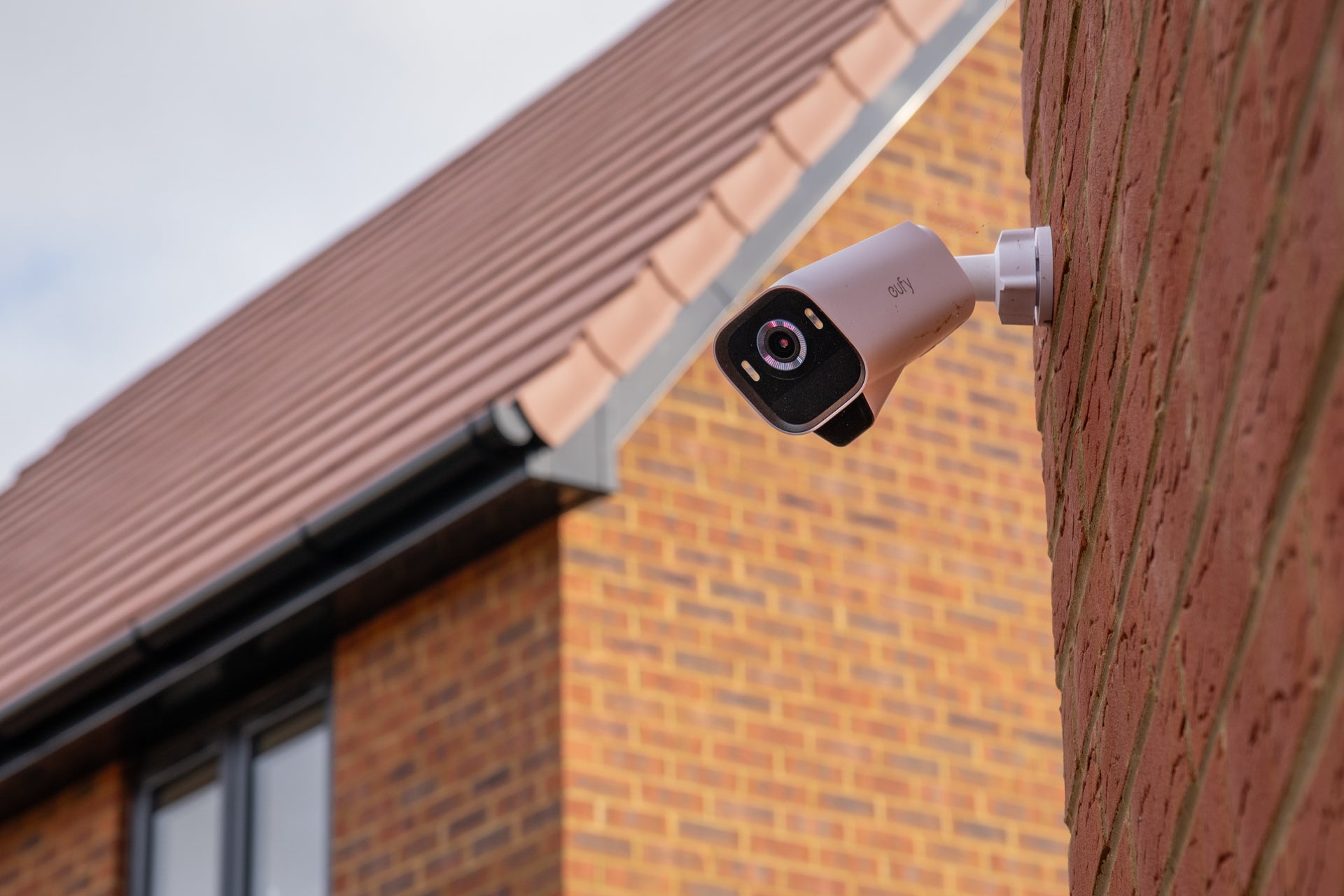 open image in galleryHome security cameras should not record beyond your property (The Independent / Alistair Charlton)
2. Bathrooms and toilets
This one almost goes without saying. Indoor security cameras can be useful when pointed at an outside door, or set up to record a tightly cropped view of a safe or other valuable possessions. But they should not be installed in bathrooms, or anywhere that could provide a view into a bathroom, either through a nearby window or doorway.
3. Bedrooms
You should avoid installing a security camera in any bedroom. This doesn’t necessarily include your young child’s bedroom, since baby monitors use a camera and microphone to serve an obvious purpose.
There’s no UK law to prevent parents from monitoring their children with a security camera, since your own child in your own home is not considered a third party, therefore data protection rules and GDPR do not apply.
4. Shared indoor areas
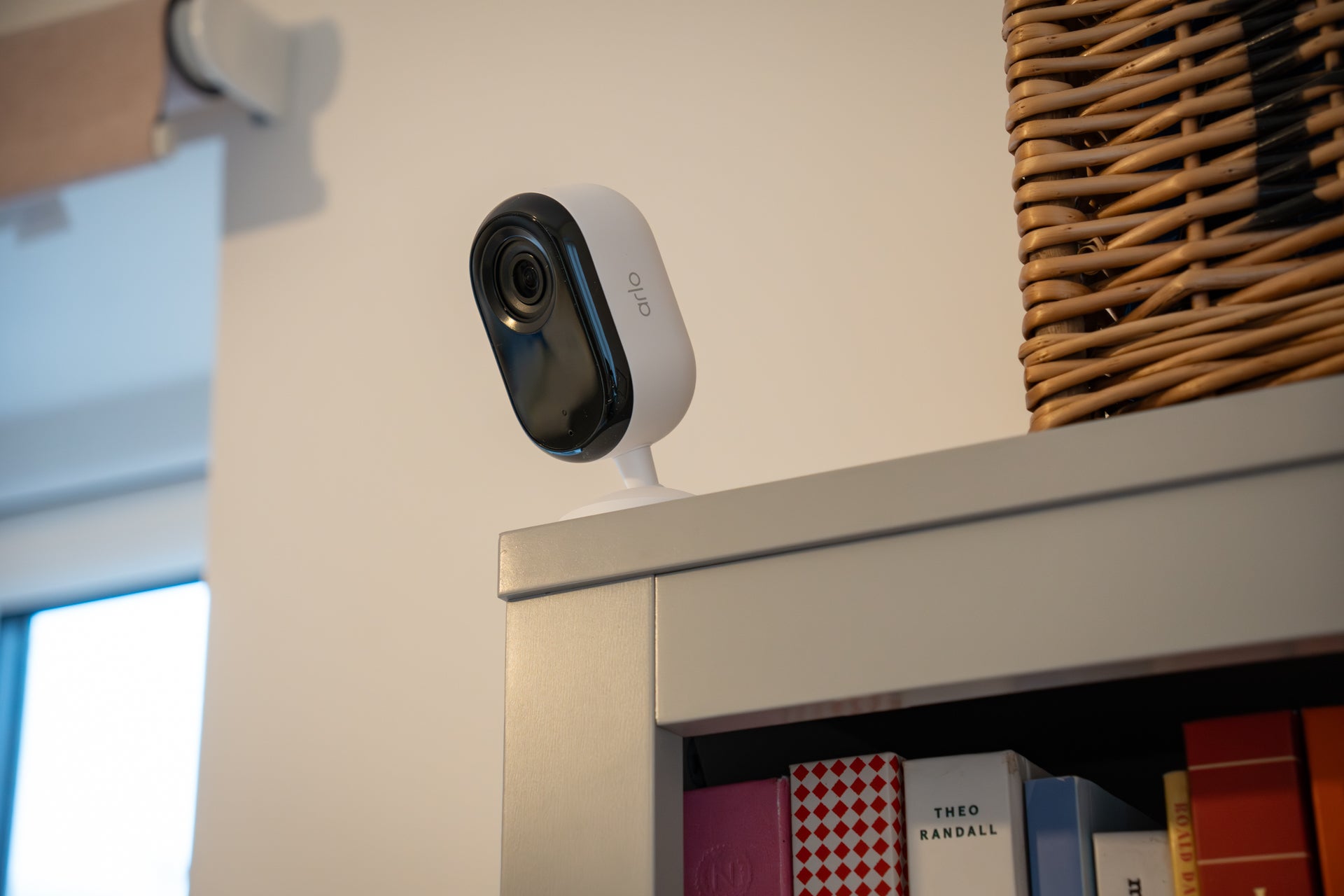 open image in galleryCameras can be installed in house-shares, but only with the consent of everyone who lives there. (The Independent / Alistair Charlton)
Indoor security cameras are often installed in communal areas, such as hallways. This is fine in your own home, but if you live in a house-share, you’ll need consent from all other tenants first. The owner of the camera is responsible for how it is used and also how recorded footage is stored and deleted.
If you want to install a camera in the communal space of a house-share, focused on the front door – or perhaps to monitor bicycles or other possessions stored in a hallway – that’s a legitimate use case. Just make sure everyone knows about it, and footage is deleted when no longer needed.
5. Within easy reach
Outdoor security cameras are typically mounted to flat surfaces with a couple of screws. They aren’t locked into place, so someone with a screwdriver and basic knowledge of the camera’s design could remove it.
This is less of a concern with cameras that record footage to the cloud or to a base station inside your home, since footage of the theft would be recorded. But for cameras that record locally to an integrated storage device, theft would remove crucial evidence of the crime.
You should therefore install outdoor cameras high up and out of reach. Often, the best location is close to an upstairs window, since it can’t be reached from the ground, but you can still remove the battery for charging every few months.
6. Close to a window ledge
Mounting a camera close to an upstairs window makes charging the battery easy. But be careful not to install it with a view of a nearby window ledge. That’s because anything close to the camera (like the corner of the ledge it’s sitting on) can stop infrared night vision from working properly. You’ll end up with footage dominated by a bright white ledge and not much else, because the infrared light bounces straight off the nearby object and over-exposes the rest of the camera’s view. To avoid this, make sure the camera is positioned to provide a clear and unobstructed view of whatever you want recorded.
Remember to use the camera’s privacy features
As I mentioned earlier, most home security cameras have ways of restricting what they can see and when they start recording. These features can help boost their compliance with privacy rules and best practices.
Privacy zones can be used to obscure sensitive parts of the camera’s view with a black box, while detection zones can prevent the camera from recording when motion is detected outside of the intended target. When set up correctly, this means a camera focused on your driveway will only record when movement is detected in and around your parking spaces, while ignoring the comings and goings of your neighbours and their vehicles.
Scheduling your security cameras is also a good idea. This can be used to prevent them from recording during the day (saving both storage space and battery life), and only capture footage when triggered at night or while you’re away from home. Scheduling is also useful when using security cameras as part of a larger home security and alarm system.
When should you use signs and window stickers?
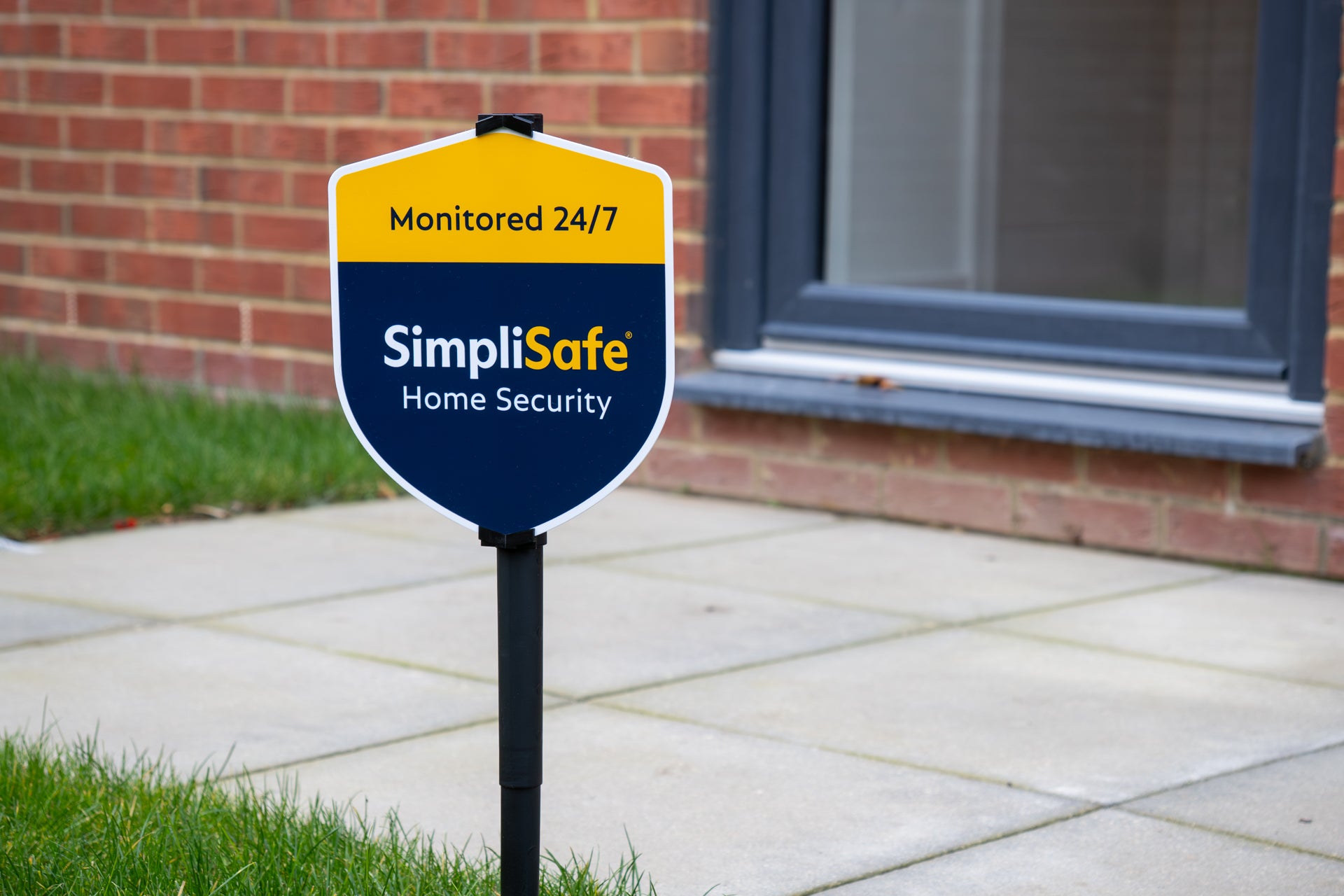 open image in gallerySigns should be displayed if your cameras have a view beyond your property (The Independent / Alistair Charlton)
Ideally, if your security camera records anything that isn’t your own property, then a sign should be visible to inform passers-by. Many security cameras and alarm systems come with window stickers in the box, and some also come with larger signs designed to stand in your garden.
As well as neighbouring property, signs and/or window stickers should be displayed when a security camera can see public spaces, like nearby roads and pavements. It’s best to block these with the privacy zone tools mentioned earlier, but adding a sticker to a window at the front of your home, or near where you’ve installed the camera, is good practice. These can also help act as a deterrent when displayed prominently.
More about
Home securityhome improvementssecurity cameraHome security systemJoin our commenting forum
Join thought-provoking conversations, follow other Independent readers and see their replies
Comments