- News
- Health
Soybean oil is commonly found in processed foods and has been linked to obesity
Nicole Wootton-CaneMonday 01 December 2025 12:52 GMTComments
 CloseCan a daily shot of olive oil really improve your gut health?
Sign up for our free Health Check email to receive exclusive analysis on the week in health
Get our free Health Check email
Get our free Health Check email
Email*SIGN UPI would like to be emailed about offers, events and updates from The Independent. Read our Privacy notice
One of the most common vegetable oils found in processed foods could be contributing to weight gain due to the way it is processed in the body, a new study has suggested.
While not usually used as a base in cooking, soybean oil is often found in processed foods such as salad dressings, margarine, and crisps. Previous research has linked soybean oil to weight gain, but it has not been clear why it makes some people pile on the pounds.
New research, from scientists at the University of California in Riverside, found it may not be the oil itself but rather the way it is processed inside the body that leads to weight gain when eaten in excess.
“Soybean oil isn’t inherently evil,” Frances Sladek, professor of cell biology at the university, said. “But the quantities in which we consume it is triggering pathways our bodies didn’t evolve to handle.”
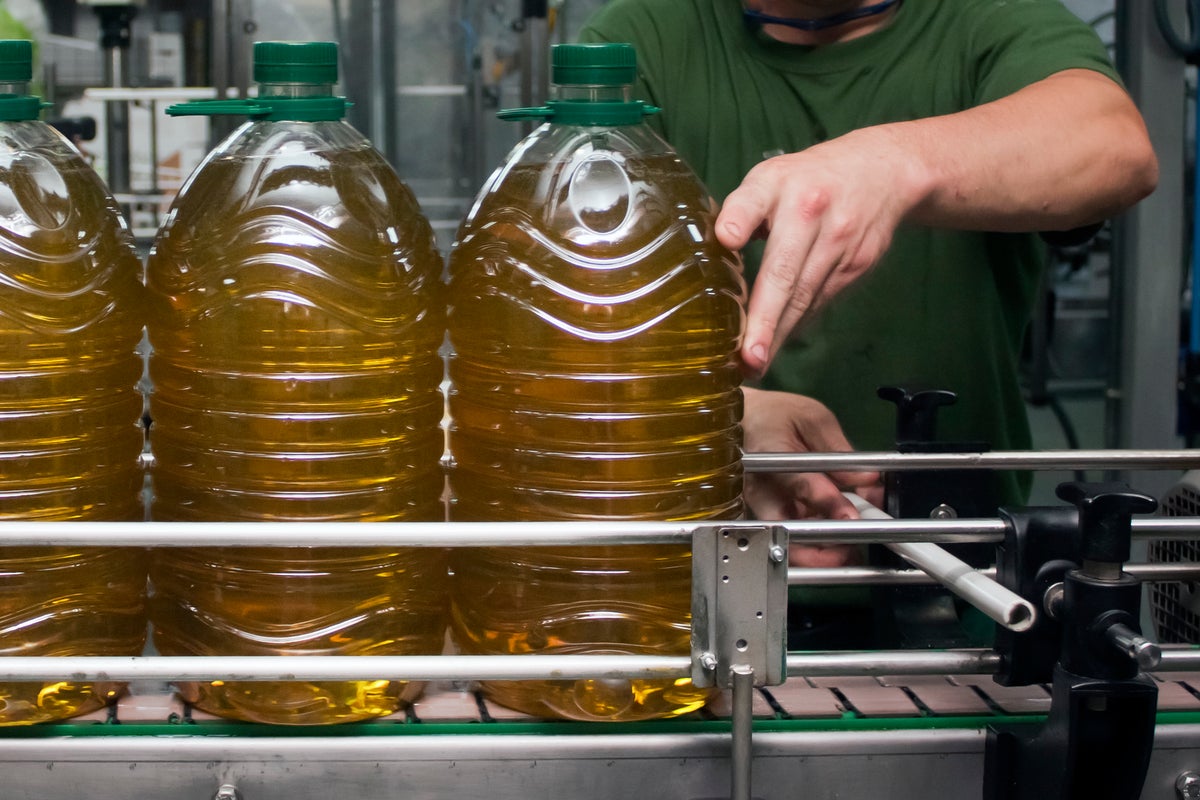
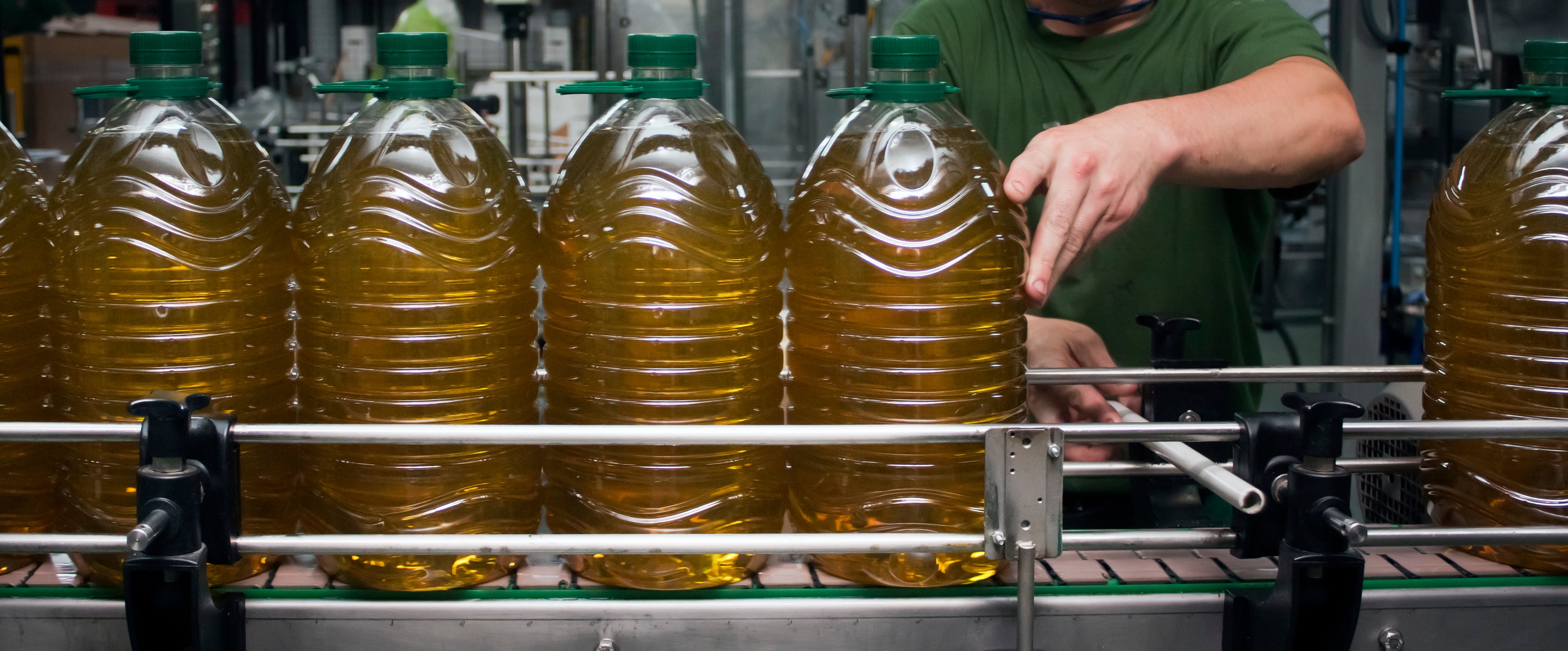 Research suggests the way the body processes soybean oil can lead to obesity (Getty Images/iStockphoto)
Researchers fed two groups of mice a diet rich in soybean oil in a bid to understand why it is more likely to promote obesity than other oils. The first group had no genetic modifications, whereas the second group produced a slightly different form of a liver protein that influences how the body metabolises fat.
They found the first group gained significant weight, but the second group did not, suggesting genetics and modern diets play a key role in obesity.
“This may be the first step toward understanding why some people gain weight more easily than others on a diet high in soybean oil,” said Sonia Deol, a biomedical scientist at the university and corresponding author of the study.
The study builds on earlier work by the researchers linking soybean oil to weight gain. “We’ve known since our 2015 study that soybean oil is more obesogenic than coconut oil,” said Prof Sladek. “But now we have the clearest evidence yet that it’s not the oil itself, or even linoleic acid. It’s what the fat turns into inside the body.”
Linoleic acid is a key fatty acid in soybean oil, which the body converts into molecules called oxylipins. Excessive consumption of linoleic acid can lead to increased amounts of oxylipins, which are associated with inflammation and fat accumulation.
The genetically engineered mice in the study had significantly fewer oxylipins and showed healthier livers despite eating the same high-fat soybean oil diet as regular mice. They also showed signs of enhanced mitochondrial function, which may help explain their resistance to weight gain.
Analysis also showed the genetically modified mice had much lower levels of two key enzyme families responsible for converting linoleic acid into oxylipins.
Although no human trials are planned, the team hopes these findings will help guide future research and inform nutrition policy.
“It took 100 years from the first observed link between chewing tobacco and cancer to get warning labels on cigarettes,” Prof Sladek said. “We hope it won’t take that long for society to recognise the link between excessive soybean oil consumption and negative health effects.”
More about
Oilweight gainStudyJoin our commenting forum
Join thought-provoking conversations, follow other Independent readers and see their replies
Comments