By Giulia CarbonaroShareNewsweek is a Trust Project member
After years of widespread rapid price appreciation, the U.S. housing market is about to enter a “new era” in 2026, according to real estate analyst Nick Gerli—one marked by a stark regional divide.
“Rust belt cities like Cleveland, Hartford, Albany and Chicago are all still appreciating and have tight inventory. Meanwhile, Sun Belt cities across Florida, Texas, and Arizona are now in decline, with decade-highs in inventory,” Gerli, CEO and founder of real estate analytics platform Reventure App, wrote in a post on X on Sunday.
The Pandemic’s Upside Down
What Gerli is describing is a sharp downturn for markets in the Sun Belt, which exploded during the pandemic. States like Florida and Texas, which have seen the biggest price correction over the past couple of years, experienced a massive surge in demand between 2020 and 2022, when the rise of remote work allowed people from other states to relocate there.
A mass of newcomers reached the two states then, seeking more affordable housing, good weather, lower taxes, and a relatively cheaper cost of living compared to places like California and New York. This spike in demand brought the values of homes in the region up, often pricing out locals, and developers responded with a construction boom.
But in the time these new homes were being built, everything changed. Return-to-office orders after the end of the health emergency put a damper on domestic migration, forcing many who had already moved to return to the state they had left behind. Housing costs and mortgage rates reached such heights that many could just not afford buying a home.
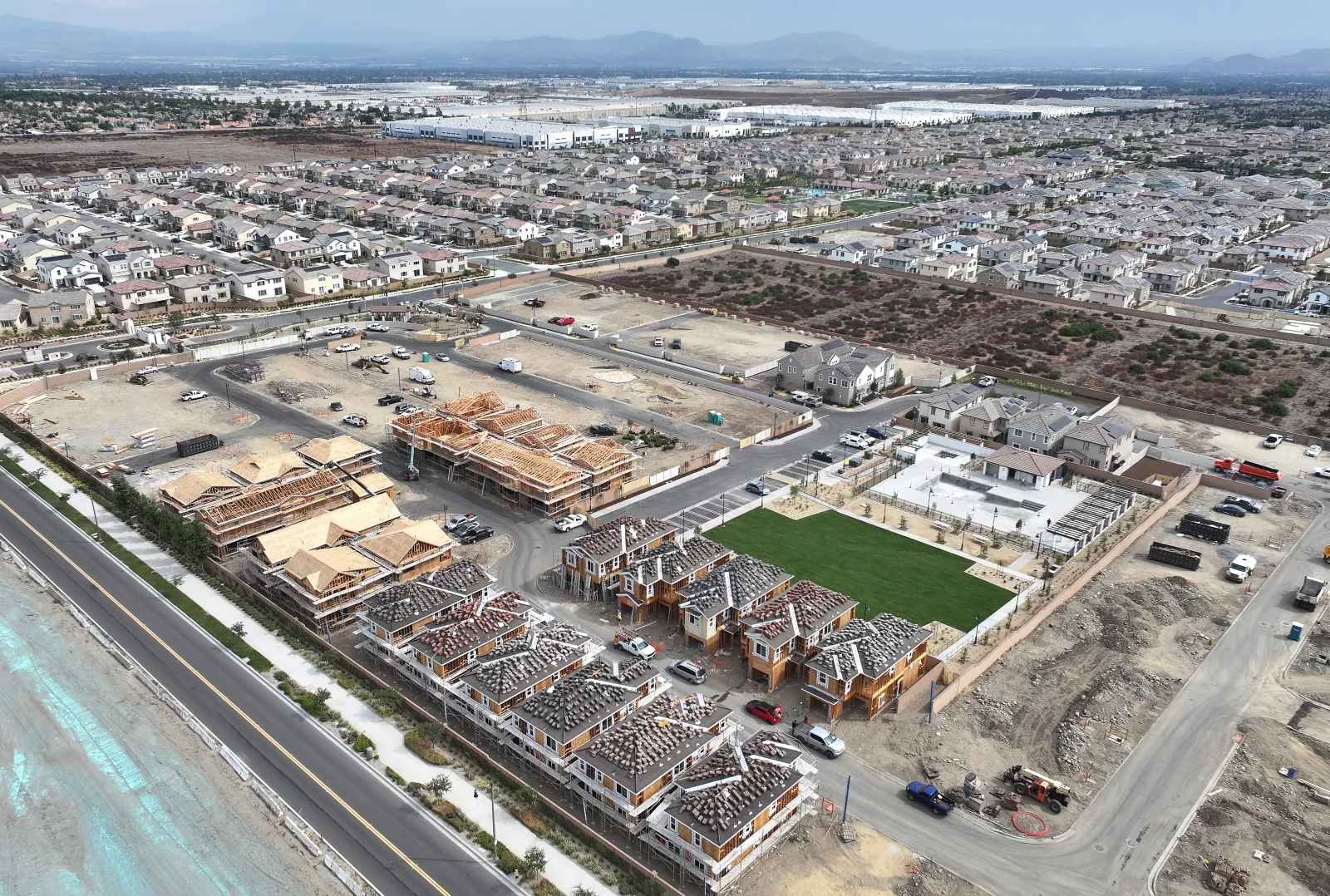 ...
...As a result, inventory started piling up in many Sun Belt markets—including in some of the hottest pandemic boomtowns, such as Austin and Nashville—and buyers started acquiring more negotiating power with sellers.
In states like Florida and Texas, which built the most homes in the nation over the past few years, prices are now falling while the national average is still rising. The median sale price of a home in October was $408,400 in Florida, down 0.39 percent from a year earlier, according to Redfin. In Texas, it was $341,800, down 0.81 percent from October 2024.
In the same month, the median sale price of a typical U.S. home was $439,869, up 1.3 percent from a year earlier. While the vertiginous rise of home prices in the country has slowed down nationwide, it is still being propped up by markets in the Northeast where inventory remains tight, as Gerli said.
Sun Belt vs. Rust Belt—How 2026 Might Look Like
Before the pandemic homebuying frenzy, Sun Belt markets “were legitimately cheap and affordable,” Gerli said. But that is no longer the case—which is the main reason why demand is not as high as it used to be a few years ago.
“As of October 2019, states like Tennessee had a Mortgage Cost/Income Ratio below 25 percent (along with Texas, North Carolina, Georgia, and even Florida was near true affordability as well),” the real estate analyst wrote, referring to the relationship between the amount of a mortgage and a borrower’s income.
Some analysts believe that housing costs—including mortgage payments—should not exceed 28 percent of gross monthly income, and total debt should not exceed 36 percent.
“However, today, most of these states are in a Mortgage Cost/Income range of over 35 percent,” Gerli wrote. “This is leading to reduced demand to buy, and excess inventory on the market, explaining the price declines now taking place.”
The Rust Belt, meanwhile, has remained relatively more affordable—propping up sales.
“Cost to buy has also gone up in the Rust Belt, as states like Ohio, Illinois, and Michigan have gone from 20 percent Mortgage Cost ratios to 30 percent,” he said.
“While these markets are more expensive than they used to be, they're still in a range for locals [who] can at least qualify for mortgages. This is leading to more sustainable demand and continued increases in prices, even amid a nationwide home sales recession.”
According to Gerli, the bifurcation of the U.S. housing market that has started to take shape this year will solidify in 2026 and possibly continue for years to come.
“This trend will likely persist for the next several years as the Northeast/Midwest gains people from ‘reverse pandemic migration’, and as the affordability situation there is better than in the South for local buyers,” he wrote on X.
“Builders and investors would be wise to follow this trend, as it could persist for several years into the future,” he added.
What Does This Mean for Homebuyers?
Gerli’s prediction for 2026—and a few years still to come—might not be exactly what every U.S. homebuyer is hoping for.
Those in the Rust Belt will not benefit from the same price declines that the real estate analyst expects in the Sun Belt, as tight inventory will keep prices up.
On the other hand, while some buyers in the Sun Belt may be lured back into the market by more opportunities and cheaper deals, homeowners in the same region waiting to sell their current properties before buying a new one might not be happy seeing their equity quickly eroding.
Request Reprint & LicensingSubmit CorrectionView Editorial & AI Guidelines Add Newsweek as a preferred source on Google to see more of our trusted coverage when you search.
Recommended For You
 NewsWho Is Alexis Lewis? Cory Booker Marries After Whirlwind Engagement3 min read
 NewsHouse, Senate Exodus Ahead of 2026 Midterms Outpaces Recent Election Cycles6 min read
 News5 Polls That Spell Trouble for Donald Trump and the Republicans4 min read
 NewsFDA Ties 10 Child Deaths to COVID Vaccine: Report4 min read
 NewsDelta Air Lines Plane Slides Off Runway During Winter Storm1 min read
 NewsWinter Storm Warning as 8 Inches of Snow to Hit North and Midwest3 min read
Related Podcasts
Top Stories
 NewsTrump Says He Spoke to Venezuela’s Maduro Amid Tensions3 min read
 NewsManhunt Underway After 3 Children Killed at California Birthday Party4 min read
 NewsPete Hegseth Trolls Critics Over Boat Strikes2 min read
 WorldHonduras Election Results: Trump-Backed Nasry Asfura Takes the Lead3 min read
 NewsWinter Storm Warning As 12 Inches of Snow To Hit3 min read
 NewsTrump Administration Launches ‘Media Offender of the Week’ Tracker4 min read
Trending
NWSWinter Storm Warning as 8 Inches of Snow to Hit North and Midwest3 min read Donald TrumpMap Shows Donald Trump’s Approval Rating in Each State After 10 Months4 min read
 WeatherWinter Storm Warning As 13 Inches of Snow To Strike: ‘Extreme Caution’3 min read
 FloridaAmazon Driver Sees Food Left for Stray Cats—Ring Cam Captures What He Does3 min readDelta AirlineDelta Air Lines Plane Slides Off Runway During Winter Storm1 min read
Opinion
 OpinionRedefining Professional Degrees Will Hurt Everyday Americans | Opinion5 min read
 OpinionAI Is Coming for Our Most Intimate Communications. Congress Must Act | Opinion5 min read
 OpinionConventional Wisdom: The Thanksgiving Tragedies Edition3 min read
 OpinionConventional Wisdom: The Anti-Thanksgiving Edition3 min read
 OpinionHow to Remain Grounded and Thankful Amid the Chaos5 min read