The Independent's journalism is supported by our readers. When you purchase through links on our site, we may earn commission.
- Lifestyle
Experts offer tips on how to prolong the flowering time of your indoor bulbs.
Hannah StephensonMonday 01 December 2025 08:00 GMT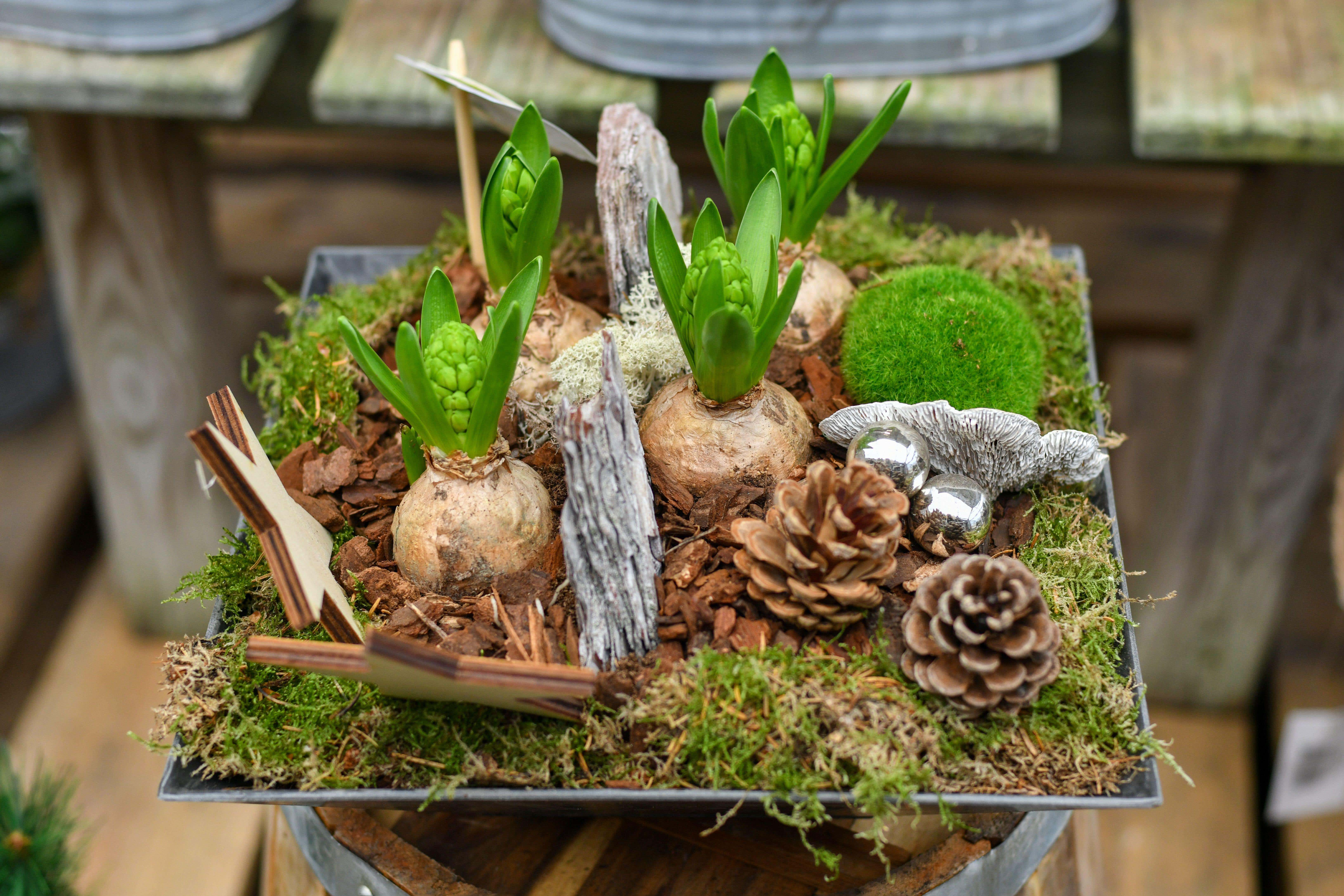 open image in gallery(Alamy/PA)
Stay ahead of the curve with our weekly guide to the latest trends, fashion, relationships and more
Stay ahead of the curve with our weekly guide to the latest trends, fashion, relationships and more
Stay ahead of the curve with our weekly guide to the latest trends, fashion, relationships and more
Email*SIGN UPI would like to be emailed about offers, events and updates from The Independent. Read our Privacy notice
Christmas-flowering bulbs add much-needed colour and scent to any festive display, whether you’re after delicate-looking blooms or blousy showstoppers.
But if you are considering buying bulbs to add to your yuletide decor, think carefully about when you buy them and where you put them.
Check bulbs before buying
If you are buying prepared bulbs (which have been forced to bloom early) such as paperwhite daffodils and hyacinths at garden centres and supermarkets for Christmas flowers, bulbs which are already in pots should feel hard to the touch, says Alex Swyer, plant centre manager at RHS Garden Wisley.
Hold them back
“If you’ve bought them early, you can hold back Christmas-flowering bulbs by putting them outdoors under cover, say under an open porch, as long as they are protected from any frost,” says Swyer.
“If you buy a paperwhite (narcissus), for instance, that has buds, if you want to delay flowering, put it outside where it’s cooler, then bring it in closer to Christmas Day.”
Hyacinths may need staking if the flowers look like they are going to topple over, and turned every few days if they are on a windowsill to even up the growth of each bulb, he adds.
Avoid direct heat
“It’s the warm which can draw them up and make them fall quicker,” he advises. Avoid placing bulbs in pots next to radiators or near an open fire or other heat source if you want them to last the festive season.
Make sure the compost is free-draining
If you are transferring a bulb from a pot to a mixed display or a different container, ideally plant them in bulb fibre, which is free draining, or incorporate dry matter such as bark chips into your regular compost, he suggests.
You will only need to water your bulbs sparingly, he adds, maybe once a week, unless they are in a hot room, when they may need a little more water.
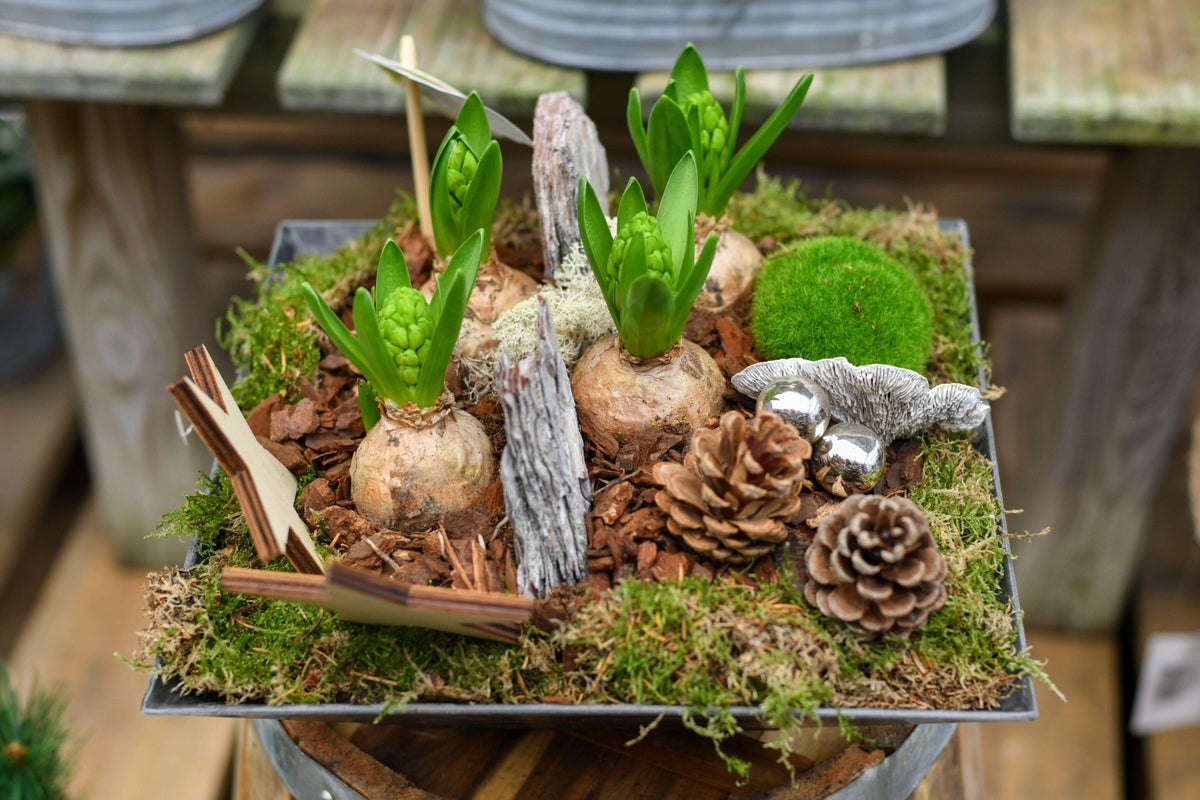
“If you are transplanting the bulb to another container, bury it by no more than half the bulb’s height. They can sit quite proud on the soil. If you think that looks a bit unsightly you can always get some other materials such as moss, plus decorations, to hide the bulbs on the soil.
“Or you can even sit bulbs like paperwhites and hyacinths in a glass bowl with no potting medium at all.”
Emma Fell, head of horticulture at Hillier Garden Centres, offers advice on these festive favourites:
Paperwhite daffodils
“Paperwhite daffodils are ideal for festive indoor cheer – they’re easy to grow, bloom quickly (often in as little as four weeks) and fill your home with their sweet fragrance.”
Instead of using a free draining compost, you could grow them on pebbles, she suggests.
“For the pebble method, place bulbs on top of the stones in a shallow container and keep the water level just touching the bulbs’ base. Bright, indirect light is perfect, and a cool room will help the blooms last longer,” she advises.
“Each flower typically lasts around three weeks, and a small tie can help support the taller stems. Paperwhites are best enjoyed indoors, as they don’t thrive outdoors after flowering.”
They have a rich scent and also look good planted with other houseplants such as indoor ferns and small flowering hellebores such as ‘Verboom Beauty’, which will need planting outside after Christmas as they will only survive outdoors long-term, Swyer adds.
He says you can plant paperwhites out after flowering, but not over winter. Let the leaves die off and then store them somewhere cool, dry and dark until the summer, when you could replant them outside.
Hyacinths
While beautifully fragrant hyacinths aren’t naturally winter flowering, forced bulbs are specifically grown to bloom around Christmas, making them a popular choice for festive displays and gifts, says Fell.
“Plant them in a well-draining compost in a cool, bright spot to encourage sturdy stems, keeping the soil lightly moist – too much water can rot the bulbs. Once shoots appear, give them bright, indirect light and rotate the pot occasionally so the flowers grow straight.
“After flowering, let the foliage die back naturally – the bulbs can then be planted outdoors, where they’ll usually return the following spring with a slightly more relaxed, natural look.”
“If you buy a hyacinth when the leaves are fully up, you’ll have less time with that bulb than you do with one that has a shorter growth from the top of the bulb,” Swyer continues.
“If it’s quite warm inside that will force it as well. So if you don’t want them flowering quickly, put them in a cooler area.
“Once they start flowering they will last up to around two weeks.”
If you want to replant them outside, cut the dead flower spike off, let the leaves die back and store them somewhere cool and dry, before replanting them under the soil outside in the spring.
Hippeastrums (Amaryllis)
“Amaryllis are the ultimate showstoppers for Christmas, with their large, trumpet-shaped flowers in red, white and pink that instantly lift the festive spirit,” says Fell.
If you are gifted one, pop it in a bright, sunny window and in about six weeks you can expect stunning blooms, she suggests.
“Water sparingly until the flower stem appears, then increase watering as the bud develops. Tall stems may need gentle support, and after flowering, keep the leaves growing through spring and summer to help the bulb recharge for next year. These bulbs won’t survive frost, so they’re best enjoyed as long-term indoor plants.”